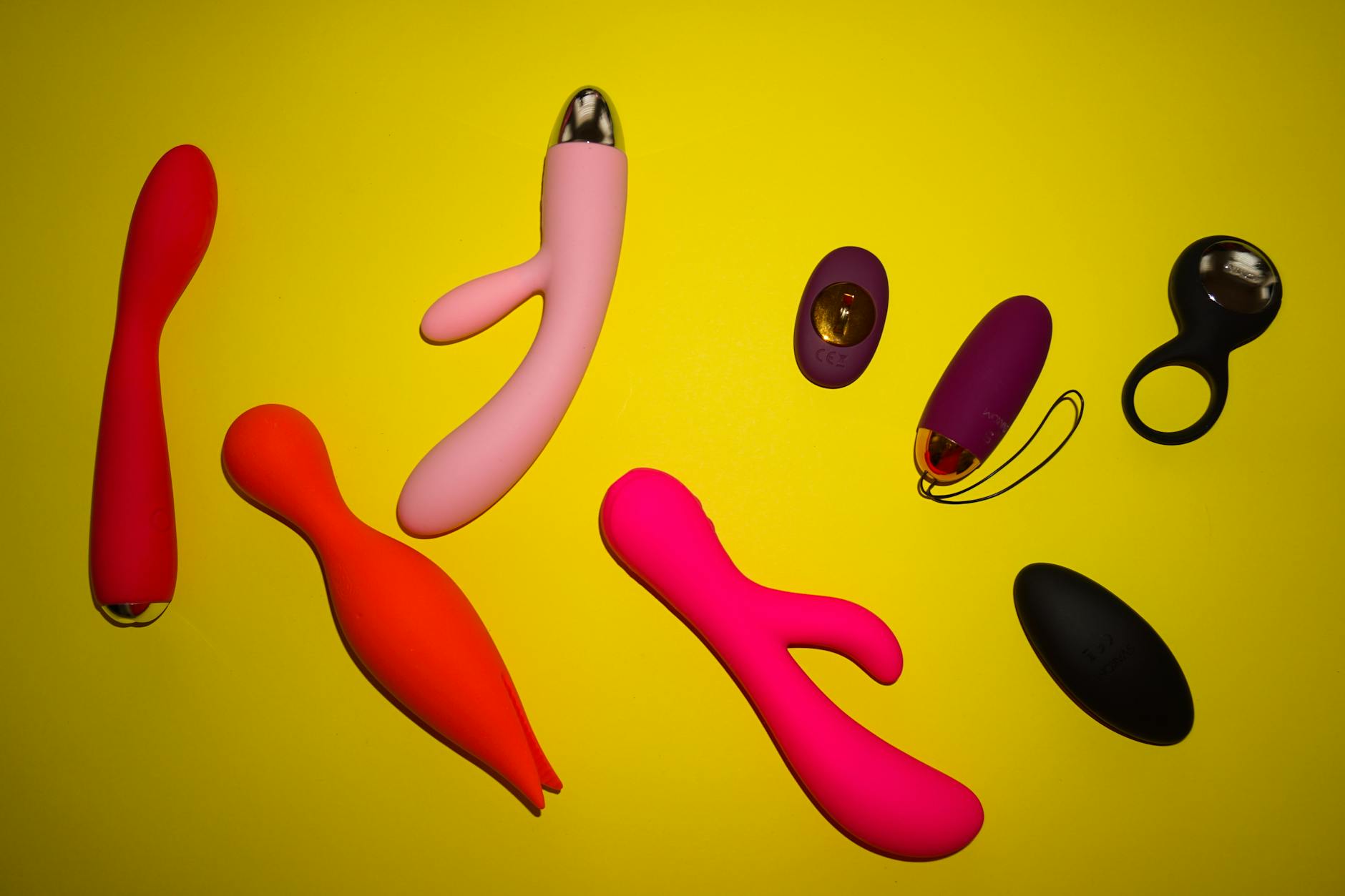
Let's be real about starting again
There are a lot of reasons sex might disappear from your life for a while. Loss, illness, depression, medication shifts, a relationship ending, burnout so deep you forget what pleasure even feels like. Whatever brought you here, you're thinking about coming back to it. That matters.
The tricky part isn't deciding to restart. It's the actual restarting. Your body might feel unfamiliar. Your mind might spin up stories about whether you'll still be able to feel things the way you used to. If you're with a partner, there's the whole negotiation of timing and readiness. If you're alone, there's the weirdness of your own body feeling like a stranger's.
A lemon clitoral vibrator changes the equation. Here's why, and how to use it in a way that actually works when you're finding your way back.
Why restarting feels different physically
When sex pauses for extended periods, your body doesn't forget how to respond. But a few things shift that you should know about.
Blood flow to the genitals takes longer to build when you're out of practice. Lubrication might not arrive as quickly as it used to. Nerve sensitivity sometimes feels either muted or weirdly heightened, depending on what caused the pause. Your pelvic floor muscles may have tightened up from disuse or tension. And your brain, which is honestly the biggest player in pleasure, needs time to remember that this is safe and worth doing.
None of this means anything is broken. It means you're starting from a different baseline, and you get to design how you rebuild.
The lemon vibrator advantage for returning to sex
A lemon clitoral vibrator is specifically good for this moment because of how it works. Unlike traditional vibrators that rely on heavy vibration or friction, lemon vibrators use air-pulse suction technology. This means you get strong stimulation without the direct mechanical pressure that can feel too intense when tissue is reawakening.
When you've been away from sex for a long time, your clitoris is often more sensitive and also more protected by tissue that's a bit atrophied. A suction-based lemon vibrator gives you precision without roughness. You're not grinding or pressing. You're creating a gentle seal that pulls blood into the area and stimulates thousands of nerve endings at once.
For people restarting, this matters because it lowers the stakes. You're not working toward a specific outcome. You're just reconnecting with what feels good.
The mental side, which honestly matters more
Your body remembers pleasure. Your brain might need convincing that pleasure is allowed again.
If the break came from depression, grief, or trauma, there's often guilt attached. You might feel like you don't deserve this, or that coming back to sex is somehow disrespecting what you lost. If it was medical, there might be fear that your body still isn't ready. If a relationship ended, there might be shame about being alone again after time partnered.
None of these feelings are wrong. They're just information. And they don't have to stop you.
When you're alone with a tool like a lemon vibrator, you get to go at your own pace without explaining yourself. You can stop whenever. You can take a week off and come back. You can spend twenty minutes just holding the device and remembering what anticipation feels like before you ever turn it on. You get to remember that pleasure belongs to you first, before anyone else has access to it.
How to actually restart using a lemon vibrator
Week one is exploration, not performance.
Charge your lemon vibrator fully. Find a time when you're not stressed or watching the clock. You're not trying to orgasm. You're trying to remember that your body has the capacity for pleasure. Lie down somewhere comfortable with good light. Get genuinely curious. Touch your outer labia first. Notice temperature, texture, sensitivity. You might be surprised. Some people find they're more sensitive than before. Some people feel less. Neither means anything.
When you're ready, apply water-based lubricant generously. Even if you think you don't need it, use it anyway. It signals to your nervous system that this is a self-care act, not a performance. Start the lemon vibrator on the lowest setting. Position it over your clitoris gently. You're not holding it in place firmly. You're just resting it there.
Stay there for thirty seconds. Notice. Does it feel good? Does it feel like too much? Does it feel like almost nothing? All of those are fine. Your job is gathering data, not judgment.
If it feels good, stay longer. If it feels overwhelming, stop and come back tomorrow. If it feels like nothing, try moving slightly or adjusting the angle. The most common mistake people make when restarting is pushing through discomfort in hopes of feeling "normal" again. You're not trying to jump back to where you were. You're meeting yourself where you are.
Building back over weeks, not days
After a few sessions of gentle exploration, most people start finding a rhythm that feels right. Maybe that's five minutes of stimulation. Maybe it's fifteen. Maybe you have no interest in reaching orgasm at all yet, and that's completely fine.
Once you've confirmed that basic sensation feels manageable, you can start increasing intensity or duration slightly. Bump from setting one to setting two. Explore different positions. Try using the lemon vibrator in different rooms. The actual mechanics matter less than the fact that you're regularly signaling to your body that pleasure is on the menu again.
You might notice that your first few orgasms, if you get them, feel different from what you remember. Less explosive. More internal. Quieter. Shorter. This is normal. Your body has been offline. It's rebuilding its own nervous system response to pleasure. Trust the process.
If you're restarting with a partner
Communication matters more than the tool itself. Before you bring a lemon clitoral vibrator into partnered sex, you and your partner should have talked about coming back to sex at all. Not in a heavy, clinical way. Just honest. "I'm thinking about restarting things. I'm nervous and excited. I don't know what I'm ready for yet, but I want to figure it out."
Once you've had solo exploration time, you might bring it into partnered sessions. Some partners find watching you use a lemon vibrator incredibly hot. Others feel worried they're not enough. Have that conversation too. "I'm using this to help my body remember what it's capable of. This isn't about you. It's about me rebuilding my own pleasure."
If a partner insists that restarting should happen on their timeline or their terms, that's information. Use it carefully.
Physical signs that you're ready to progress
After a few weeks of gentle exploration with your lemon vibrator, certain things start happening naturally. Lubrication arrives more quickly. Sensation feels sharper. You might notice you're thinking about pleasure during the day, not just when you're actively touching yourself. Orgasms, if they happen, might feel stronger.
These are signs your nervous system is back online. You can respond to that by staying curious. Try longer sessions. Experiment with the higher intensity settings. If penetration feels relevant to you, a lemon vibrator pairs well with fingers or a toy inside as your external stimulation.
The whole point is that you're building competence and confidence at the same time. Your body is remembering, and you're reminding yourself that you're actually good at this.
When to pause and check in with yourself
If stimulation causes pain, stop. Pain is different from discomfort or intensity. Pain is your body saying no. Listen to it.
If a session brings up big emotions, tears or grief or rage, that's not a failure. That's your nervous system processing. Let it happen. You might take a break after and come back in a day or two.
If you find yourself approaching pleasure with the same pressure and performance expectations you carried before the break, pause the whole thing. The point of restarting is to do it differently. You get to take your time. You get to change your mind. You get to want things you didn't want before.
The bigger truth
Returning to sex after a long absence is not about getting back to normal. It's about meeting yourself at exactly where you are right now and building from there. A lemon vibrator, with its gentle precision and low-pressure approach, gives you a tool that works with your body instead of against it. You're not performing. You're exploring. You're remembering. And you're allowed to take as long as you need.
If you're working through anxiety about restarting sex, or if you're navigating this alongside a partner who's uncertain, those conversations matter too. But right now, the most important thing is giving yourself permission to start small, stay curious, and trust that your body knows what to do when you stop forcing it.
People also ask
How long does it typically take to feel normal again after a sexual break?
There's no fixed timeline. For some people, basic sensation returns within two to three weeks of gentle exploration. For others, it takes a few months to rebuild confidence and consistency. Factors like why the break happened, your current stress level, and whether you're partnered or solo all affect the pace. The key is understanding that "normal" probably means something different now than it did before the break. You're not trying to get back to an old version of yourself. You're finding a new sexual rhythm that fits your current life.
Can a lemon vibrator help if penetration feels painful after time away?
Yes, but with care. A lemon clitoral vibrator stimulates the external clitoris without any internal pressure, so it's often safer to start with if penetration has caused discomfort. Once you've rebuilt some confidence with external stimulation, you can explore what internal sensation feels like. If penetration stays painful, talk to a gynaecologist or pelvic floor specialist. Pain with penetration can have physical causes like atrophied tissue, tight pelvic floor muscles, or reduced lubrication. All of these are treatable.
Is it normal to not feel much sensation at first with a lemon vibrator?
Completely normal. After a long break, nerve sensitivity often takes time to rebuild. Your clitoris might feel less responsive than you remember. Keep exploring at the lowest settings for a few weeks before assuming your body has permanently changed. Most people find sensation gradually increases. If sensation stays muted after four to six weeks of regular use, check in with a healthcare provider.
Should I use a lemon vibrator alone first, or is it okay to start with a partner?
Alone first. This isn't about shame or secrecy. It's about creating a low-stakes space where you're only responsible for yourself and your own experience. Partner sessions add complexity because there's another person's comfort, arousal, and expectations in the mix. Solo exploration lets you gather data about what feels good without having to manage anyone else's experience.
What's the difference between restarting sex and having performance anxiety?
Restarting involves time away from all sexual activity, often due to circumstances outside your control: illness, depression, relationship loss, medication changes. Performance anxiety can happen anytime you feel pressure to perform a certain way or reach a certain outcome. You can absolutely experience both at once. The tool for each is different. Restarting needs patience and low-pressure exploration. Performance anxiety needs permission to let go of outcomes and reconnect with sensation for its own sake. A lemon vibrator helps with both.
Is there a right time to introduce partnered sex again after a long break?
When you've had solo exploration time and you feel curious, not pressured. That might be two weeks or two months. A partner worth your time will match your pace, not rush it. If you're feeling ready to bring your partner back in, have a conversation that doesn't center on sex itself at first. "I'm starting to feel like myself again. I'm wondering if we could slowly rebuild physical connection." Let them ask questions. See how they respond. Their willingness to go at your pace is actually the litmus test for everything that comes next.