
Let's be real about anxiety and arousal
Anxiety doesn't kill desire. It kills access. Your brain is sitting in the fight-or-flight cockpit while your body is supposed to be relaxed enough to feel pleasure. Those two systems cannot run at the same time. Arousal requires parasympathetic activation. Anxiety demands sympathetic dominance. You can't have both, and your nervous system will always protect you first.
Here's what happens physiologically. When anxiety activates, your adrenal system floods your bloodstream with cortisol and adrenaline. Blood flow diverts away from the genitals and toward your limbs, your chest, your jaw. Your pelvic floor tightens. Your skin goes cold or clammy. Your attention fractures. The physical sensation you'd normally build toward orgasm becomes impossible to access because your body is literally somewhere else.
The good news. Anxiety-blocked arousal is not permanent. It's not a sign that something is broken. It's a sign that your nervous system needs a different entry point, and lemon clitoral vibrators like the Lem offer something unique. They work with that stuck nervous system instead of against it.
Why lemon vibrators work differently when anxiety is in the way
A standard vibrator asks your nervous system to shift states on its own. You're supposed to relax, warm up, build sensation gradually. If anxiety has you locked down, that's almost impossible.
Lemon sucker technology works differently. The pulsing, rhythmic suction creates what's called a "somatic anchor." Instead of waiting for arousal to happen, you're giving your body a consistent external rhythm to follow. This is the same mechanism that makes breathing exercises work for panic attacks. You're not forcing relaxation. You're offering your nervous system a pattern it can sync with.
For anxiety specifically, this matters because suction stimulation activates the parasympathetic nervous system directly through the vagal pathway. The rhythmic pressure triggers a calming response in your body without requiring you to think your way into relaxation. You literally cannot think yourself into arousal when anxiety is high. But you can feel your way into it with the right sensory input.
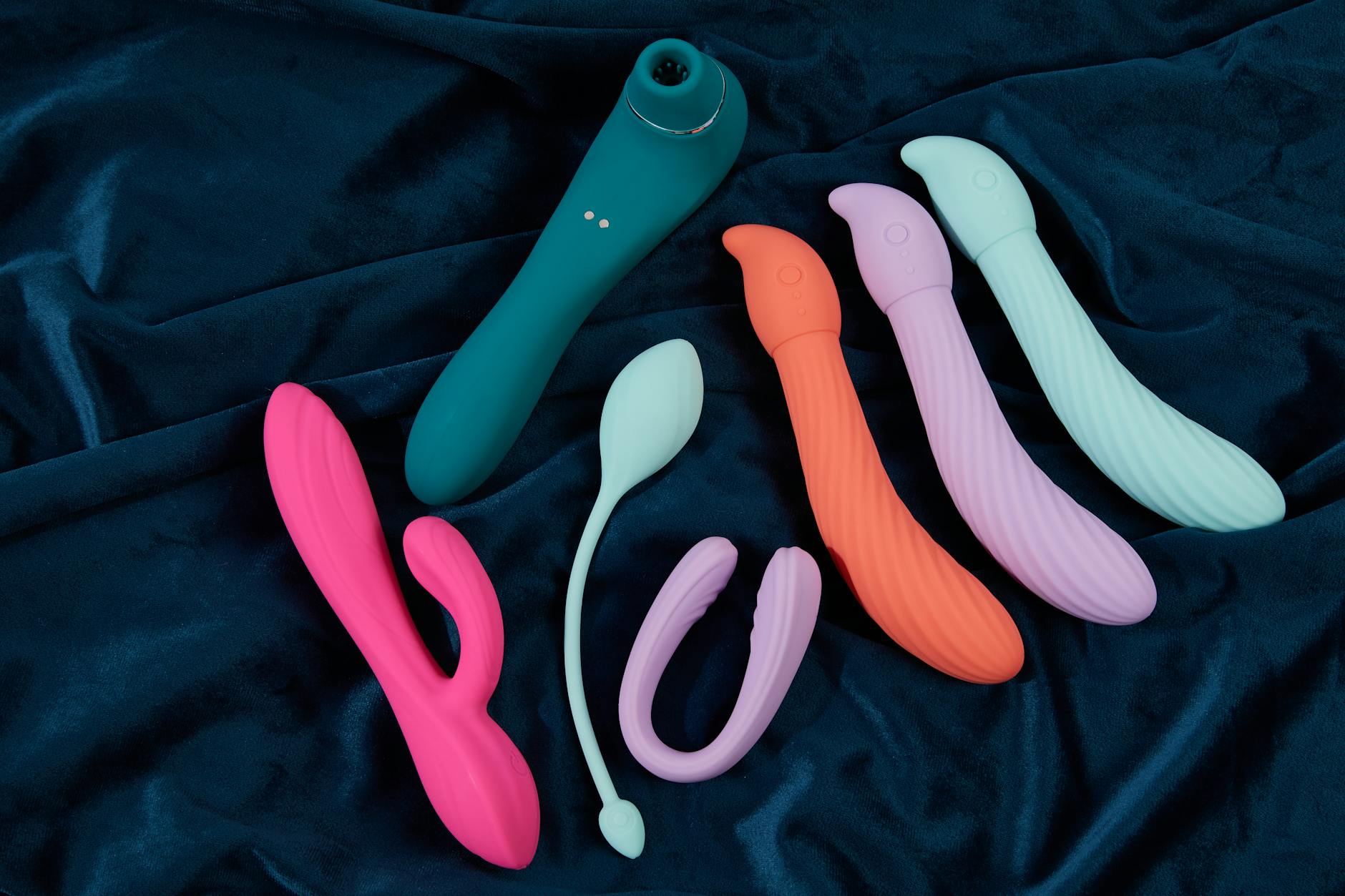
Photo by IFONNX Toys on Pexels
The three-step nervous system reset before you even start
Using any lemon clitoral vibrator when anxiety is blocking arousal works better if you prime your nervous system first. This isn't meditation or visualization. It's physical.
Step one. Vagal toning (two minutes). The vagus nerve is your parasympathetic highway. Activate it by humming or sighing for a full exhale. Breathe in for a count of four, out for a count of six. Do this five to ten times. You're literally signaling your body that it's safe now. This is not woo. This is neuroscience.
Step two. Progressive muscle relaxation (two minutes). Starting with your toes, tense each muscle group hard for three seconds, then release. Feet, calves, thighs, glutes, core, chest, shoulders, arms, hands. Your nervous system learns safety through your muscles, not your thoughts.
Step three. Grounding (one minute). Touch five objects around you. Feel their temperature, texture, weight. Name them. This brings your attention out of the anxiety spiral and into your sensory present. This is your amygdala reset button.
Now your nervous system is in a better place to receive sensation.
How to use your lemon vibrator when anxiety is blocking feeling
Start with the lowest intensity setting. Anxiety makes you hypersensitive. Even setting two on the Lem might feel overwhelming at first. That's not a problem. That's information.
Apply the vibrator to the external clitoris and the clitoral hood, not directly on the most sensitive point. Anxiety often makes direct stimulation feel sharp or painful instead of pleasurable. Indirect contact feels safer and lets sensation build.
Keep your eyes open. This matters. Closing your eyes amplifies internal sensation, which can trigger rumination and anxiety spirals. Open eyes ground you in your environment. You're not escaping into pleasure. You're building safety and sensation in the same room where you actually are.
Start with ten-minute sessions. Not aiming for orgasm. Aiming for sensation. Can you feel the vibration? Can you notice if it intensifies, then lightens? Can you notice where in your body you feel it. Many people with anxiety-blocked arousal spend months rebuilding basic sensation awareness before pleasure patterns return. That's normal and healthy.
Use lubricant even if you don't think you need it. Anxiety literally reduces natural lubrication. Water-based lube removes the friction that can trigger performance anxiety ("Is my body responding right?") and lets you focus on what you're actually feeling.
When anxiety shows up mid-session
It will. You'll be building sensation, and your brain will suddenly spin up a worry or a memory. That's not failure. That's your nervous system still learning that pleasure is safe.
When that happens, pause. Don't push through. Don't judge. Simply pause the vibrator, return to the vagal toning breath (in for four, out for six), and come back when you feel the anxiety dip even a little. You're teaching your nervous system that pleasure doesn't require fighting through panic. Pleasure requires safety first.
Many people find that building arousal takes longer when anxiety has been present long-term. Weeks instead of minutes. That extended timeline is actually helpful. You're not forcing a response. You're rebuilding trust between your brain and body. That takes time, and time is the ingredient that actually works.
The partner conversation when anxiety is in the way
If you have a partner, this changes the dynamic. They may feel rejected or confused when arousal doesn't happen quickly. You may feel pressure to perform, which makes anxiety worse.
Separate the conversation. "My nervous system needs a reset" is different from "I'm not attracted to you" or "Our relationship is stuck." Say both things clearly if both are true. But anxiety-blocked arousal is often just anxiety. Nothing else.
Consider using your lemon clitoral vibrator alone first, until you feel your sensation returning consistently. Then involve your partner. Some couples find that shared exploration with the vibrator (with no expectation of intercourse or traditional sex) rebuilds safety and connection simultaneously.
If your partner struggles with the vibrator, reframe it. The vibrator isn't replacing them. It's helping your nervous system remember how to feel safe enough to want them. That's an asset to the relationship, not a threat.
When to get additional support
If anxiety has completely blocked arousal for more than six months, talk to a therapist who specializes in trauma or anxiety disorders. Consistent, treatment-resistant arousal loss can signal something beyond typical performance anxiety. It might be past trauma (sexual or otherwise), deeper relationship patterns, or even undiagnosed panic disorder.
A lemon vibrator is a powerful tool for rebuilding sensation and nervous system regulation. It is not a replacement for therapy when anxiety has become severe or persistent.
Similarly, if using the vibrator triggers panic or flashbacks, stop and seek professional support. You're not broken. You need a trauma-informed approach, not a solo technique.
Anxiety doesn't mean you've lost your capacity for pleasure. It means your nervous system is protecting you, sometimes too well. A lemon clitoral vibrator offers a sensory pathway back. Combine it with nervous system retraining, patience, and self-compassion. Arousal will return.
FAQ
Can anxiety actually make arousal physically impossible?
Yes. When your nervous system is in fight-or-flight mode, your body redirects blood flow away from your genitals and toward your limbs. Your pelvic floor tightens. The neurotransmitters necessary for arousal (dopamine, serotonin) drop. This isn't psychological resistance. This is physiology. A lemon clitoral vibrator bypasses this by offering external rhythmic stimulation that your nervous system can sync with, even when you can't access arousal on your own.
How long does it take to rebuild arousal after anxiety has blocked it?
There's huge variation. Some people rebuild sensation within weeks. Others take months. Factors include how long anxiety was present, whether trauma is involved, your current stress level, and how consistently you practice. Consistency matters more than intensity. Ten minutes daily with a lemon vibrator will rewire sensation faster than a desperate 45-minute session once a month.
Is it normal to feel nothing the first time I use a lemon vibrator when anxiety is high?
Completely normal. Anxiety creates a numbing effect. Your nervous system literally doesn't perceive sensation the same way when cortisol is high. This doesn't mean the vibrator isn't working or that your body is broken. It means you're starting from a place where building sensation requires patience. Most people report noticeable feeling shifts within 2-3 weeks of regular use.
Can I use a lemon vibrator if I also have trauma?
Maybe, but with care. Trauma can make genital touch feel unsafe or triggering. If you have trauma history, consider starting with a therapist, ideally one trained in somatic therapy or trauma-focused CBT. They can help you rebuild safety in your nervous system first. A lemon sucker can be part of that process, but it shouldn't be your only tool.
What if my partner is uncomfortable with me using a vibrator for anxiety?
That's worth exploring. Sometimes partners fear the vibrator means they're not enough. Sometimes they're uncomfortable with sex or intimacy generally. Sometimes they're just uninformed. Have a clear conversation about what you need. "I'm using this to rebuild my nervous system regulation. This helps our relationship, not hurts it." If your partner can't come around after direct conversation, consider couples therapy. A therapist can help frame the vibrator as a tool for both of you, not a replacement.
Should I use my lemon vibrator every day if I have anxiety-blocked arousal?
Daily practice builds the neural pathways faster, but only if it feels good. If using the vibrator triggers more anxiety, back off. Your nervous system needs to learn that pleasure is safe, not that you have a new performance demand. Many people find that five to six days a week with one rest day feels sustainable and effective.
Next steps
If you're dealing with anxiety-blocked arousal, you're not alone, and you're not broken. Your nervous system is doing exactly what it evolved to do. Rebuild sensation with tools designed to work with that system, not against it. Start small. Be patient. And if you need additional support, reach out. You can schedule a consultation at /contact to talk through what's happening and what might help.
For more on rebuilding arousal after major life shifts, read our guides on how to use a lemon vibrator when sensation feels numb or reduced and how lemon vibrators help with anxiety during sex.