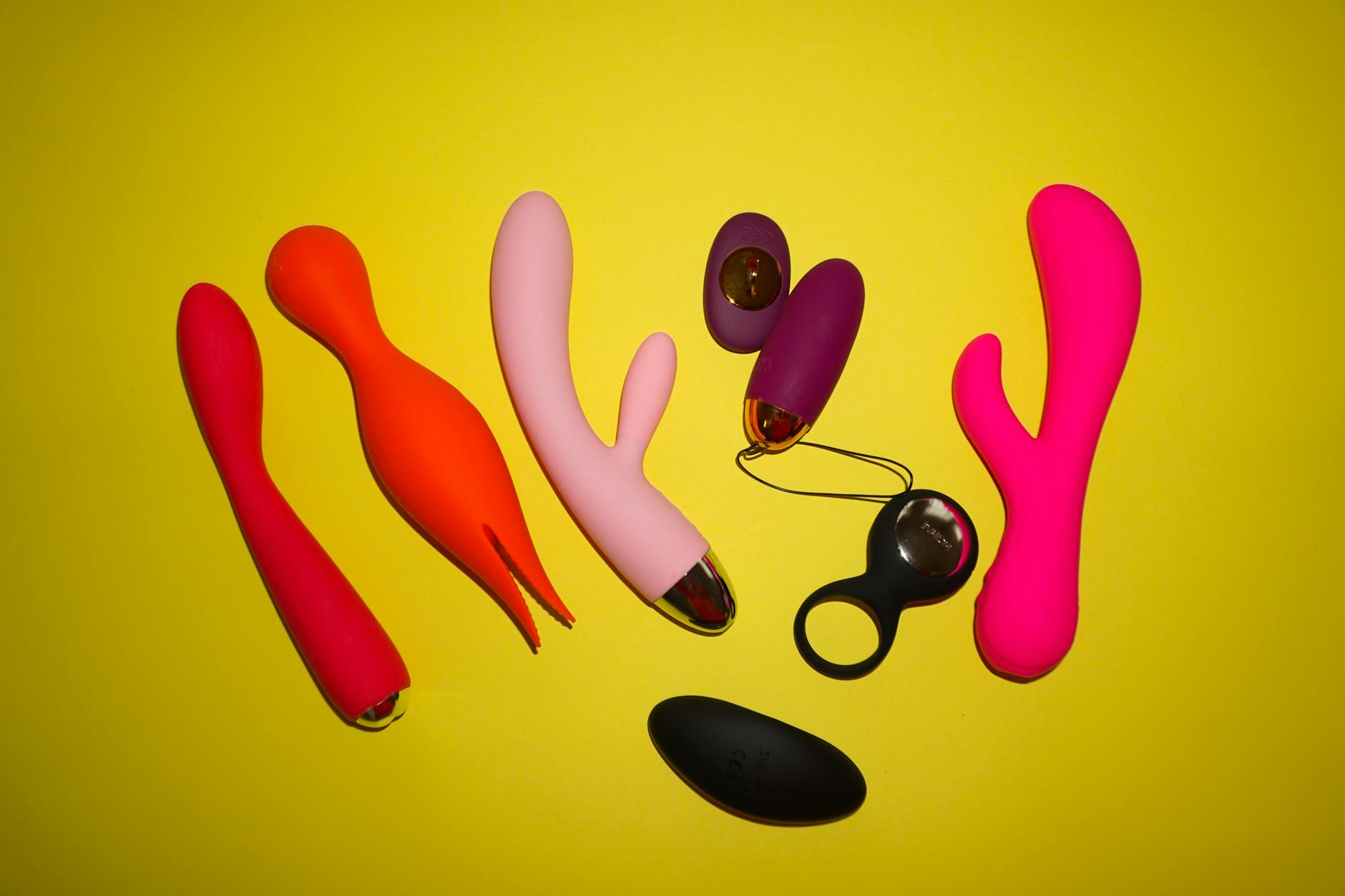
The gap between knowing you want sex and feeling ready
Anxiety doesn't just kill the mood. It kills the signal. Your body forgets what arousal feels like. Your brain gets stuck in a loop where sex equals danger, even when you intellectually know that's not true anymore. You're ready to come back to pleasure. Your nervous system is still catching up.
That gap is real, and it's not something willpower closes. You need a reset tool.
Why anxiety freezes pleasure at the source
When anxiety has been your constant, your nervous system has gotten very good at one job: staying vigilant. Even after the trigger passes, the body holds on. Arousal requires something anxiety actively prevents. You need to feel safe enough to let your guard down. You need something that doesn't demand performance. You need a way to rebuild trust with your own body.
This is where a lemon clitoral vibrator works differently than other tools. Unlike vibrators that require rhythm, pressure, or intensity management, a lemon sucker (air-suction design) is passive in the way your body needs it to be. You're not doing anything. It's doing the work. That distinction matters when your nervous system is learning to relax again.
Starting the conversation with yourself
Before you involve a toy, be honest about one thing: is this coming from inside you, or is it pressure from a partner. If a partner is pushing for sex before you feel ready, that's not a lemon vibrator problem. That's a boundary problem. A good partner will wait. A great partner will help you rebuild at your pace.
When you're genuinely ready to explore, the next question is simpler: do you want to do this alone first, or with someone. Both are correct answers. Solo exploration lets you rebuild the map of what feels good without an audience. Partnered sex offers connection, but it adds a variable. Know which one your nervous system needs right now.
Photo by cottonbro studio on Pexels
How the lemon vibrator calms the nervous system
The suction technology does something your anxious brain recognizes: it creates a gentle, rhythmic pressure that signals safety. It's not jarring. It's not demanding faster breathing or bigger reactions. It's consistent, controllable, and you can stop it instantly. That combination matters when you've spent months (or years) feeling like your body is not your own.
Start at the lowest setting. You're not chasing an orgasm. You're teaching your body that this stimulus equals safety, not threat. Many people find that the first few sessions don't produce an orgasm, and that's exactly right. You're rewiring a nervous system response, not testing performance.
The psychological piece is just as important as the physical one. A lemon sucker makes no demands. It doesn't care if you're aroused, if your mind wanders, if you need to stop. That absence of judgment is healing. Over time, your body starts to believe it. Pleasure becomes possible again.
Building the ritual around it
The environment you choose matters. Pick a place where you feel safe. This might be your bedroom, locked, with your phone on silent. It might be a bath. It might be a quiet afternoon on your couch. The where is less important than the feeling: "I am here, alone, with permission."
Give yourself 20 to 30 minutes. Not because you need that long to come, but because you need that long to settle. Your nervous system has learned to stay tense. It doesn't drop that guard in 60 seconds. A bath beforehand helps. So does slow breathing. Some people light a candle or put on music. You're signaling to your brain that this is safe, contained time.
Start with touch before you reach for the toy. Your hands. Your breath. Let arousal build at its own pace. Then introduce the lemon vibrator at a low setting, in the area that feels least charged first. If your clitoris feels too sensitive, start on the outer labia or your thighs. Work your way toward intensity. This isn't a race.
What happens when your mind interrupts
It will. Anxiety brains interrupt. You'll be in the moment and suddenly remember something that scared you, or you'll wonder if you're doing it right, or you'll think about the laundry. This is not failure. This is normal.
When it happens, pause the toy. Breathe. Acknowledge the thought. "That happened. I'm safe now." Then gently bring your focus back. You're teaching your brain that distractions don't mean danger. You can notice them and keep going.
If you need to stop, stop. Your body always gets a yes. The power to pause is part of what makes this healing. After a few sessions of stopping and starting, most people find that the interruptions get quieter. Your nervous system is learning the pattern.
When to bring a partner back in
Solo pleasure is not the end goal. It's the foundation. Once you've had a few solo sessions where you feel genuinely good (not amazing, just good), you're ready to invite someone else in. Start the same way you started alone: low intensity, no pressure, clear permission to stop.
Many people find that sharing a lemon clitoral vibrator with a partner actually rebuilds intimacy faster than partnered sex alone. It removes the performance dynamic. Your partner isn't trying to "make" something happen. They're watching you pleasure yourself and supporting that. That's radically different from the pressure that may have created the anxiety in the first place.
Communicate before, during, and after. "I like this speed." "I want to try it on my own for a moment." "I felt safe with you here." The conversation is part of the healing. It tells your nervous system that this person respects your body, which is what makes sex feel possible again.
The timeline is longer than you think it should be
Some people feel pleasure return in weeks. Others take months. If you're in the latter group, you're not broken. You're healing at the pace your nervous system requires. Anxiety trauma takes time to reorganize. Trying to rush it usually pushes it deeper.
A lemon vibrator shortens that timeline because it removes performance pressure and makes pleasure feel achievable solo. But the timeline is still yours. There's no finish line where suddenly sex is "normal" again. You're building something new. Something where your body feels like yours. Something where pleasure feels safe. That's worth the wait.
FAQ
How soon after anxiety treatment can I use a lemon vibrator?
The answer depends on what caused your anxiety. If you've completed professional treatment (therapy, medication adjustment, etc.), you're medically cleared, and you feel emotionally ready, there's no "too soon." Your body will tell you if it's ready. Start slow. If using the toy triggers panic, pause and return to your therapist. That's useful information, not failure.
Can a lemon clitoral vibrator give me an orgasm after anxiety made sex feel impossible?
Yes. The suction design works on a different pathway than traditional vibrators, which often helps people with anxiety because there's less cognitive "trying" involved. That said, the first orgasm after anxiety recovery might feel different. It might be quieter, slower, or more emotional than you expected. All of that is normal. Your nervous system is relearning pleasure on new terms.
Should I tell my partner I'm using a lemon vibrator to recover from anxiety?
That depends on your relationship and comfort level. If you're in a committed partnership, transparency usually helps. You don't need to give details you're not comfortable with, but something like "I'm working on rebuilding my relationship with pleasure solo right now" is honest. If your partner responds with shame or pressure, that's telling you something about your relationship that might need separate work.
What if the sensation from a lemon sucker feels too intense when I'm anxious?
Start at the absolute lowest setting and keep the toy about an inch away from your skin at first. You can gradually move closer as your nervous system gets comfortable. If even the lowest setting feels too much, that's information. It means your window of tolerance is narrower than you thought. That's not wrong. It just means you might benefit from more nervous system work (breathwork, yoga, therapy) before the toy feels good.
How do I know if I'm ready for partnered sex again?
You feel curious about it from inside yourself, not from pressure. You've had solo experiences with the lemon vibrator that felt good without being perfect. You can communicate with your partner about what you need. You don't feel afraid of your own body or your partner's. Those are the real markers. Not how much time has passed, but how your nervous system responds.
Can I use a lemon vibrator while I'm still in therapy for anxiety?
Absolutely. In fact, most therapists specializing in sexual health would encourage it. It's a practical tool for rewiring the nervous system while you're doing cognitive and somatic work in session. Just mention it to your therapist so they can track how it's affecting your recovery trajectory.
Coming back to your body is coming back to yourself
Anxiety doesn't just interrupt sex. It interrupts your sense of who you are in your own body. The pleasure that used to feel like you isn't accessible anymore. A lemon vibrator won't "fix" anxiety. But it gives your nervous system permission to remember what arousal feels like without judgment. It's a tool for the conversation you're having with yourself: "This body is still mine. And it can feel good again." When you're ready to explore how to use a lemon vibrator for better sensation and connection with a partner, that foundation will be there.
Your timeline is your own. Your pace is the right pace. And you deserve to come back to pleasure without rushing.
Sources & Further Reading
Gottman, J.M., & Silver, N. (2015). The Seven Principles for Making Marriage Work. Harmony. Evidence-based framework for relationship healing after trauma.
van der Kolk, B. (2014). The Body Keeps the Score: Brain, Mind, and Body in the Healing of Trauma. Penguin. Foundational research on how nervous systems store and release trauma.
Polyvagal Theory research (Porges, S.P.). Demonstrates how vagal tone affects safety perception and arousal capacity.
Sex therapy guidelines from the American Association of Sexuality Educators, Counselors and Therapists (AASECT) on trauma-informed approaches to sexual recovery.