Here's the thing about toys and partners
Introducing a lemon vibrator into partnered sex feels like it should be complicated. It's not. What's actually complicated is all the invisible stories we carry about what toys mean, who should want them, and whether asking for one makes us seem needy or unsatisfied. That's the real barrier. The toy itself? Wildly straightforward.
I've worked with hundreds of couples navigating exactly this moment. The ones who succeed aren't the ones with naturally perfect communication. They're the ones who stop treating the toy like a problem to solve and start treating it like a tool for mutual pleasure.
Why a lemon vibrator changes partnered sex
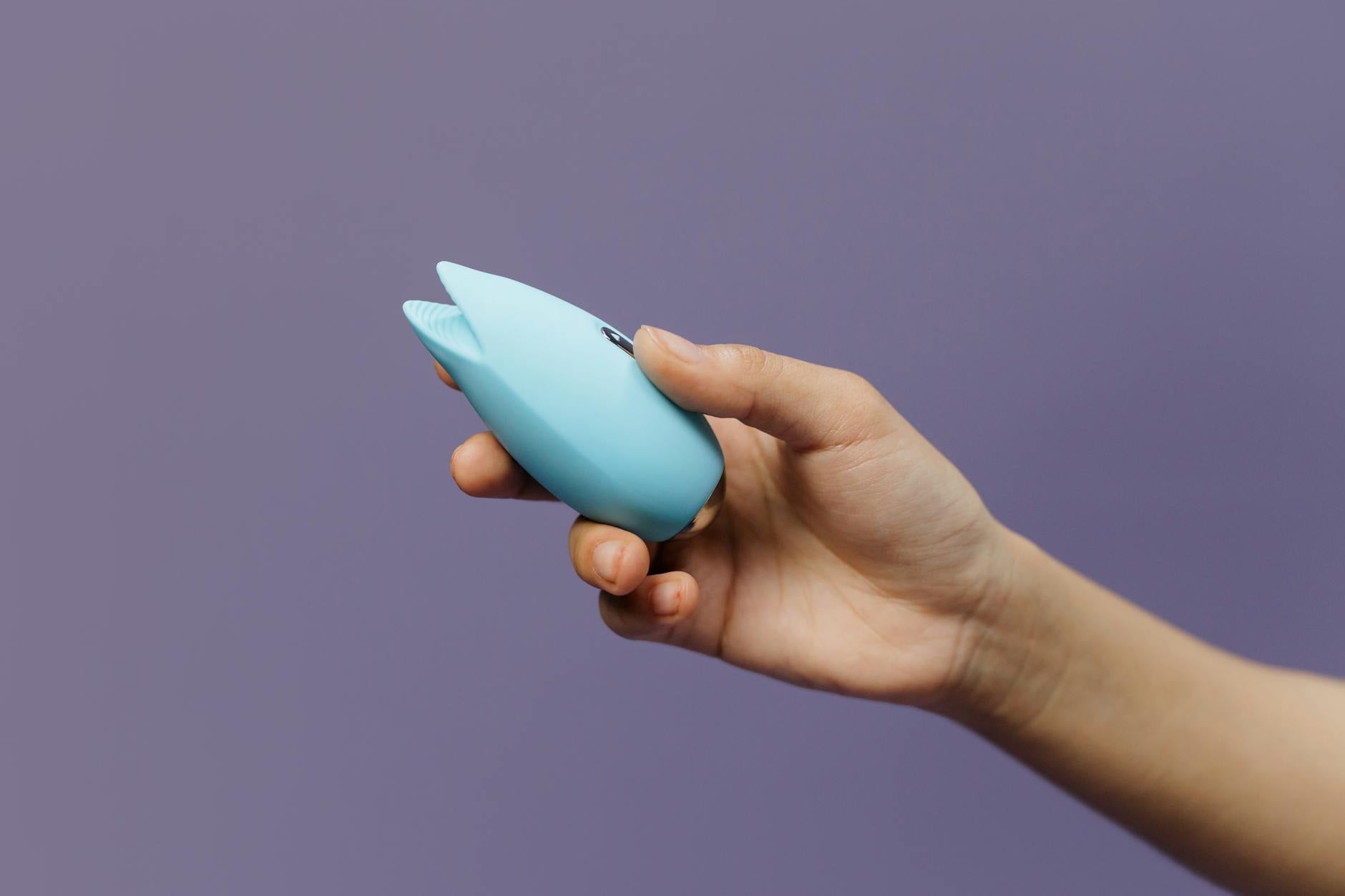
Let me be direct: most partners cannot replicate what a clitoral vibrator does. That's not a criticism of your partner. It's biomechanics. A lemon sucker like the Lem creates rapid, focused stimulation that a hand, tongue, or body simply cannot match in consistency, speed, or precision. When you stop fighting that reality, everything shifts.
Here's what happens when you introduce it: your partner gets to focus on everything else. Kissing. Touching you in other places. Paying attention to your face, your breath, what you actually want in that moment. Instead of being the sole source of clitoral stimulation, they become part of a larger experience. For many couples, that's the thing that actually deepens the connection.
The other piece is sensation itself. If you've been struggling to climax with a partner, or if orgasms have felt distant or hard to reach, adding a lemon vibrator creates a different pathway entirely. You're not relying on their manual technique or timing. You're both in control of the intensity and rhythm together.
The conversation before you introduce it
This matters more than the toy itself. Here's what I've seen go wrong: one person buys a vibrator and brings it to bed without a word. The other person feels ambushed, rejected, or like they've failed. Conversely, one person asks permission in a way that sounds like they're apologizing, which makes the other person defensive.
The sweet spot is this: matter-of-fact, collaborative, and grounded in pleasure, not problem-solving.
Instead of: "I've been thinking we need to try something" (sounds like critique).
Try: "I want to show you something that feels amazing for me. I think it could be really hot for us together" (it's an invitation, not a complaint).
The best conversations happen outside the bedroom, not during sex. You're calmer. There's no pressure. You can actually listen to what your partner says without the stakes feeling immediate.
What if your partner seems resistant? Don't push. Ask what they're worried about. Often it's one of three things: they think you're not attracted to them anymore, they're worried it means they're not enough, or they simply don't know how to be part of it. None of those are solved by arguing. They're solved by reassurance, patience, and showing them how the vibrator actually works in practice.
How to physically use a lemon vibrator together
There are roughly four ways this goes, depending on what works for you both.
You hold it, they touch you everywhere else
This is the simplest entry point. You're lying together, and you apply the lemon vibrator while your partner kisses your neck, touches your breasts, or enters you. You control the intensity and positioning. They focus on everything else. This works because neither of you has to coordinate anything complicated. You both have a job and can focus on sensation rather than logistics.
They hold it, you guide them
This feels sexier to some couples because it's more collaborative. You're lying back, your partner is between your legs or beside you, and they're applying the lemon vibrator while you give feedback. "A bit higher," "Stay there," "Faster." It requires slightly more communication, but the payoff is that your partner gets to actively participate in bringing you pleasure rather than just watching.
They hold it while inside you
If you're interested in penetration, a partner can use the lemon clitoral vibrator on you while they're inside. This creates dual sensation for you and often intensifies things dramatically. The key is coordination. Start slow so you both understand what feels good. Some positions work better than others. Side-by-side tends to be easier than traditional missionary for this.
You both hold it
This is less common but deeply intimate. Your hands on top of theirs, controlling the pressure and speed together. It's slower, more sensual, and requires real presence from both people. Save this for when you're both relaxed and not in a rush.
The practical things that actually matter
Use lubrication. A clitoral vibrator works best with a slick surface, and lube makes everything feel smoother and less abrasive. Water-based lube is your friend.
Start at lower intensity. Even if you're used to high settings alone, the sensation changes when someone else is touching you or when you're in a partnered position. Give yourself time to adjust.
Talk during. Not like a clinical report. Just "That feels good" or "Try moving it slightly left." Your partner can't read your mind, and feedback helps them feel less anxious about whether they're doing it right.
Don't make it the whole event. The lemon vibrator should be part of sex, not the only part. Use it to build arousal, then shift focus. Use it again later. It's a tool in a larger experience, not the main event.
Clean it after every use. Any toy gets rinsed with warm water and mild soap. Dry completely before storing. This matters both for hygiene and for keeping the toy in good condition.
When resistance lingers
Sometimes a partner stays hesitant even after you've talked and shown them how it works. This often means something deeper is happening. Fear of inadequacy is real, and it's worth taking seriously.
Here's what actually helps: direct reassurance. "I love the way you touch me. This isn't about you being not enough. It's about adding something that feels incredible." Followed by action. Let them see you orgasm with the lemon vibrator. Show them you enjoy it. Let them participate in that. Many partners shift once they see the pleasure firsthand.
If someone flat-out doesn't want toys in the bedroom, that's also information. You get to decide whether that's a dealbreaker or a compromise you're willing to make. But you don't have to choose between your pleasure and your relationship. There's usually a middle ground.
What changes when it works
Couples who start using a lemon vibrator together often report shifts beyond just the physical. They talk more freely about what feels good. They're less performance-focused and more pleasure-focused. Sex becomes something you're doing together rather than for each other.
That matters because it's foundation for everything else. When you can say "I want to come," and your partner is actively invested in that happening, the whole dynamic shifts. Desire increases. Intimacy deepens. You stop having sex and start connecting.
The vibrator is just the catalyst. The actual work is the conversation, the presence, and the willingness to explore together. If that sounds worth trying, the lemon clitoral vibrator is an exceptionally good starting point.