Let's talk about what low libido actually is
Here's the thing: low libido isn't a personality flaw. It's not laziness, and it's definitely not a sign that something is broken inside you. Low libido is your body or mind saying "something doesn't feel right." Stress, medication, relationship friction, hormonal shifts, depression, burnout, body image issues, past trauma, or simple disconnection from your own pleasure can all flatten desire into nothing.
But here's what matters: your capacity for pleasure is still there. It's not gone. It's dormant.
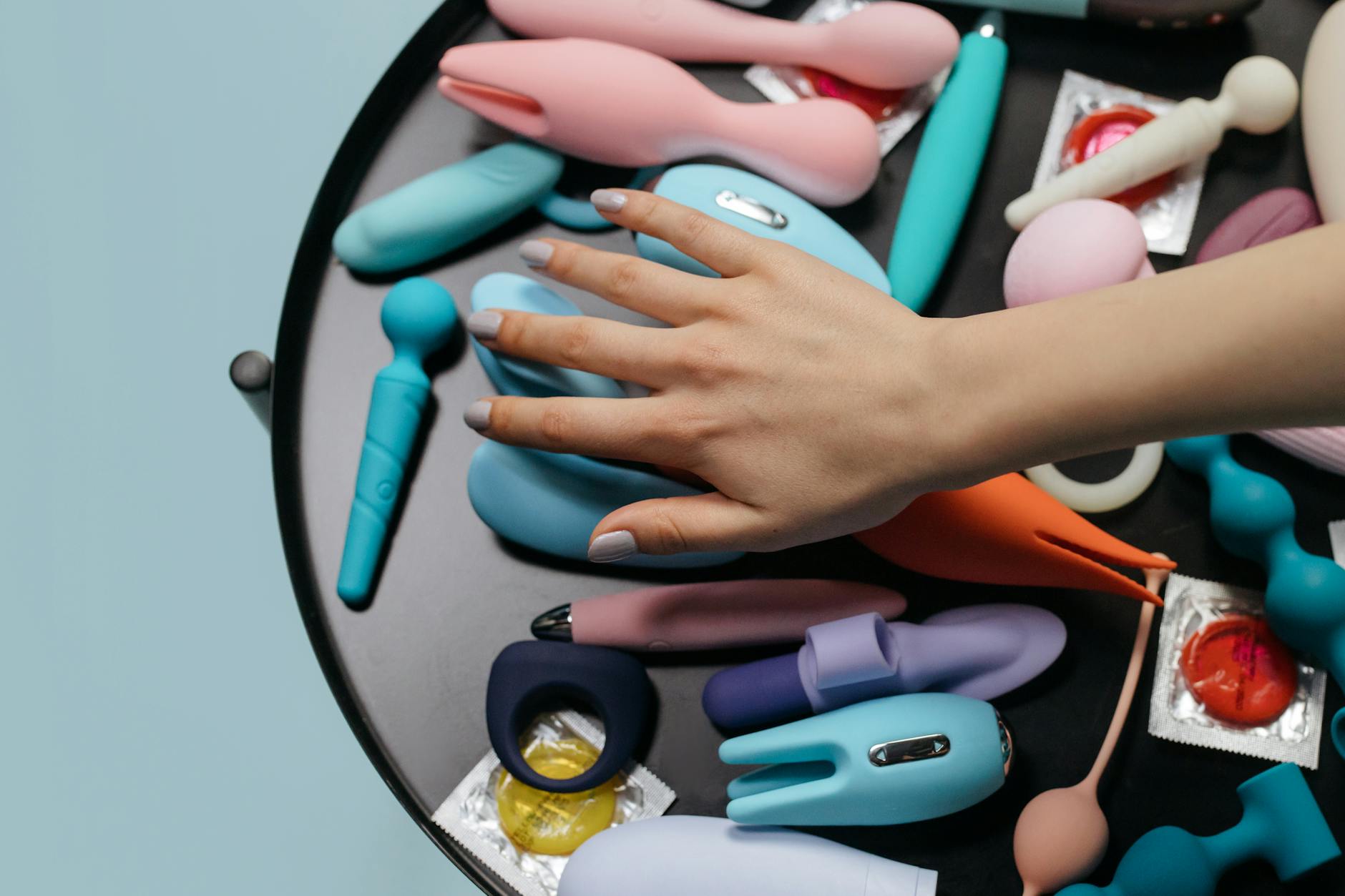
A lemon vibrator, and specifically the suction-based design of a lemon clitoral vibrator, can wake that capacity back up. Not through force, but through a completely different kind of stimulation than you've probably been reaching for.
Why low libido makes traditional vibrators feel pointless
When your libido is low, a standard vibrator often feels like the last thing you need. You don't have the baseline arousal to get anything out of it. You use it for five minutes, nothing happens, you feel worse about yourself, and you put it away for another six months. The cycle is dispiriting.
A lemon clitoral vibrator breaks that cycle because it doesn't rely on you being aroused first. Traditional vibrators demand that you're already somewhat turned on. A lemon sucker works differently. The pulsing suction pattern activates nerve endings in a way that doesn't require pre-existing arousal. You can start at zero and build from there.
This is the difference between waiting for desire and creating it.
How suction changes the equation when desire is absent
Think of arousal like a car engine. With traditional vibrators, you need the engine already running. With a lemon vibrator and its air-suction technology, you're providing the spark plug.
The suction creates a rhythmic pressure that bypasses the normal "am I turned on yet" gateway. Your clitoris has thousands of nerve endings. Suction stimulates them in a pattern that feels almost hypnotic, distinct from the buzziness of conventional vibrators. Your nervous system doesn't need permission from your desire to respond to it.
Many of my clients with low libido report that using a lemon clitoral vibrator is the first time in months or years that they've felt any physical sensation that wasn't tied to obligation or performance. That shift from "I should" to "oh, that actually feels good" is where recovery starts.
The setup that works when you feel disconnected
When libido is low, environment matters more than it normally does. You're not riding a wave of desire that can carry you through awkwardness. You need conditions that make pleasure feel safe and possible.
Start here: find a time when you're alone and won't be interrupted. Not rushed. Twenty to thirty minutes minimum, with zero time pressure. Your phone in another room. The door locked if you share a space. A clean bed or comfortable surface. Warm blanket if it helps you feel less exposed.
That's it. You don't need candles or music or any of that stuff. What you need is permission and privacy. Low libido often lives alongside shame, and shame thrives in uncertainty. Remove the uncertainty.
The first session: what actually happens
Start with your lemon vibrator on the lowest setting (usually pattern 1 or 2). No pressure to feel anything. The goal isn't an orgasm. The goal is sensation.
Spend the first few minutes just getting used to what it feels like. Touch it to your inner thigh first. To your labia. Nowhere near your clitoris yet. Let your nervous system get comfortable with the feeling of suction. Some people find it weird at first. That's completely normal. Weird doesn't mean wrong.
When you move to your clitoris, use it over your underwear or a thin layer of fabric first. The sensation is less intense that way, and intensity can be the enemy when desire is already fragile. You're building a bridge back to pleasure, not proving anything.
If you feel nothing in the first session, that's fine. Sometimes it takes two or three sessions before the wiring reconnects. The important thing is that you showed up for yourself.
Why timing is everything when libido is low
I recommend using a lemon clitoral vibrator during a specific window: when you've had enough sleep, when you're not in active stress, and ideally not right after a difficult interaction with a partner or stressful event. Low libido is often fragile. Small mood shifts can derail a session.
Weekend mornings often work better than weekday nights. After exercise sometimes helps, because your nervous system is already activated. Avoid using it when you're distracted or half-present. Your brain is the primary sex organ, and when libido is low, you need your full attention.
If you miss a week, that's okay. This isn't a schedule. This is a practice of slowly reconnecting with your own body.
How to talk to your partner about this, if that's relevant
If you're in a relationship, your partner might feel confused or rejected by low libido. They might also try to "help" by pushing you back into sex before you're ready. Both of those things make low libido worse.
Here's what I tell my couples: using a lemon vibrator alone is not a sign that you don't want them. It's a sign that you're working on yourself. If your partner is secure enough to understand that distinction, eventually they might be invited in. For guidance on that transition, this piece on using a lemon vibrator for better sensation and connection with a partner covers the specifics.
But first comes solo reconnection. That's non-negotiable.
The patience part (which is the hardest part)
Low libido didn't arrive overnight. It won't leave overnight either. Some people see results in two weeks. Others take two months. Both are normal.
What I've noticed in my practice is that the people who succeed are the ones who stop expecting the vibrator to "fix" them and start using it as a conversation with their body. Not a performance, not a task. A conversation.
That means some sessions you'll use it for thirty minutes. Some sessions five. Some sessions you'll try and feel nothing and put it away. All of that is data. Your body is telling you something. Listen instead of forcing.
When to add external support
A lemon vibrator is a powerful tool, but it's not a substitute for the bigger picture. If your low libido is connected to depression, talk to a therapist or doctor. If it's medication, ask about alternatives. If it's relationship burnout, that conversation needs to happen.
I think of the vibrator as a bridge. It can help you reconnect with pleasure while you're addressing the deeper things. But the vibrator alone won't fix a broken relationship or untreated depression. Use it as part of a bigger strategy, not a replacement for one.
What changes when desire starts returning
Here's what I hear from clients once they've been using a lemon clitoral vibrator consistently: "I remembered what pleasure felt like." Not sex. Pleasure. That distinction matters.
Once pleasure is back online, everything else becomes negotiable. You can decide what you want. Whether you want a partner involved. Whether you want it more or less often. Whether you want to explore other kinds of stimulation. For the first time in a long time, you're choosing instead of defaulting.
That's the real win.
FAQ: Low libido and lemon vibrators
What if I feel nothing the first time I use a lemon vibrator?
Feeling nothing doesn't mean the vibrator is broken or that you're broken. Your nervous system might be in a guarded state. Low libido often comes with a protective numbness. It takes time and repeated gentle exposure for that to shift. Try a few more sessions before assuming it's not working. If after four or five sessions you still feel completely nothing, talk to a doctor about whether medication side effects or a health issue might be playing a role.
Can I use a lemon clitoral vibrator if I'm on antidepressants or birth control?
Yes. Some medications can suppress libido, but they don't prevent the physical sensation of suction stimulation. In fact, many people find that retraining their nervous system through a lemon vibrator actually helps them reconnect with pleasure even while on medication. If your libido flatlined after starting a medication, using a vibrator can be a bridge while you and your doctor figure out whether a dose adjustment might help.
What if my partner notices I'm using a lemon vibrator?
That depends on your relationship dynamic. If you share a space, you can be honest: "I'm working on reconnecting with my own pleasure because my libido has been low. This is for me, not a reflection of what I want from you." Some partners appreciate that honesty. Some feel insecure. Both are valid feelings to navigate, but your sexual self-care shouldn't have to happen in complete secrecy. If you truly can't be honest about it, that might signal a bigger relationship issue worth addressing separately.
How often should I use a lemon vibrator when I have low libido?
Start with once a week, without pressure. If you feel drawn to it more, that's great. If you skip weeks, that's okay too. The worst thing you can do is turn it into another obligation. The goal is reconnection, not discipline. Your body will tell you how often feels right once you start listening.
Is using a lemon vibrator a sign that something is wrong with me or my relationship?
No. Using a lemon clitoral vibrator when your libido is low is self-care. It's a tool. It's a way of saying "I deserve to feel good in my own body." That's healthy. If the low libido is relationship-related, the vibrator won't fix the relationship. But it will help you feel more like yourself while you figure out what comes next. For more on navigating this with a partner, check out how to use a lemon vibrator when your partner feels insecure about toys.
What if I orgasm right away and then feel nothing after?
That's actually not uncommon when libido is low. Sometimes your body releases the tension in one orgasm and then you're done. That's fine. Other times, people find that one orgasm primes the nervous system for a second or third. Neither pattern is wrong. Pay attention to what your body is telling you instead of expecting a specific outcome.
The bottom line
Low libido is loud. It tells you there's something worth paying attention to. A lemon vibrator won't silence it by forcing desire back. Instead, it creates a quiet conversation between you and your own pleasure. That conversation is where healing starts. Not overnight, but it starts. And that matters.