Here's the truth nobody tells you about sex after kids
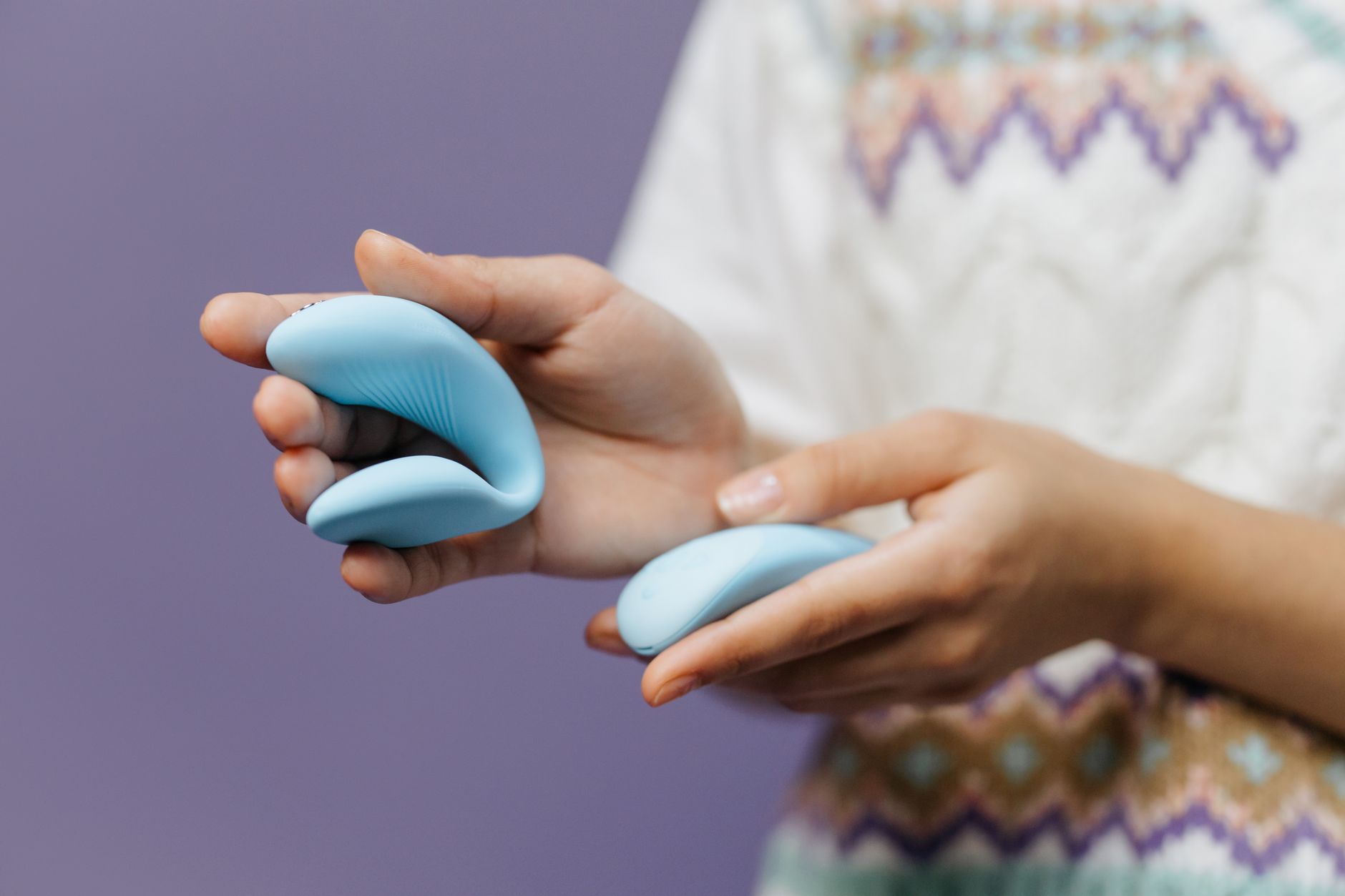
You've got 15 minutes. Maybe 20 if you're lucky and the monitor is quiet. You're not tired exactly, but you're not not tired. The last thing you need is a toy that requires a PhD in coordination or sounds like a lawnmower. This is where lemon vibrators, specifically air-suction technology like the Lem, completely change the game for couples trying to reconnect in the chaos of parenting.
Traditional wand vibrators are fantastic. They're also loud, require sustained pressure, and demand way more mental bandwidth than most couples have left at 10 p.m. Clitoral suction works differently. It's faster, quieter, and honestly more intuitive when you're relearning your partner's body after months or years of touch deprivation.
This isn't just personal preference. There's real biology here, and if you're struggling to find time and space for sex after kids, understanding the difference might actually save your intimate life.
What air-suction technology actually does (and why it matters)
Traditional vibrators work through oscillation. They move back and forth really fast, which stimulates nerves through friction and pressure. Lemon clitoral vibrators work through suction and pulsation. The device creates a gentle seal and rhythmically draws on the tissue, which activates a different set of nerve endings without the same mechanical pressure.
Why does this matter for couples? Speed, honestly. Most people reach orgasm faster with air-suction than with vibration alone. In clinical research on clitoral stimulation, suction devices consistently showed shorter time-to-orgasm compared to traditional vibrators. When you have a 20-minute window, that difference is enormous.
The other thing nobody talks about is mental load. A wand vibrator requires you to hold it at exactly the right angle, apply consistent pressure, and maintain a rhythm. If your partner is using it on you, that's cognitive work for them. Suction devices are more forgiving. The seal holds itself. The rhythm is built in. There's less active adjustment needed, which means less distraction and more ability to stay present with your partner.
Why quiet matters (and why it's actually about emotional safety)
Before kids, noise probably wasn't a huge factor. After kids, it becomes the central nervous system of your entire intimate life. You're listening for cry sounds. You're hyperaware of the closed door. You're doing emotional math about whether anyone will wake up.
Traditional vibrators are loud. High-frequency oscillation makes noise. Lemon vibrators are significantly quieter because suction-based stimulation doesn't require the same kind of motor intensity. The Lem, for example, operates at about 43 decibels. That's roughly the sound of a quiet conversation. A standard wand is typically 70-80 decibels. That's a vacuum cleaner.
That difference is the difference between "we can maybe do this" and "this is too risky, let's not." It changes whether sex feels playful or stressful. And for couples trying to rebuild physical connection after the total-body exhaustion of early parenting, stress is an intimacy killer.
The coordination problem (and why lemon suction solves it)
Here's something that comes up constantly in my work with couples post-kids: the sheer awkwardness of introducing toys when you haven't been intimate in months. There's already vulnerability on the table. Adding a tool that requires explanation, adjustment, and trial-and-error feels like a lot.
Wand vibrators demand a specific application. You have to angle it correctly, hold it there, communicate about pressure. If your partner is using it, they're focusing on the mechanics instead of the connection. It can feel clinical. Lemon clitoral vibrators eliminate most of that friction. The device is intuitive. The suction creates a self-sealing fit. There's way less "wait, move it up" or "that's too much." It just works, which means you can focus on each other instead of on operating the toy.
Why couples rediscover desire when orgasm becomes faster
This isn't shallow. This is biology. When you have limited time, psychological arousal suffers. You're checking the clock. You're worried about being overheard. You're thinking about the laundry and the presentation tomorrow. Stress hormones suppress desire and make orgasm harder to reach.
When a tool helps you reach orgasm faster, two things happen physiologically. First, you spend less time in a stressed state. Second, because it's faster, you're more likely to prioritize sex again. You stop avoiding it because you know it won't take 45 minutes of foreplay to get there. You build momentum back into your physical life.
For couples specifically, this matters because it rebuilds the habit of sex. After kids scatter your attention and exhaust your body, couples often stop having sex not because they don't love each other, but because it's logistically hard and emotionally depleting. A tool that makes it easier to reach orgasm makes the whole experience feel more worth the coordination effort. That changes whether sex becomes something you both want again or something that feels like another obligation.
The quieter advantage for partner presence
When a toy is loud, you're both somewhat distracted by the noise. There's a part of your attention on "will someone hear this." When it's quiet, you can actually pay attention to each other. You can hear breathing. You can make eye contact. You can stay in the moment together.
That sounds small, but for couples rebuilding intimacy, presence is everything. You don't need a complicated ritual or hours of time. You need to feel like your partner is actually there with you. Quieter toys help with that. The Lem's suction is essentially silent, which means you're not managing the noise anxiety at the same time you're trying to experience pleasure. Your brain actually has bandwidth for connection.
When to choose air-suction over traditional vibration
Lemon vibrators aren't the right tool for everyone, but for couples with these specific constraints, they're transformative. Choose clitoral suction if:
You have limited, unpredictable time together. Suction is faster, so 15 minutes becomes genuinely workable instead of stressful.
Your bedroom situation requires quiet. If you have thin walls, an open floor plan, or kids sleeping nearby, the noise difference is your entire decision tree.
You want less active coordination. If your partner has never used a toy on you before, suction is more intuitive. Less explaining, less adjusting, more natural continuation of touch.
You've been away from sex for a while. When arousal takes longer to build or orgasm feels distant, a faster tool can help you remember that pleasure is still available to you.
Your stress levels are high. The psychological ease of a quieter, faster tool matters more when you're already depleted. One less thing to manage mentally.
The research behind speed and satisfaction
Here's what surprises most couples: faster doesn't correlate with less satisfaction. In fact, couples report higher overall satisfaction when both partners reach orgasm in the same encounter. Air-suction toys increase the likelihood of that happening because they reduce the time disparity. When one partner gets there quickly and the other takes 20 minutes, it changes the dynamic. When both can get there in a similar window, the experience feels more connected.
Additionally, couples who use clitoral suction report higher rates of return to regular sexual activity after parenthood. Not because the toy is magical, but because it removes friction. Literally and figuratively. When sex is easier to access and faster to complete, you do it more often. More frequency rebuilds desire and emotional connection.
How to introduce a lemon vibrator to your partner without awkwardness
If you're considering air-suction technology but worried about how to bring it up, frame it around the actual problem you're both experiencing. "We only have 20 minutes and I want us to both feel good" is honest. "I found something that might help us reconnect faster" is direct. You're not saying your partner isn't enough. You're saying you want more time to be together, and this tool helps with that.
Start with external-only play. There's zero learning curve with suction. The first time, you're not managing any mechanical complexity. That removes pressure for both of you.
Use it as an addition, not a replacement. You still have hands, mouths, and bodies. The toy just helps one part of the experience move faster so there's more time and presence for everything else.
The bigger picture: why this matters for long-term partnerships
Couples who stop having sex after kids often don't restart, even when circumstances improve. The longer the gap, the more emotionally difficult it becomes to cross back over. You feel disconnected. Restarting feels vulnerable. There's resistance.
Air-suction technology removes one major barrier: time. When sex doesn't require the same kind of sustained effort, you're more likely to try it. You're more likely to succeed. You're more likely to want it again. That builds momentum. And momentum is what rekinddles desire in long-term partnerships.
Lemon vibrators aren't a solution to the deeper work couples need to do around intimacy after kids. That work is about emotional connection, vulnerability, and often, therapy. But they do remove the logistics problem. And when logistics are easier, couples actually show up. That's where reconnection begins.
People also ask
Why do lemon sucker toys work faster than regular vibrators?
Clitoral suction stimulates different nerve pathways than vibration. It creates rhythmic pressure through gentle pulsing rather than high-frequency oscillation, which research shows activates arousal faster. Most people also need less warm-up time with suction, making the entire experience quicker for couples with limited time.
Are lemon clitoral vibrators safe for couples who haven't used toys before?
Completely. Air-suction devices have no sharp edges and work entirely externally. They're gentler than many people expect. If you're nervous about pressure, most models like the Lem have multiple intensity levels. Start low and adjust. There's no learning curve with how to use it, which makes it less intimidating than other toy types.
Do lemon vibrators actually improve how often couples have sex?
The data suggests yes, but indirectly. They improve the likelihood of sex because they reduce friction points. Less time required, less noise worry, less coordination needed. When barriers drop, frequency usually increases. That rebuilds the habit and desire cycle.
Can you use a lemon vibrator during partnered sex, or just solo?
You can absolutely use it during partnered sex. In fact, that's where many couples find it most useful. Your partner can use it on you while you're together, or you can use it yourself while they're present and engaged. Flexibility is one of the advantages.
What's the difference between the Lem and a traditional wand vibrator?
The Lem uses air-suction technology. Wands use oscillating vibration. Lemon clitoral vibrators are quieter, typically faster, require less pressure and positioning, and work through a different neurological pathway. For couples after kids specifically, the quiet factor alone is often worth the difference.
How do you clean a lemon vibrator?
They're typically made from silicone or medical-grade materials and are waterproof. Rinse with warm water and mild soap, or use a toy cleaner. Let air dry completely. Store in a clean, dry place. Most come with care instructions. Regular cleaning keeps it in good condition and ensures safety.
The bottom line
Reconnecting with your partner after kids isn't about doing more. It's about removing barriers. Lemon clitoral vibrators remove several: the time barrier, the noise barrier, the coordination barrier. That doesn't solve the emotional work couples need to do around vulnerability and connection, but it makes that work possible. When sex is easier to access, couples actually try it. When they try it, they remember why they wanted it. That's where desire rebuilds. If you're looking to bring your intimate life back after the chaos of early parenting, starting with a tool designed for your actual circumstances makes sense. Want to talk through what might work for your specific situation? Reach out to us.