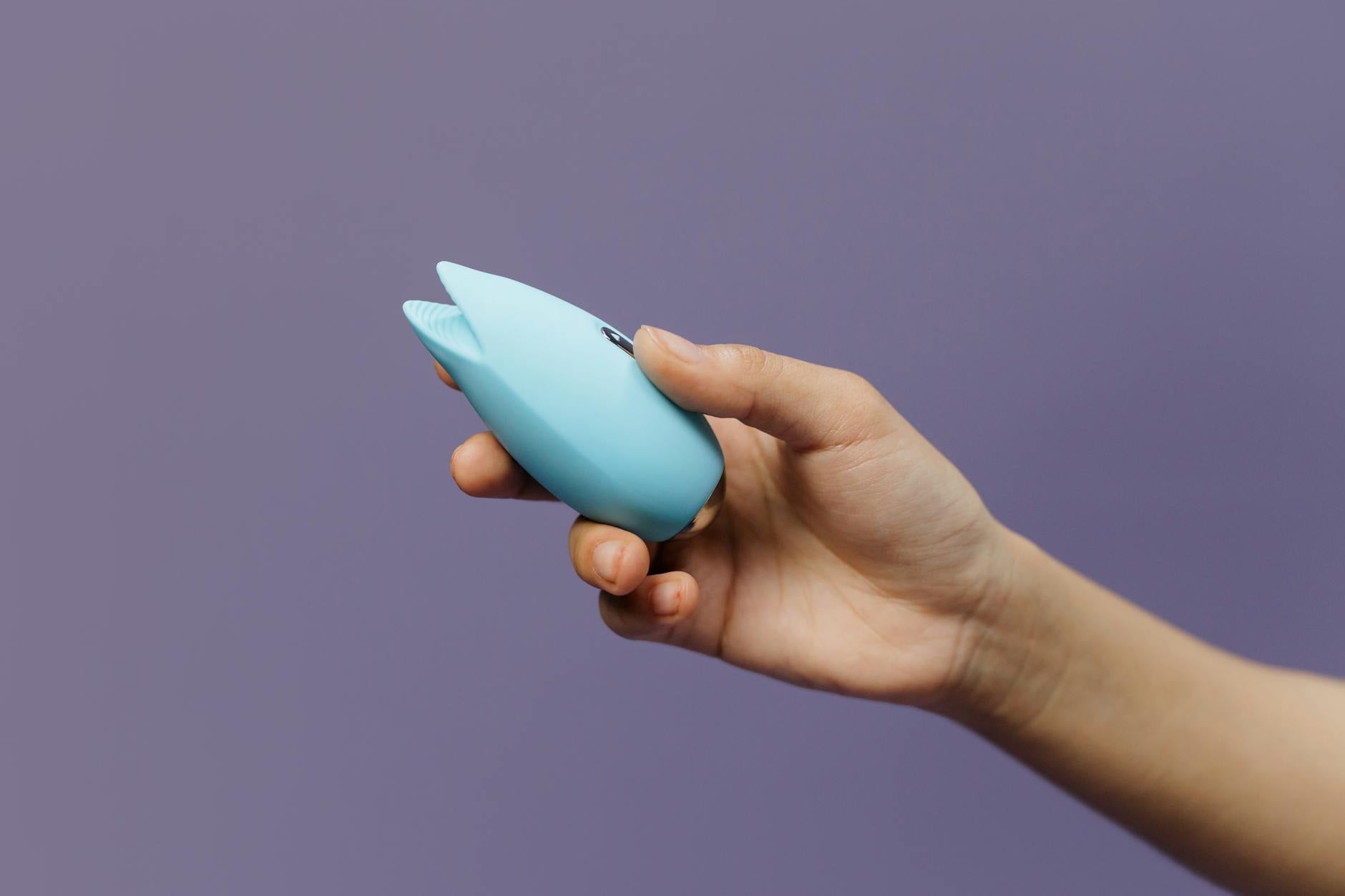
Here's the thing nobody tells you about pleasure and change
Your body is not static. Hormones fluctuate. Medications change. Surgery happens. Stress accumulates. After a major life shift—menopause, thyroid issues, antidepressants, cancer recovery, a breakup, even just aging—the way pleasure feels can feel completely foreign. That's not a problem with you. It's not a failure of desire. It's just biology.
What's wild is that most vibrators were designed for one static body type in one static hormonal moment. They don't adapt. But your pleasure needs to, because your body already is.
What actually changes when your body changes
Let's map it out. When you go through a major life transition—especially hormonal ones like menopause or perimenopause—tissue thickness decreases, lubrication shifts, and nerve sensitivity can feel muted or sometimes heightened and almost raw. Medications like SSRIs can numb sensation or make orgasm harder to reach. Surgery and illness change your pelvic floor tension. Stress literally shrinks the pleasure centers of your brain. These aren't failings. They're normal adaptations.
What doesn't change: the clitoral nerve network. Your brain's capacity for pleasure. Your right to feel good in your body.
The friction is that most vibrators—wands, rabbit toys, traditional vibrators—operate on a one-size-fits-all intensity model. They're loud, direct, and they assume you want immediate, maximum stimulation. If your tissue is sensitive or your arousal is slow to build, they feel harsh. If your sensation is muted, they feel like you're chasing stimulation you can never quite catch.
Lemon vibrators work differently. They use suction and pulsing instead of grinding friction. That changes everything for a body in transition.
Why suction-based lemon clitoral vibrators adapt better
I worked with a client last year who'd started an SSRI and felt like her pleasure had disappeared entirely. She came to me saying, "I don't want to feel broken." We talked through what sensation actually felt like now. She described it as "far away." Not gone. Just distant.
We switched her to a lemon vibrator—specifically the clitoral suction design. Within a week she texted me: "It's different. Slower, but it's there." Three weeks in, she said it was better than before the medication.
Here's why: suction-based stimulation engages the tissue differently than direct vibration. Instead of the toy moving back and forth against the clitoris (which can feel abrading if tissue is thin or sensitive), suction gently pulls and releases. It's more like the stimulation your body would receive from oral sex. For a lot of people going through hormonal changes, that feels less aggressive and more buildable.
The pulsing patterns on a lemon vibrator are also granular. You're not locked into "high" or "low." You're moving through 5 or 6 different intensities and wave patterns. If your sensitivity is fluctuating day to day—which it often does post-surgery or during hormonal transitions—you can start at pattern 1 and work upward instead of jolting your system with max intensity.
Life changes that shift how pleasure feels
Menopause and perimenopause. Estrogen and testosterone drop. Tissue thins. Arousal takes longer. Orgasms can feel different in shape and intensity. A lemon vibrator's slower ramp-up matches your body's actual pace. No forcing.
Antidepressants and mood medications. SSRIs especially can flatten sensation and make reaching orgasm feel like pushing a boulder uphill. But sensation isn't actually gone. It's muted. A more nuanced tool—one that doesn't demand immediate intensity—helps you find it again.
Thyroid disease. Hypothyroidism tanks energy and libido. Hyperthyroidism can make you feel wired and unable to relax into pleasure. Both mess with how your nervous system registers stimulation. A toy you can slow down and restart is way more forgiving than a fixed-intensity one.
Surgery and recovery. Hysterectomy, breast surgery, pelvic floor dysfunction repair—all of these change the landscape of sensation. Your pelvic floor is either tight from compensation or loose from surgery. A gentle, adjustable tool lets you work with your actual body, not against it.
Grief and emotional transitions. This one gets overlooked. When you're grieving—a relationship ending, a role changing, identity shifting—your nervous system is in a different state. Pleasure can feel numb or almost painful because your brain isn't resourced for it. You don't need intensity. You need something that meets you where you actually are.
The mechanics of why lemon vibrators work for transition bodies
Let me break down what's happening at the tissue level. When you're going through a major change, your parasympathetic nervous system—the one that says "it's safe to feel good"—is often overwhelmed. Your body might be flooded with cortisol. Your pelvic floor might be clenched. Your arousal system is trying to function in a state of partial lockdown.
A traditional vibrator adds more input. More noise. More demand. Your nervous system has to work harder to find pleasure in that chaos.
A lemon clitoral vibrator adds something different: control and gradation. You start at a low pulse. You build. Your nervous system can regulate its way up instead of being shocked into place. The suction sensation itself is also neurologically distinct from vibration. It activates different nerve pathways. For a lot of people in transition, those pathways are fresher, more responsive.
There's also the question of fatigue. After surgery or during illness, your body is tired. A high-intensity vibrator demands that you match its pace. With a lemon vibrator, you set the pace. You can use it for 20 minutes or 2 minutes. You can pause and restart. There's no performance pressure built into the toy itself.
How to use a lemon vibrator when everything feels different
Start lower than you think you need to. If you're used to a wand vibrator and you're coming to a clitoral suction toy for the first time, pattern 1 or 2 is not "boring." It's calibration. Let your tissue and your nervous system learn what's happening.
Wait longer between patterns than feels instinctive. Don't jump from 1 to 5. Move through 2, 3, 4, let your arousal actually build. This matters especially if sensation feels muted. You're not chasing an orgasm that might not come. You're practicing how to feel pleasure again.
Use lubricant. Not because you're broken, but because transition bodies often have different lubrication patterns. Water-based lube helps tissue glide and makes the suction sensation feel smoother instead of grabby.
If you're recovering from surgery, check with your doctor about the timeline before using any internal or external stimulation. But when you're cleared, a gentle external lemon vibrator is often gentler on healing tissue than a traditional vibrator.
If you're on medication that affects sensation, give it time. Your system might recalibrate after 6 weeks or 6 months. A toy that's adjustable means you can keep working with your body as it evolves.
The bigger picture: your pleasure isn't static either
One of the things I see people get stuck on is the idea that pleasure "should" feel a certain way. That orgasms should be fast, or intense, or the same as they used to be. Then when a major life change happens and everything feels different, they assume something's broken.
It's not. Pleasure is supposed to change. Your body is supposed to change. The goal isn't to recreate last year's sensation. It's to find what works for your body right now. That's actually richer territory than trying to force continuity.
A lemon vibrator—with its suction design, adjustable intensity, and pulsing patterns—is built for that kind of body autonomy. It says: "You lead. We adapt." That's a different relationship to your own pleasure than most vibrators offer.
Your body in transition is not your body in decline. It's your body in evolution. Tools that adapt with you matter.
FAQ: Life Changes and Lemon Vibrators
How long does it take to feel pleasure again after starting antidepressants?
There's no fixed timeline. For some people, sensation returns after 6-8 weeks as their body adjusts. For others, it takes longer—or it recalibrates to a different texture than before. A lemon vibrator helps because you're not fighting against intensity while you're also adjusting to medication. Start low, stay patient, and remember that muted sensation isn't the same as no sensation.
Can I use a lemon vibrator while recovering from gynecological surgery?
Always check with your surgeon first, but yes—most gynecological recovery timelines allow external clitoral stimulation after 4-6 weeks, once internal stitches are healed. A lemon clitoral vibrator is gentler than a traditional vibrator because suction doesn't apply the same direct pressure as vibration. Start at the lowest intensity and listen to your body. If anything feels wrong, stop.
Does a lemon vibrator help with pleasure after hormonal birth control changes?
Yes, often significantly. Birth control changes your testosterone and sometimes estrogen levels. That shifts arousal speed and orgasm intensity. Because a lemon vibrator lets you control the pace and intensity, you can work with your body's new rhythm instead than fighting it. Many people find they need longer warm-up time on new birth control. A tool that supports slower buildup is a game-changer.
What if my sensitivity feels painful instead of numb after my life change?
That's worth talking to a doctor about, especially if it's new. But if it's a post-surgical or post-hormonal shift that's been cleared by your provider, a lemon vibrator at its lowest intensity can sometimes help you recalibrate. The key is control. You're not forcing intensity. You're finding the threshold where stimulation feels good instead of raw. Start with 1-2 minutes at pattern 1, then rest. Build from there.
Can I use a lemon vibrator if I'm on multiple medications that affect sensation?
Definitely. In fact, you should. Multiple medications that dampen sensation mean your nervous system needs support finding pleasure through subtler channels. A toy that offers gradual buildup and adjustable intensity meets you where you actually are, not where you "should" be. There's no downside to using the most adaptable tool available.
How do I know if my pleasure changes are temporary or permanent?
Most major life changes—hormonal shifts, surgery, medication adjustments—come with a 3-6 month recalibration window. Your body is learning new patterns. By month 3-4, you'll have a clearer sense of what's shifting temporarily and what's more permanent. A lemon vibrator helps because it works across that entire adjustment period. You're not buying a tool that only works for one version of your body. You're buying a tool that grows with you as your body evolves.
The point
Your pleasure is not a fixed trait. It's responsive to your body's changes—hormonal, physical, emotional, chemical. Most vibrators ignore that. They're built for a static body with static desires. A lemon clitoral vibrator is built for the body you actually have right now, and the body you'll have next month when things shift again. That's not a compromise. That's precision.
If you're noticing your pleasure feels different after a major life change, that's not a sign to give up. It's a sign to reach for a tool that adapts. Learn more about how lemon vibrators work, or reach out to us if you want to talk through which intensity level might work best for where you are right now.