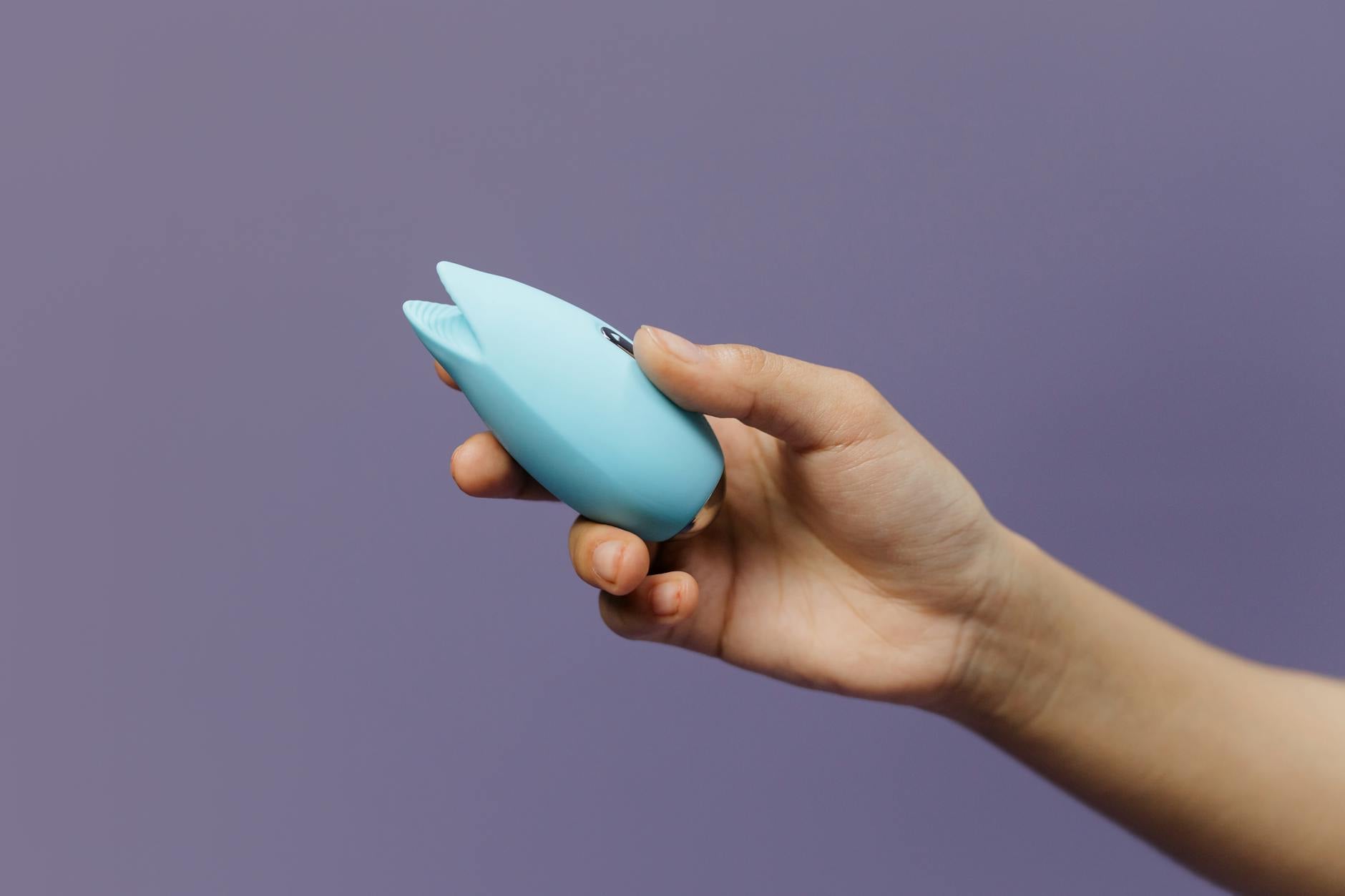
If your skin reacts to most vibrators, you're not alone
Sensitive skin isn't just a skincare problem. It's a pleasure problem too. Irritation, redness, micro-tears, and burning sensations after using vibrators are more common than most people realize, especially for those with reactive skin, eczema, psoriasis, or a history of allergies.
The good news: lemon vibrators made from medical-grade silicone are specifically designed to feel gentler. Here's what actually happens when sensitive skin meets the wrong vibrator, and why lemon clitoral vibrators solve it.
The material problem (and why it matters)
Most vibrators sold online are made from either jelly rubber, PVC, or low-grade silicone. These materials contain chemicals and additives that leach into sensitive tissue. Jelly rubber especially breaks down over time, releasing phthalates and plasticizers that sting, inflame, or cause allergic reactions. If you've ever used a vibrator and felt burning, itching, or swelling afterward, the material was probably the culprit.
Medical-grade silicone is nonporous, hypoallergenic, and inert. It doesn't absorb bacteria. It doesn't leach. It stays chemically stable no matter how often you use it or how you clean it. For sensitive skin, this matters enormously.
Lemon vibrators are manufactured from body-safe silicone that's been tested for purity. The Lemon, for example, meets FDA standards for medical devices and is free of phthalates, latex, and harmful additives. Your delicate tissue won't react the way it would to a toy made from cheaper material.
Why silicone texture makes a real difference
Beyond material safety, silicone has a surface texture that matters for sensitive skin. Silicone is smooth at the microscopic level, which means fewer micro-abrasions. When you use a vibrator made from rougher materials or coated in a cheap finish, every vibration creates tiny friction injuries that accumulate.
With sensitive skin, you're starting from a baseline of inflammation. Adding vibration-induced friction on top just stacks the irritation. Silicone's inherent smoothness minimizes that extra damage.
The texture also affects how lubricant behaves on the surface. Silicone holds water-based lube in place rather than absorbing it, which means better glide with less reapplication. Less friction, less wear on tissue, less irritation.
How the Lem's design specifically helps sensitive skin
Lemon vibrators, particularly clitoral vibrators, use air-suction technology rather than traditional buzzing vibration. This is huge for sensitive skin because suction distributes pressure differently. Instead of thousands of vibrations hitting one concentrated spot, suction creates a gentler, broader stimulation pattern that feels more like massage than percussion.
The Lem's curved design also means you're not applying vibration directly to your most sensitive tissue. The opening sits just off the clitoris, pulling gently rather than battering the nerve endings directly. For people with reactive skin, this difference is transformative.
Air-suction vibrators also don't require the same lubrication quantity as traditional vibrators. Less dependence on lube means less friction, which is a real win if your skin flares up easily.
The preparation routine that prevents irritation
Here's what I recommend to clients with sensitive skin before using any lemon vibrator.
Step one: cleanse gently. Use warm water only, or a gentle, fragrance-free cleanser specifically designed for intimate areas. Soap residue and fragrance chemicals will inflame skin before the vibrator even touches you.
Step two: pat dry completely. Moisture is fine, but standing water or sweat can create a breeding ground for irritation. A soft cotton cloth or disposable cloth works.
Step three: apply lube to the toy, not your body. Water-based lube on the silicone creates a barrier between your skin and the surface. This reduces direct friction even more. Apply a generous amount. More is genuinely better here.
Step four: start on the lowest setting. Even if you normally use higher patterns, dial it back. Your sensitive skin needs a break-in period of three to five uses before you can safely explore higher intensities.
The warm-up that changes everything
Warmth increases blood flow to the area, which makes tissue more elastic and less prone to micro-tears. Before using a lemon vibrator, spend 10-15 minutes on foreplay that genuinely arouses you. Mental arousal, not just physical touch, matters here.
If your skin is particularly reactive on certain days (post-workout, post-shower, post-heat exposure), give those days a skip. Your skin has a stress baseline. Adding vibration on days when that baseline is already high just invites inflammation.
Consider using a lemon vibrator at night rather than immediately after other physical activity. Your skin will be calmer, and you'll have time to rest afterward rather than putting clothes back on irritated tissue.
Duration and frequency: less is better, at first
Many people think longer sessions equal better results. For sensitive skin, the opposite is true. Start with 5-10 minute sessions, two to three times per week. This gives your skin recovery time between uses.
After two weeks of symptom-free sessions, you can extend to 10-15 minutes if you want to. But honestly, sensitivity-prone skin often improves faster with shorter, more frequent sessions than it does with marathon sessions once a week.
If you feel any burning, stinging, or swelling during use, stop immediately. Rinse gently with warm water and pat dry. Apply a fragrance-free moisturizer designed for sensitive skin (not coconut oil, which can be comedogenic). If irritation persists beyond a few hours, see a dermatologist.
Post-use care that matters
What you do after is as important as what you do during. Rinse the toy thoroughly with warm water immediately after use. Unlike other materials, silicone doesn't trap residue, but lube buildup can still happen.
For your body, rinse gently with warm water. Skip soap unless you genuinely need it. Pat dry, wait 5-10 minutes, then apply a hypoallergenic moisturizer. This seals the skin barrier while it's still slightly damp, which locks in hydration.
If you use the toy more than once in a day, give at least 4-6 hours between sessions. Your skin needs time to recover its natural pH and moisture balance.
Why switching to lemon clitoral vibrators often solves the problem
I've worked with countless clients who thought they were allergic to vibrators entirely. They switched to a medical-grade silicone lemon vibrator with air-suction technology, followed the prep routine above, and had zero irritation for the first time. It wasn't their bodies that were the problem. It was the toy.
If you've had bad experiences with vibrators in the past, that history doesn't predict your future. The right tool, used correctly, makes all the difference. How Lemon Vibrators Help When You Need a Gentler Touch During Recovery digs deeper into recovery-specific care, and Why Lemon Clitoral Vibrators Work Better for Sensitive Tissue After Hormonal Changes covers how hormonal shifts affect skin reactivity.
When to see a dermatologist
If you prepare properly, use a body-safe toy, and still experience persistent burning, swelling, or rash after two weeks of use, see a dermatologist. Sometimes irritation points to contact dermatitis (an allergy to something in the lube, not the toy), or occasionally something like vulvovaginitis that needs actual treatment.
A dermatologist can also help identify whether your skin is reacting to the toy itself or to an underlying condition that makes all stimulation challenging. Either way, they can recommend specific products and techniques tailored to your skin's needs.
FAQ
Can I use any water-based lube with a lemon vibrator?
Water-based lubes are the safest choice for silicone, but quality matters. Avoid lubes with glycerin, propylene glycol, or parabens if your skin is sensitive. Brands like Sliquid, Coconu, and System Jo make hypoallergenic formulas specifically for reactive skin. Test the lube on a small patch of skin first if you're unsure.
What's the difference between a lemon vibrator and a regular clitoral vibrator?
Lemon vibrators typically use air-suction technology, which is gentler than traditional buzzing vibration. They're also made from medical-grade silicone and designed with curves that distribute pressure across a wider area rather than targeting one spot intensely. For sensitive skin, these design features make a real difference.
How often can I safely use a lemon vibrator if I have sensitive skin?
Start with two to three times per week for the first few weeks. As your skin adapts and shows no signs of irritation, you can increase to daily use if you want. Listen to your body. If irritation returns, dial it back.
Do I need to use lube every time I use a lemon vibrator?
Yes, especially with sensitive skin. Even if your body produces plenty of natural lubrication, adding a water-based lube creates an extra protective barrier between the silicone and your skin. It also reduces friction, which is the main culprit in irritation.
What's the best lube for sensitive skin with a lemon vibrator?
Hypoallergenic, fragrance-free water-based lubes work best. Avoid lubes with flavoring, warming sensation, or added scents. Plain, simple, uncolored formulas are safest. Brands that specialize in sensitive skin lubes are your best bet.
If I feel irritation, should I stop using vibrators altogether?
Not necessarily. Irritation usually means either the toy material isn't body-safe, your preparation routine needs adjustment, or you're not using enough lube. Before you give up, try switching to a medical-grade silicone lemon vibrator, follow the prep steps outlined above, and give it two weeks. Most people find that the right toy and technique solve the problem entirely.
Your skin deserves care, not compromise
Sensitive skin doesn't mean you can't have pleasure. It means you need the right tool and the right approach. Lemon vibrators are engineered specifically for this. Medical-grade silicone, thoughtful design, and proper technique work together to give you stimulation without the aftermath of irritation.
Your body's signals matter. If something doesn't feel right, adjust. If a toy isn't working for you, try a different one. And if you want personalized guidance on finding what works for your specific skin and body, reach out. You deserve pleasure that feels good during and after.