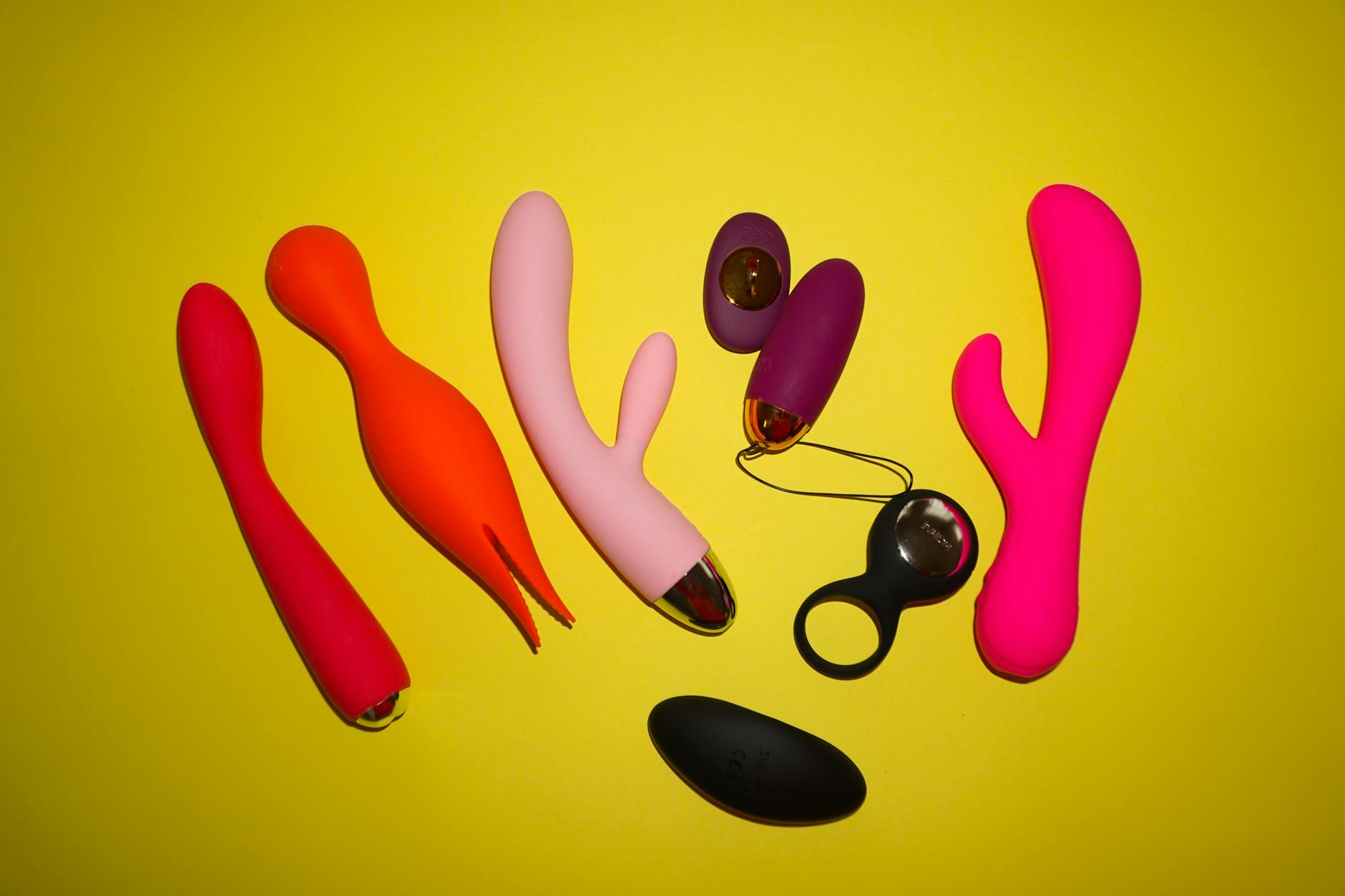
Let's name the fear first
You want to bring a lemon vibrator into your intimate life. But there's a voice in your head (or your partner's) saying: "If you need that, what does that say about me? About what I can do for you?" And suddenly, a tool becomes a referendum on the relationship itself. Which is exactly backward.
Here's what I've seen in twenty years of couples therapy. The vibrator isn't the problem. The conversation you're avoiding is.
Why introducing a lemon clitoral vibrator feels like a threat
Most of us were raised with a deeply embedded story: orgasm is a gift your partner gives you. Your body's pleasure is performance feedback on their skill, attractiveness, effort. So when you say "I want to use a lemon vibrator," what your partner hears (often without you saying it) is "You're not enough." That's not what you mean. But the cultural script runs deep.
Add to that the biological reality. Clitoral vibrators like the Lem work differently than hands or bodies. They access a specific kind of stimulation that creates a specific kind of pleasure. For many people, especially those over 30 or 40, a good clitoral vibrator produces orgasms that feel impossible without it. That's not a failing on your partner's part. That's your nervous system being more precise about what it needs.
But try explaining neurophysiology during a vulnerable moment. It rarely lands.
The reframe that changes everything
Here's what I tell couples in session. Replace "I need a vibrator because you're not enough" with "I want to explore what my body can do, and I want you there with me." The difference is subtle. The impact is enormous.
A lemon vibrator isn't a replacement for your partner. It's an addition. It's a tool that lets you experience a sensation your partner's body can't physically create. Your hand can't vibrate at 80 pulses per second. Their fingers, no matter how skilled, aren't going to produce that exact suction pressure. That's not a shortcoming. That's just physics.
What the vibrator can do is give you access to a type of pleasure that might open new pathways in your relationship. You get to feel something new. Your partner gets to witness it. That's not comparison. That's collaboration.
Three conversation starters that actually work
Option 1: Lead with curiosity, not request. "I've been reading about lemon clitoral vibrators. Have you heard of them? I'm wondering if we could try one together." Notice: you're inviting them into the exploration, not handing them a demand.
Option 2: Separate pleasure from partnership. "This isn't about what you're doing wrong. My body is asking for something specific, and I trust you enough to explore it with me." This acknowledges their fear directly while reassuring them of your partnership.
Option 3: Make it collaborative from the start. "I'm thinking about trying a vibrator. Would you want to pick it out together? Or would you rather I surprise you?" When they have agency in the decision, the threat dissolves. It stops being something that happened to them and becomes something you chose together.
What happens when you introduce it together
Let's say you've had the conversation. Your partner is on board, or at least willing. Now what?
Start outside the bedroom. Let them hold the lemon vibrator. Let them feel how it works, see the different patterns, understand the tool before it's involved in intimacy. Demystification kills anxiety. When they know exactly what it does and doesn't do, the imagined threat shrinks.
When you do use it together for the first time, keep it playful. Low stakes. Maybe they hold it while you guide. Maybe they control the pattern while you focus on sensation. Maybe they're just present, watching, learning what makes you respond. The point isn't performance. It's presence.
Many couples find that introducing a lemon sucker or lemon clitoral vibrator actually deepens their connection. You're being vulnerable. You're asking for what you want. You're letting your partner see you pursue your own pleasure. That's intimate in a way that has nothing to do with performance and everything to do with trust.
When your partner is still worried
Sometimes the conversation is gentle and the fear persists. That's normal. It doesn't mean you're doing anything wrong.
If your partner is struggling, here are three things that help. First, reassurance that's specific, not generic. Not "You're amazing," but "I chose you. I want this with you. I'm not comparing." Second, create clear boundaries around the vibrator. Maybe it's only used together. Maybe it's only during certain kinds of intimacy. Rules reduce uncertainty. Third, check in afterward. "That felt good. I liked having you there. This brought us closer." Don't assume the experience spoke for itself.
If the anxiety goes deeper if it's tied to broader fears about desire, attraction, or sufficiency in the relationship then that's couples therapy territory. Sometimes a vibrator is just a vibrator. Sometimes it's the surface issue that points to something worth exploring together with professional support.
The unexpected benefit no one talks about
Here's what happens when couples navigate this conversation well. They practice asking for what they want. They practice hearing a request without taking it as criticism. They practice separating their partner's pleasure from their own self-worth. Those skills transfer everywhere. To finances. To household labour. To conflict.
Introducing a lemon vibrator as a couple isn't just about better orgasms. It's about building a relationship where both people can name their needs and trust the other person to receive them without shame.
When you're ready to actually use it
Start slow. Use it during foreplay, not as the main event. Let your partner see that it's enhancing what you already do together, not replacing it. Many people find that using a clitoral vibrator while their partner is inside them, or while they're being touched elsewhere, creates a sensation that neither could produce alone. That's the real magic. Not vibrator versus partner. Vibrator plus partner.
If penetration isn't part of your intimacy, the principle is the same. The vibrator is one tool in a larger toolkit. It's an addition to the repertoire, not a subtraction from what you were already doing.
Timing matters more than you think
Don't introduce the lemon vibrator conversation when someone's stressed, tired, or already feeling insecure. Don't make it a surprise (that rarely goes well). Don't frame it as a last resort ("I need this because things haven't been working"). Frame it as an expansion. "I want more pleasure in my life. I want to share that with you. Here's a tool that might help."
Give the conversation room to breathe. Have it outside the bedroom. Let your partner sit with it for a few days before you expect enthusiasm. Sometimes people need processing time before curiosity kicks in.
The permission you probably need
Your pleasure is allowed to be specific. Your body is allowed to want things. You're allowed to introduce tools that help you feel good. And introducing those tools doesn't diminish your partner or your relationship. It deepens it, because it's honest.
Many people use Hello Nancy's lemon clitoral vibrators as a couples tool, and the ones who get the most out of it are the ones who've had the vulnerable conversation first. Who've named the fear and moved through it together. If you're still unsure how to start, that's what couples therapists are for. If you're ready to explore, the conversation is the real first step.
Frequently Asked Questions
Can using a lemon vibrator during sex hurt my partner's feelings?
Not if you've communicated. The vibrator isn't personal. It's a tool. Your partner might feel left out or insecure if they weren't part of the decision, so include them from the start. Most couples find that using it together actually brings them closer because it involves vulnerability and trust.
Should I ask my partner's permission before buying a lemon clitoral vibrator?
Yes, ideally. Or at minimum, have a conversation before you use it together. Surprising someone with a vibrator during sex is rarely the positive surprise people imagine. A conversation first, then a joint decision about which one, gives everyone agency. That matters.
What if my partner thinks a vibrator means I don't want them?
That's the core fear, and it needs a direct answer. Tell them: "That's not what this means. I want more pleasure in my life, and I want to share that with you. This is an addition, not a replacement." Then show them through your actions. Use it together. Let them be part of the experience. Reassure them afterward. Consistency and presence dismantle the fear faster than words alone.
Is it normal to feel anxious about introducing a lemon sucker to my partner?
Completely. You're proposing something vulnerable. You're asking them to expand their idea of what intimacy looks like. That takes courage. Your anxiety doesn't mean you shouldn't do it. It means you're aware of how much this matters, which usually means you'll approach the conversation with care.
What if we introduce a lemon vibrator and it doesn't feel good?
Stop. Don't push through. Maybe the timing wasn't right. Maybe the tool doesn't work for your body. Maybe you both need to adjust expectations. There's no failure here. You tried something, it didn't land, you move on. That's how couples learn what works.
How do I know if we're ready as a couple to use a vibrator together?
When you can talk about sex without shame. When you can ask for what you want without it feeling like criticism. When you trust that your partner wants your pleasure as much as their own. Those conversations don't have to be perfect. They just have to be honest.