Let's be honest about the elephant in the room
Introducing a vibrator early in a new relationship feels loaded. You're worried it signals something about them, or about you. You're worried they'll think you don't need them. You're worried they'll feel like they're not enough. Here's what I hear from couples over and over: none of that worry moves the needle on pleasure, and all of it gets in the way.
The real issue isn't the vibrator. It's that we've bundled pleasure with performance, and we've made it shameful to ask for what works. A lemon clitoral vibrator isn't a backup plan. It's a conversation starter about what actually gets both of you there.
Why new relationships are actually the perfect time
Countintuitive, but true. Early on, you're already negotiating everything else. What you like to eat. How you sleep. What time you actually wake up. Adding "here's what my body responds to" into that mix feels less fraught than introducing it three years in, when patterns have calcified and vulnerability feels riskier.
New relationships also have built-in permission to explore. You don't know each other's bodies yet. You're still curious. A lemon vibrator isn't an indictment of your partner's technique. It's a tool to figure out what you both like.
Another thing: orgasms with a partner often feel different than solo orgasms, especially early on. Nerves, newness, the cognitive load of performing. A clitoral vibrator levels that playing field. It gives your nervous system a different type of stimulus, which means you're not fighting your own brain to get there.
The conversation itself (how to actually say this)
Forget the "we need to talk" opener. That signals crisis. Instead, bring it up when you're already intimate, or post-sex when everything feels open and safe.
Here's the shape of it: "I've noticed my body responds really well to direct clitoral stimulation. I want to figure out how we can get there together. I'm thinking a lemon vibrator might help both of us feel less pressure."
Notice what you're NOT saying: "You're not doing it right." "I need more." "Nothing else works." You're reframing it as a joint exploration, not a deficit.
If they seem hesitant, ask why. Listen without defending. Often the resistance has nothing to do with you and everything to do with their own baggage. Maybe they grew up thinking vibrators were cheating. Maybe they're worried about their own performance. Your job isn't to convince them. It's to create space for the actual conversation.
If they're enthusiastic right away, great. If they need time, give them space. Some people need to sit with a new idea before they can embrace it.

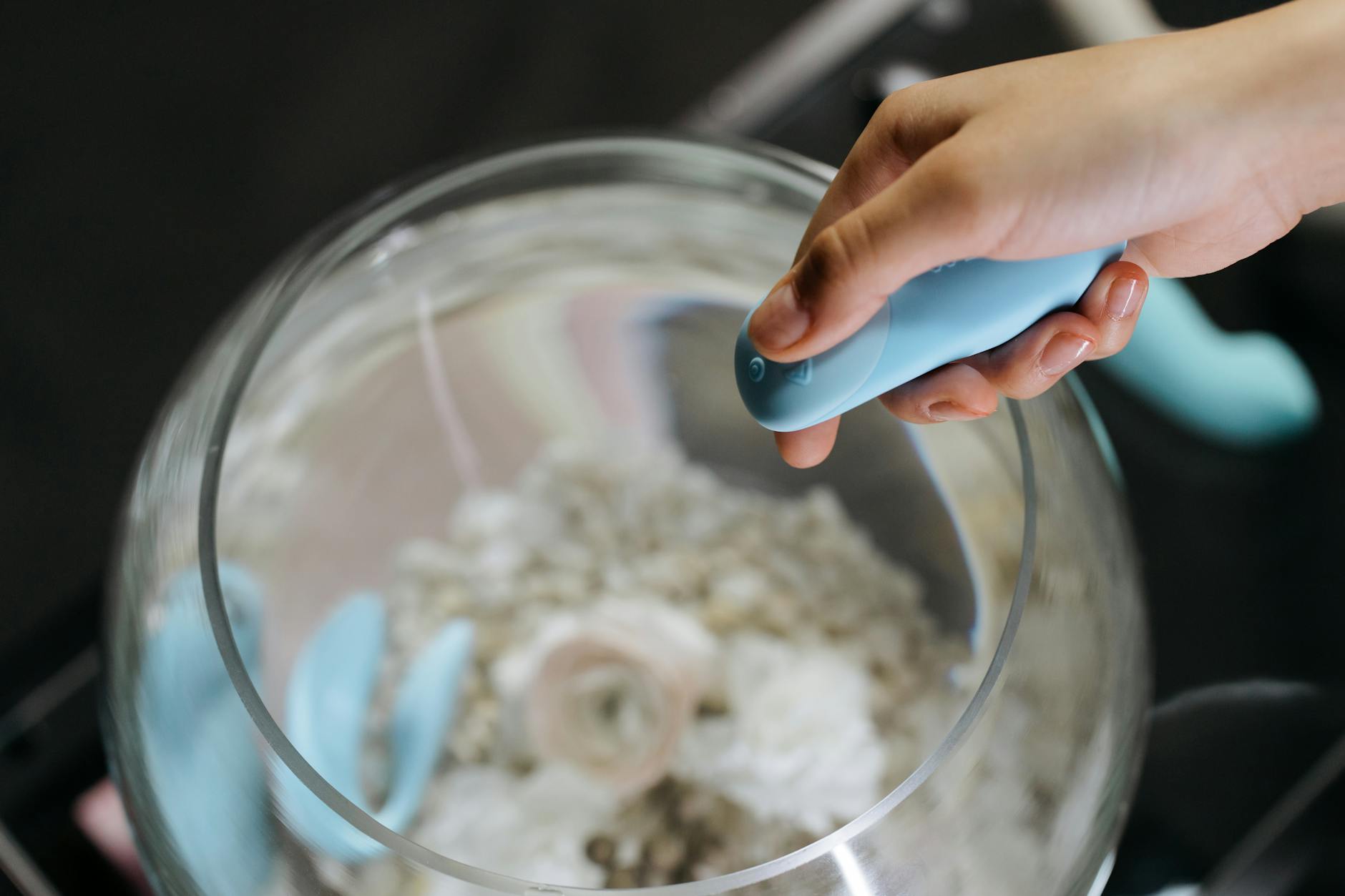
Photo by cottonbro studio on Pexels
The first time using lemon vibrators together
Start small. You're not introducing the vibrator as the main event. You're weaving it in. Start with partnered touch, get aroused together, then introduce the lemon vibrator as one tool in the toolkit.
Hand it to them first. Let them feel the weight, the texture, the vibration pattern. Demystify it. If they're holding it, they're not watching it do something to you. They're understanding how it works.
Then use it together. Your partner can hold it while you guide their hand. You can hold it while they watch and touch you elsewhere. The point is: it's collaborative, not a solitary thing happening next to them.
Start on lower intensity. You know your body. They don't. Lower settings feel less intense and give you both time to adjust to the sensation. You can always turn it up.
Don't make it weird if it takes longer than usual. New stimulus, new dynamic, new nervous system state. All of that affects timing. That's not failure. That's biology.
Why the Lem works particularly well early on
Lemon clitoral vibrators like the Lem use suction and air-pulse technology rather than traditional vibration. That matters because suction feels gentler and more diffuse than direct buzz. It's harder to "oversensitize" with suction, which means less pressure on both of you to perform. You can enjoy it without feeling like you're fighting against the sensation.
The shape also matters. A lemon vibrator is small, ergonomic, and doesn't look threatening. Partners who are new to vibrators often respond better to something that feels like a tool, not a replacement.
Managing the pressure (the real challenge)
Here's what actually derails new couples using vibrators together: they turn it into a performance metric. "Does this work?" becomes "Am I doing this right?" becomes "If it doesn't lead to orgasm, I've failed."
That's the trap. Orgasm isn't the finish line. Pleasure is. Different nights, different outcomes. Some nights a lemon vibrator gets you there in three minutes. Some nights it's part of a longer journey. Both are fine.
If orgasm doesn't happen, that's data, not failure. Maybe you need different foreplay. Maybe your partner needs a break. Maybe the timing is off. The point of using a clitoral vibrator together is to remove shame from asking for what feels good, not to hack your way to guaranteed orgasms.
I also recommend separating the vibrator use from the rest of sex sometimes. Some nights, just use it together with no expectation of penetration or any particular endpoint. That takes pressure off and lets pleasure just be pleasure.
What to do if they're still resistant
Resistance isn't always a dealbreaker. Sometimes it's just a timeline issue. People who grew up thinking vibrators were shameful or "unnatural" need time to sit with the idea.
You could try framing it differently: "I want us both to feel good. Help me understand what's making you uncomfortable." Often, it's not really about the vibrator. It's about fear of comparison, or worry that wanting this means something is wrong, or they were taught that real desire should be spontaneous.
But here's the thing I tell couples: if someone refuses to engage with what actually brings you pleasure, that's information about the relationship. Not a disaster. Just information. Early on, it might be a sign you're not as compatible as you thought. Or it might be a sign you need to have deeper conversations about vulnerability, shame, and what you both actually want.
If you're using lemon sexual toys together and your partner is on board, you're already further ahead than most couples. You've named something vulnerable. You've made it collaborative. That foundation matters more than the vibrator itself.
After the conversation shifts
Once you've used a lemon vibrator together a few times, something changes. You've demystified it. You've proven that pleasure is a shared project, not a performance. You've shown each other what actually works.
That foundation makes everything easier. Partner anxiety decreases. You stop apologizing for your body's needs. Sex becomes less about proving something and more about exploring together.
As you move forward in the relationship, keep checking in. What felt good three months ago might feel different now. New vibrators, different approaches, shifting needs. That's the whole point. You're building a language together.
People also ask
Is it weird to bring up a vibrator with someone you just started dating?
Not at all. New relationships are built on conversations about preferences. You talk about what you like to eat, how you sleep, what you need emotionally. Pleasure fits right into that. The framing matters. Make it about exploration, not about fixing something broken.
Will my partner think I'm not satisfied with them if I suggest a lemon vibrator?
Maybe, if you frame it that way. That's why the conversation matters. You're not saying "you're not enough." You're saying "my body responds to this specific stimulus, and I want us to figure out how to include it together." Those are different conversations.
Can I use a lemon clitoral vibrator during partnered sex?
Absolutely. Many people use them during penetration, during oral sex, or as foreplay. Talk about placement and timing beforehand so it doesn't surprise anyone.
What if the vibrator makes it take longer to orgasm with a partner?
That's common early on because you're adjusting to a new sensation and dynamic. It typically normalizes as you get used to it. If it persists, talk about it. Maybe lower intensity. Maybe different timing. Maybe your nervous system just needs longer. None of that is wrong.
How do I bring up vibrators if we've already been intimate without one?
Honestly? The same way. "I've been thinking about what gets me there, and I want to try something." It doesn't require a relationship reset. Just a conversation.
Is using lemon sexual toys together a sign of a healthy relationship?
It's a sign of communication and mutual curiosity. That's half the battle. The other half is whether you're kind to each other, handle conflict well, and actually listen. The vibrator is just a tool. The relationship health is in how you use it together.
The actual bottom line
Introducing a lemon vibrator in a new relationship isn't risky. Avoiding the conversation is. You're avoiding it because you've internalized the idea that pleasure is something that should happen naturally, without tools or negotiation. That's a myth that costs you years of mediocre sex.
Your body knows what it needs. Your partner's willingness to learn that with you is what matters. A lemon vibrator, a lemon clitoral vibrator, any clitoral vibrator, is just the thing you're using to have that conversation. The real gift is showing each other that pleasure is worth talking about, worth exploring, worth prioritizing together.