Let's name what's actually happening
You used to feel things. Now you don't. Not all the time, maybe, but enough that you've noticed. Your partner touches you and it registers like a text from someone you don't really know. A vibrator that used to make you come now feels like background static. That specific spot that always worked? Suddenly distant. And the worst part is the creeping thought that this is just how it's going to be now.
Here's the thing. Numbness isn't a permanent condition. It's a symptom. And symptoms have causes.
Why sensation disappears (the real reasons)
Reduced sensation during sex can come from a dozen different sources. Medication side effects are common. Antidepressants, antihistamines, blood pressure drugs, and certain contraceptives all mess with nerve sensitivity and blood flow. Hormonal changes do it too. Menopause, perimenopause, hormonal IUD, thyroid dysfunction. Low testosterone. All of these rewire how your nervous system talks to your genitals.
But here's what doesn't get talked about enough: stress, anxiety, and relationship tension tank sensation faster than almost anything else. When you're preoccupied, your body doesn't prioritize blood flow to your genitals. It's a survival mechanism. Your nervous system is literally saying "now is not the time to feel pleasure, we need to stay alert." You can't think yourself out of it. You can't relax hard enough to fix it. But you can create conditions where your body feels safe enough to light up again.
Other culprits include nerve damage or compression (usually from the pelvic floor being chronically tight), poor circulation, depression, hormonal imbalances, and sometimes just overuse without enough recovery time. The point is: your body isn't broken. It's responding to something.
The clitoral vibrator advantage when sensation is muted
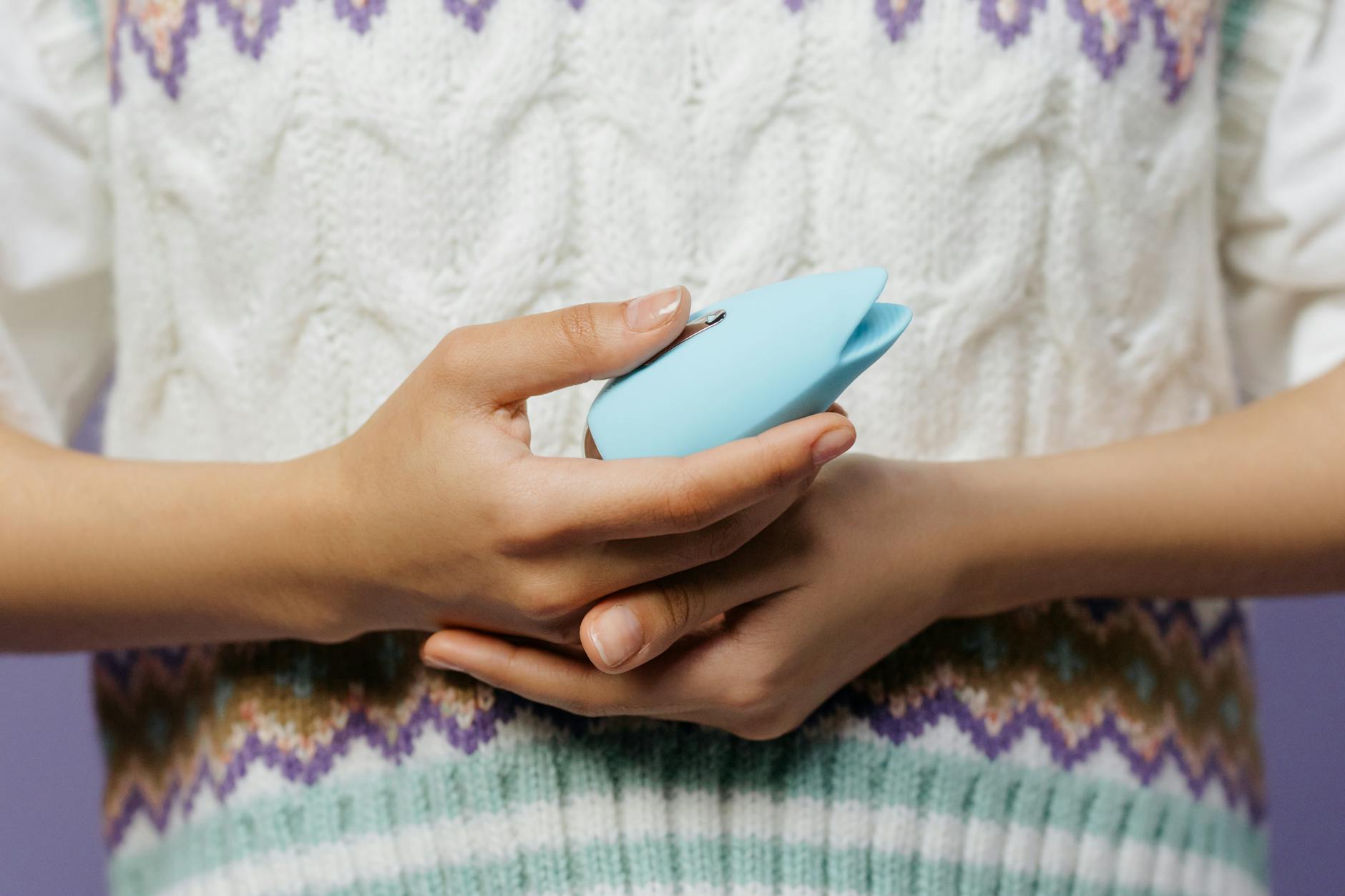
This is where lemon clitoral vibrators become genuinely useful. When regular touch feels like nothing, a good suction-based vibrator does something different than traditional vibration. It stimulates the entire clitoral network all at once, using pressure and motion instead of direct friction.
Why that matters when you're numb: your sensory nerves are still there. They're just not firing. A lemon vibrator's suction pattern can bypass the "I don't feel anything" static and reach the nerve endings that are still responsive. It's not about going harder or faster. It's about changing the signal so your body registers it as distinct stimulation.
Many of my clients report that when they've felt numb or distant for months, using a lemon clitoral vibrator is the first time they've felt localized, directional pleasure in years. Not because they were broken. But because suction stimulation wakes up different pathways than fingers or traditional vibrators.
Starting the conversation with your body again
If numbness has been around for a while, you've probably built some anxiety on top of it. "Will this ever work again?" becomes a question you ask yourself before anything even starts. That anxiety itself kills sensation. So the first step isn't using the vibrator. It's deciding that you're allowed to be curious about your body without expectations.
Set a specific time. Not when you're tired or rushing. Not when your partner is waiting. Thirty minutes alone, no goal. The goal of having no goal.
Start with the lemon vibrator on the lowest setting, away from your genitals entirely. Hold it in your hand. Feel the motion. Put it on your inner arm. Your neck. Your thigh. This isn't weird or wrong. You're basically asking your nervous system to remember that you have sensation at all.
Wait a few minutes between different spots. Your body needs time to register contrast. Numb skin needs the comparison of "not being touched" to recognize "being touched."
Once you've done that for three or four sessions, move closer. Inner thigh. The outside of your genitals. No penetration, no goal of arousal. Just exposure and curiosity.
When to apply direct stimulation
The temptation is to rush here. Don't. Your nervous system responds to patience.
When you do use the lemon vibrator on your clitoris, start on the absolute lowest setting. The Lem, for example, has five intensity levels. Most people jump to level three and wonder why it doesn't work. If you've been numb, level one is where you start, and you stay there for multiple sessions.
Position it directly on the clitoris. Suction vibrators work best with full contact. If you're numb, pressure can actually help. The suction creates a seal, and that sustained pressure plus the pulsing motion is often what breaks through numbness better than anything else.
Stay on one setting for five to ten minutes. Your body needs time to wake up. Arousal doesn't have to happen in a rush when you're rebuilding sensation.
If nothing happens, that's completely normal. You're rewiring. It takes multiple sessions. Many women report that the first few times using a vibrator after a period of numbness feel almost nothing, but by session five or six, something shifts.
What to do if your partner is involved
If you're in a relationship, your partner needs to understand that numbness isn't about them. It's not that they're not attractive or you don't want them. It's a body thing. And it's fixable, but not if they're waiting for results or watching to see if it works.
The solo exploration part comes first. Once you've regained some sensation on your own, partnered touch becomes part of rewaking your pleasure. But trying to do this in front of your partner while you're already anxious about numbness is like trying to fall asleep while someone waits to see if you fall asleep.
Talk to them about what you need. "I need to explore this alone for a while. This has nothing to do with how I feel about you. Once I'm feeling more connected, we'll rebuild this together." A partner who loves you will get it. One who doesn't might be revealing something else that needs attention.
The role of lubrication and positioning
Water-based lube isn't optional here. Numbness often comes with reduced natural lubrication anyway, especially if hormones are involved. Using lube isn't a sign of failure. It's a practical tool that helps your body register sensation more clearly.
Apply it generously. Your clitoris should feel slick, not sticky. This reduces friction and allows the suction motion of the vibrator to work properly.
Position matters too. Lying on your back, legs slightly apart, propped up on a pillow so you can see what's happening. Visibility reduces the detachment feeling. You're not hiding from yourself.
Some people find that kneeling or sitting, where they can use their own hand to position the vibrator, gives them more control and more sense of agency. Agency matters when you're trying to rebuild trust in your body.
When to check in with a doctor
If numbness has been ongoing for months despite trying these approaches, it's worth getting checked. Not because you're broken, but because some causes benefit from targeted treatment.
If medication is the culprit, your doctor might adjust your dose or switch you to something with fewer sexual side effects. If it's hormonal, there are treatments. Low testosterone can be addressed. Thyroid issues, the same. If your pelvic floor is locked, a pelvic floor physical therapist can teach you how to release it.
These aren't "sex-specific" doctors. These are your regular GP, your gynecologist if you have one, or a therapist trained in sex-related issues. Some numbness needs medical support. Some needs what you're already doing. Most benefit from both.
The timeline for rewaking sensation
Here's what I tell my clients: expect four to six weeks before you notice a real shift. Your nervous system is slow to rewire. It's not lazy, it's just conservative. It's been protecting you from disappointment. Waking it back up takes repeated, consistent, low-pressure exposure.
Some people feel something shift within two weeks. Some take three months. Both are normal. The worst thing you can do is treat this like a deadline. "If it doesn't work by week four, I'm giving up." That's just anxiety in a timeline suit.
Keep a simple note. Not a diary. Just a note. "Day five, used vibrator for ten minutes, felt a slight tingle on session three." Or "Day sixteen, nothing yet." Not because you need to track progress like data, but because your brain will convince you nothing is changing even when it is. Paper doesn't lie.
How numbness connects to bigger patterns
Here's what I see again and again. Numbness doesn't happen in a vacuum. It usually arrives with other stuff. Relationship stress. Work pressure. Unresolved conflict with your partner. Depression. The body is honest. It stops responding when the mind isn't safe.
That's not to say your numbness is "just in your head." The numbness is real. But the cause might be bigger than a physiological glitch. If you're using the lemon vibrator and nothing's changing after eight weeks, it might be worth asking what else is muted in your life. Are you speaking up? Do you feel heard? Is your relationship actually meeting your needs?
Sometimes rewaking sensation means doing harder work first. Sometimes it means that once you address the relationship piece, sensation comes back on its own.
People also ask
Can numbness from antidepressants go away?
Yes, but usually not on the medication's own timeline. If sexual side effects are bothering you, talk to your prescriber. Adjusting the dose, timing it differently, or switching to a different class of antidepressant can help. Some people also find that supplementing with bupropion or using additional tools like a lemon clitoral vibrator makes the existing medication more workable. The point is: don't just accept it as the price of mental health.
Will a lemon vibrator help if my numbness is from hormonal changes?
Often yes, but not as a standalone fix. Hormonal numbness usually needs two approaches at once. Address the hormonal piece through a doctor or hormone specialist. Simultaneously, use tools like a lemon vibrator to keep stimulating your nerve endings and maintaining blood flow. When hormones eventually rebalance, your nervous system will already remember how to respond.
Is numbness during sex the same as not being attracted to your partner?
No. Attraction and arousal are different systems. You can be wildly attracted to someone and still feel numb because of medication, stress, or hormones. The confusion happens because we assume numbness means "you don't want this." Usually it means your body is too overwhelmed or too protected to respond. These are fixable problems. Loss of actual attraction is a different conversation entirely.
How long does it take to regain sensation with a clitoral vibrator?
There's no universal timeline, but most people notice a shift between four and eight weeks of consistent use. "Consistent" means two to three times per week, not every day. Your nervous system needs recovery time between sessions. Daily use can actually desensitize you further, which defeats the purpose.
Should I tell my partner I'm using a vibrator to fix numbness?
If you're in a relationship, probably yes, but on your timeline. You don't owe him play-by-play updates. But "I'm working on something alone for a few weeks" is fair. If he asks questions, "I'm rebuilding connection with my body" is complete. You're not hiding. You're taking space to heal. There's a difference.
What if the vibrator makes things worse?
Then stop and try a different approach. Some people find that when they're numb, direct stimulation actually increases the disconnection. If that's you, back off and try gentler methods first. Hand massage. Broader pressure with no vibration. Sometimes you need to rewake sensation through stillness before intensity helps.
Your body knows what it needs. The vibrator is a tool, not a demand. If it's not the right tool for you, put it down and try something else.