Here's the thing nobody says out loud
Hormonal changes dry things out. Not because your body is broken, but because estrogen and testosterone directly control how your tissues produce lubrication. Drop those hormones, and you're working with less natural moisture. It's a mechanical reality, not a personal failure.
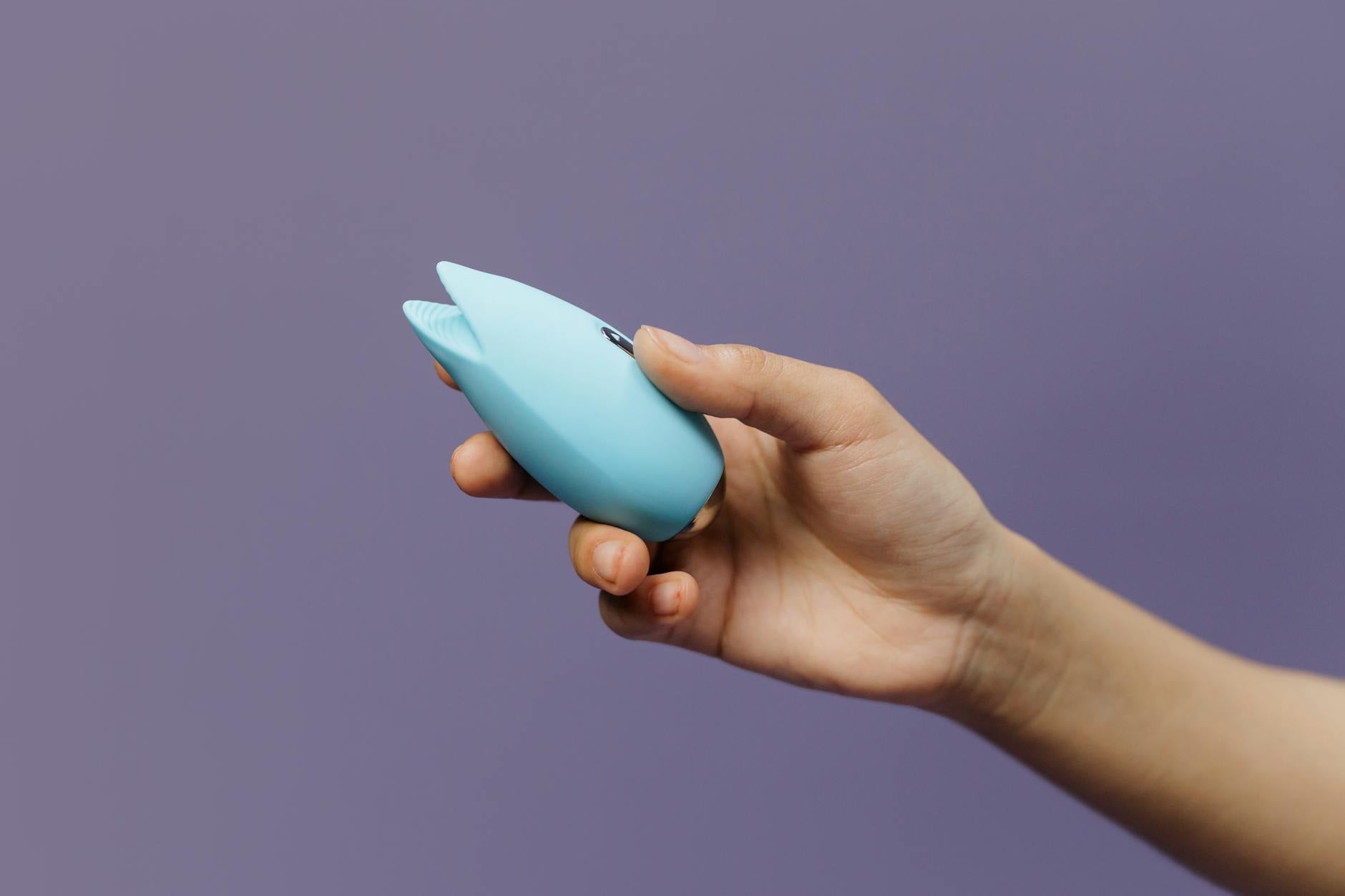
The good news? Using a lemon vibrator with reduced lubrication is absolutely doable. You just need to adjust three things: lube choice, technique, and warm-up time. Once you nail those, sensation stays rich.
Why hormones control lubrication (the short science bit)
Estrogen keeps vaginal tissue thick and well-supplied with blood. When estrogen drops (perimenopause, postpartum, from certain medications, or after ovarian surgery), tissue thins. Less thick tissue means fewer mucous glands producing that slick feeling. Testosterone, which people with ovaries also produce, fuels desire and genital blood flow. Less testosterone equals less engorgement, which means less natural lubrication.
This happens gradually or suddenly depending on what's triggering the hormonal shift. Perimenopause can take years. Postpartum hormone crashes happen in weeks. Medication side effects can show up within days.
The lemon vibrator is actually one of the best tools for this scenario because it works through suction and pulsing, not friction. That means you're not relying on natural wetness to feel good.
Lube is non-negotiable (and water-based is your friend)
First rule: always use lube. This isn't optional, and it's not a sign something's wrong.
Water-based lube is the right call if you're using a silicone lemon vibrator like the Lem. Silicone lube can break down silicone toys over time, leaving them sticky and degraded. Water-based lube is compatible, washes off easily, and rehydrates as you go.
Pick a lube that's thick enough to stay put but slick enough that the toy glides smoothly. Thin, watery lubes evaporate fast when hormones are already working against you. Look for words like "hyaluronic acid" or "glycerin-based" on the label. These hold moisture longer.
Apply lube generously. You're not being excessive; you're replacing what your body isn't making right now. Put it on your vulva, on the toy, and reapply midway through if things feel dry again.
Warm-up time is longer than you think
When lubrication is reduced, arousal takes longer to build because genital blood flow is slower. Budget 15 to 25 minutes for warm-up instead of five.
Start without the toy. Touch yourself with your hands. If you have a partner, let them touch you. Get your brain in the game. Arousal is about 50 percent mental anyway. Once your mind is engaged, your body will follow.
When you do bring the lemon vibrator in, start at the lowest setting. Pattern 1 or 2 on most clitoral vibrators. Let the suction and pulsing wake up your nerve endings gradually. You can always turn it up; you can't undo oversensitivity.
This slower approach also lets lube distribute evenly and gives your tissues time to engorge, which happens slower when hormone levels are lower.
Technique matters more when you're running dry
Here's what changes about how you actually use the toy:
Don't hold it in one spot. Move it in small circles, or let it hover just off your clitoris instead of pressing directly. The suction from a lemon clitoral vibrator works at a distance, so you don't need to pin it down.
If direct contact feels too intense or uncomfortable, angle it so the suction pulls at the hood of your clitoris instead. This is gentler on thinner tissue while keeping sensation alive.
If you're used to longer sessions, you might find that reduced lubrication makes extended use uncomfortable. That's normal. Shorter, more frequent sessions with good lube often feel better than one long marathon when your body isn't producing as much natural moisture.
The timing of your cycle matters (even after menstruation stops)
If you're perimenopausal, your hormones are still fluctuating. Some days lubrication is better than others, even if your period is irregular or absent.
Pay attention to how you feel week to week. On days when you're naturally more lubricated, you might want longer sessions. On drier days, shorter sessions with more lube and slower warm-up work better.
This isn't about forcing pleasure on bad days. It's about working with your body's actual rhythm instead of fighting it.
Medications that worsen dryness (and what to do about it)
Certain medications make reduced lubrication worse. Antihistamines dry out mucous membranes everywhere. Some antidepressants lower desire and lubrication. Birth control can shift how much estrogen your body uses.
If you started a new medication and noticed dryness, talk to your doctor. There might be an alternative. Or your doctor might recommend vaginal estrogen cream, which is topical and doesn't go systemic. A little topical estrogen makes a huge difference for tissue thickness and lubrication.
In the meantime, the lube-plus-slow-warm-up approach keeps pleasure accessible while you're working that out.
When to see someone (because sometimes it's more than hormones)
If reduced lubrication comes with pain, burning, or itching, that's genitourinary syndrome of menopause (GSM), and it's worth mentioning to a healthcare provider. It's treatable.
If you've tried lube, warm-up time, and slower technique and pleasure still feels muted or uncomfortable, that could point to other factors. Depression, anxiety, relationship stress, or other hormonal issues can all look like "just reduced lubrication" but need different solutions. A therapist or sex-positive doctor can help you sort it out.
You're not broken. Your body is just recalibrating.
The real win here
Reduced lubrication from hormonal changes doesn't mean the end of pleasure. It means you get to learn your body differently. You'll figure out what warmth, lube thickness, pattern intensity, and angle work best for you right now. That knowledge is gold.
Many of my clients find that once they stop fighting the hormonal shift and start working with it, their orgasms actually deepen. Less is more sometimes. The lemon vibrator, combined with intention and the right lube, often delivers exactly what you need.
People also ask
Can I use silicone-based lube with a lemon clitoral vibrator?
No. Silicone lube breaks down silicone toys. Use water-based lube instead. Water-based is just as effective, washes off easily, and keeps your toy in good shape long-term.
How often should I reapply lube during a session?
Every 5 to 10 minutes, or whenever things feel dry. When your body isn't producing much natural lubrication, external lube does all the work. Don't be shy about reapplying. More lube equals more comfort.
Does reduced lubrication mean I'm not aroused?
Not necessarily. Lubrication and arousal are connected but separate. You can be mentally turned on and physically dry due to hormones. That's why warm-up time and lube matter so much. The lemon vibrator will work regardless of how wet you feel.
Will my natural lubrication come back if hormones rebalance?
Yes, usually. If dryness is from perimenopause, it might ease once you're fully postmenopausal or as your body adjusts. If it's from medication, switching meds or adding topical estrogen can help. If it's from postpartum hormones, it often improves as hormones stabilize.
Is it normal to need lube every time now?
Yes, especially if you're in perimenopause or postpartum. Your body is recalibrating. Needing lube is not a failure. It's just what your body needs right now, and that's completely okay.
Can antidepressants make lubrication worse?
Yes. Some SSRIs lower desire and can reduce lubrication as a side effect. If you notice this started after you began an antidepressant, talk to your prescriber. There are alternatives that affect sexual function less. Don't stop the medication on your own, but absolutely mention it.