Here's what nobody tells you about antidepressants and sex
Your medication is working. Your mood is better, your anxiety is lower, you're sleeping. And somehow pleasure has vanished. That's not a side effect you imagined. That's not you being broken. That's a direct result of how SSRIs and certain other antidepressants interact with the neurochemistry of arousal.
I work with couples and individuals navigating exactly this. The conversation usually starts with shame. "I should be grateful the meds are helping. Why can't I just be fine with no sex drive?" The answer is simple: because pleasure matters. Your mental health and your sexuality aren't competing goods. You deserve both.
Let's talk about what's actually happening in your body, why a lemon vibrator is often more effective than you'd expect, and the specific strategies that help.
How SSRIs change arousal at the neurochemical level
SSRI stands for selective serotonin reuptake inhibitor. The drug increases serotonin in your brain by blocking reabsorption. More serotonin is good for mood. But serotonin also suppresses dopamine release, and dopamine is central to desire.
Here's the chain reaction. Low dopamine means your brain registers less reward from stimulation. The sensations that used to feel electric now feel muted. Arousal takes longer to build because the system that should be ramping up isn't getting the signal to activate. And even when you do reach climax, it might feel distant or incomplete.
Some people also experience delayed or absent orgasm. Others describe feeling numb in their genitals even during stimulation. Both are direct medication effects, not psychological issues, and this distinction matters because it changes what you actually do about it.

Photo by Ihsan Adityawarman on Pexels
Why lemon vibrators work differently when you're on SSRIs
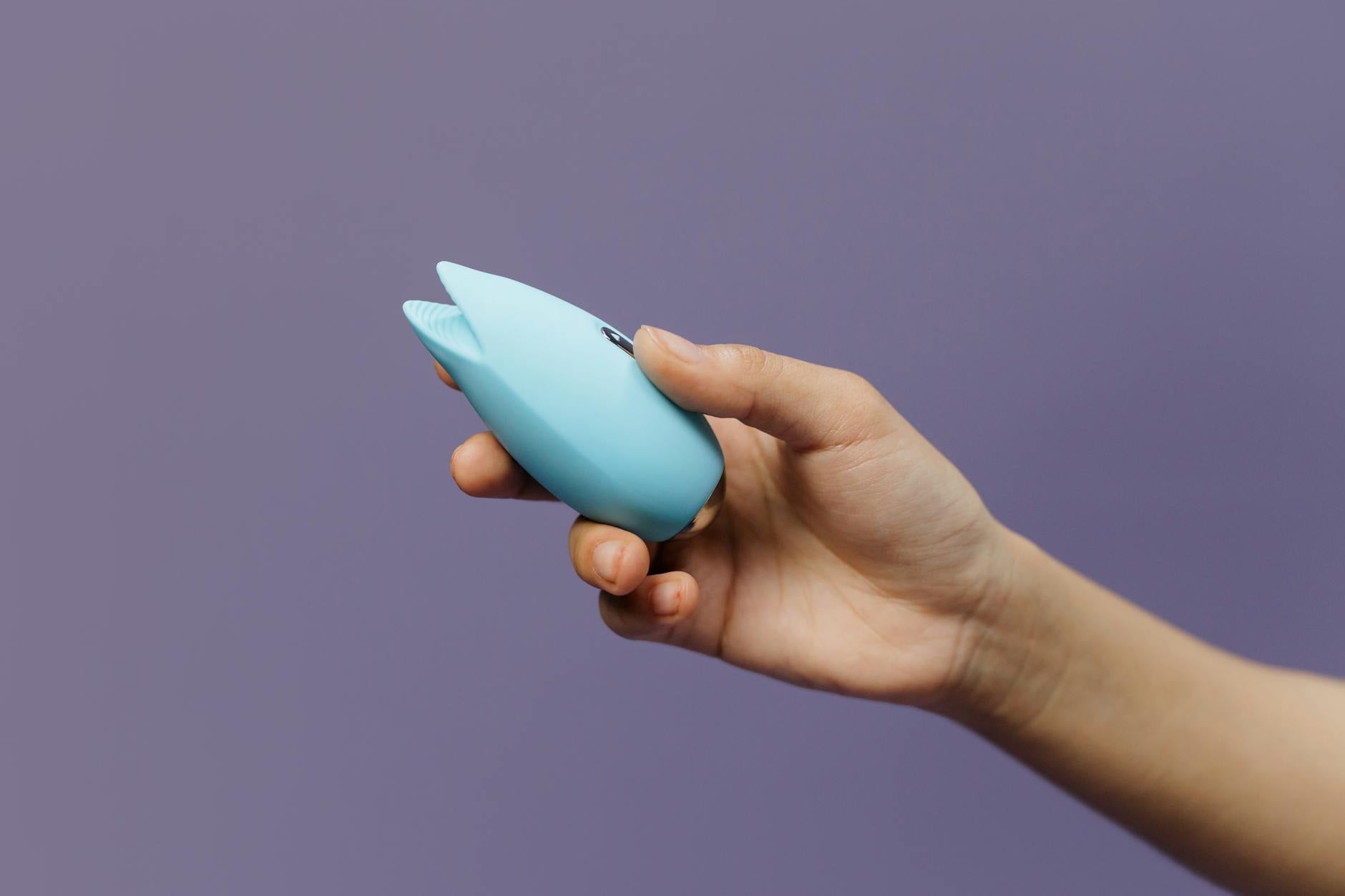
A lemon vibrator, also called a lem vibrator or lemon clitoral vibrator, uses gentle suction and pulsation rather than pure vibration. This is mechanically important for medication-flattened arousal.
When sensation is muted, high-frequency vibration often fails. Your tissue doesn't respond the way it used to. You're chasing intensity that your nervous system isn't equipped to register. A lemon sexual toy works because suction stimulates deeper nerve endings in the clitoris and surrounding tissue. It doesn't rely on surface sensitivity. You're engaging a different neural pathway.
Second, the rhythmic pulsing of a lemon adult toy creates a building sensation. Your brain recognizes the pattern. That pattern, repeated over time, can help rewire the dopamine response. You're essentially retraining your body's pleasure circuitry.
Third, suction-based toys like the Lem require less direct pressure than traditional vibrators. When sensation is dulled, direct pressure often feels uncomfortable or irritating. Suction feels gentler while still being effective.
The practical adjustment process
Here's where most people get it wrong. They assume they should use the lemon vibrator the same way they used toys before medication. That doesn't work. You're working with different neurochemistry now.
Start with the lowest intensity setting. Not because your tissue is fragile, but because sensitivity is already compromised. Pattern 1 or 2 is usually the right starting point. You're listening for the threshold where sensation becomes noticeable without feeling numb.
Add longer warm-up time. Dopamine suppression means arousal builds slowly. Budget 20 to 30 minutes before you introduce the toy. This isn't about foreplay in the traditional sense. It's about giving your system time to recognize stimulation as pleasurable.
Use lubricant even if you don't think you need it. SSRIs often reduce natural lubrication. The combination of reduced moisture plus dulled sensation creates friction that your brain reads as discomfort rather than pleasure. A water-based lubricant changes this equation completely.
Expect the timeline to be longer than before. If orgasm used to take ten minutes, budget 25 to 40 minutes with medication in your system. This isn't failure. This is your new baseline. Accepting it removes the performance pressure that kills arousal.
When to talk to your prescriber
Some medication combinations are worse than others. A psychiatrist or GP who knows your history can sometimes switch you to an SNRI like venlafaxine, which affects dopamine less severely. Or they might adjust timing so you take your dose at night, after sexual activity.
Other options exist. Bupropion, for instance, actually increases dopamine and is sometimes prescribed alongside an SSRI specifically to offset sexual side effects. Mirtazapine has a lower sexual side effect profile than citalopram. These conversations feel vulnerable to have, but your prescriber has had them hundreds of times.
Don't assume you have to choose between mental health and pleasure. Often you don't.
Rebuilding desire when dopamine is suppressed
Dopamine is the motivation chemical. When it's low, you don't just struggle with sensation. You struggle with wanting sex in the first place. The motivation isn't there.
This is where consistency matters more than intensity. Using a lemon clitoral vibrator regularly, even when you don't feel spontaneous desire, helps. You're not chasing a feeling that isn't coming. You're building a new pattern your brain recognizes as rewarding.
Start small. Ten minutes with the toy twice a week. Not because you're supposed to want more. But because your dopamine system needs repetition to rewire. After four to six weeks, many people notice a shift. The sensation starts to register differently. Desire, genuinely, begins to return.
This is also where a partner can help, if you have one. Their involvement isn't about fixing you. It's about the fact that emotional intimacy itself increases dopamine. Being touched, held, or simply present together while you're using a lemon vibrator creates a different neurochemical context than solo exploration. Both matter.
The emotional piece that's just as real as the chemistry
Antidepressant-related arousal loss carries grief. You've lost something that felt like part of your identity. That loss is real and worth naming, even though the medication is necessary.
Many people also develop secondary anxiety. "Will I ever want sex again? Am I broken now? Is my relationship over?" These questions spiral because the situation is ambiguous. You can't see your neurotransmitter levels. You only feel the absence.
Using a lemon vibrator isn't about "fixing" yourself so you perform for a partner or meet some external standard. It's about reclaiming pleasure as yours. You deserve sensation. You deserve to experience your own body as responsive and alive, even when your brain chemistry has been altered by necessary medication.
People also ask
Can I use a lemon vibrator if I'm on multiple antidepressants?
Absolutely. If anything, the dulling effect might be stronger with multiple medications, which means the retraining process takes longer and requires patience. The same principles apply. Start low, go slow, use lube, and give your nervous system time. If you're on other medications that affect sensation (certain pain meds, blood pressure medications), mention this when you talk to your prescriber about sexual side effects.
How long before a lemon clitoral vibrator feels good again?
Most people notice a shift within four to eight weeks of consistent use, a few times per week. Some take longer. Your brain is literally rebuilding associations between stimulation and pleasure. This isn't quick. But it does work. Track what you notice without judgment. Small shifts count.
Do I need to tell my partner I'm using a lemon vibrator for this reason?
That's your call. Some people find it helpful to share the context so their partner understands this isn't about dissatisfaction with them. Others prefer to explore solo first and build confidence before involving anyone else. There's no wrong choice. If you do involve a partner, the conversation is easier if you lead with the neurochemistry. "My medication is affecting my arousal system, not my feelings about you."
What if a lemon vibrator still doesn't work after weeks?
Then the medication adjustment conversation becomes more urgent. You've tried the tool that works best for dulled sensation. If nothing is shifting, your prescriber needs to know. This isn't weakness. This is data. Some people genuinely need a different medication to have access to pleasure, and that's okay.
Can I take anything to counteract the sexual side effects?
Possibly. Your psychiatrist might recommend adding bupropion, which boosts dopamine. Some people take a low dose of buspirone or other augmentation strategies. These are medication decisions, not something to try on your own. But the options exist, and they're worth discussing.
Is it normal to feel guilty about needing a toy when I'm on antidepressants?
Completely normal. Many people internalize the shame around both medication and toys. You're breaking a double taboo. But here's what's true: you're on medication because your brain chemistry needed help. Using a lemon sexual toy is how you reclaim a normal part of your life while you're on that medication. That's not weakness or dependency. That's self-advocacy.
The bigger picture
Antidepressants save lives. They also change sexuality for many people who take them. Both truths exist at the same time. Your job isn't to choose between mental health and pleasure. It's to find the path that honors both.
A lemon vibrator, combined with patience, realistic timeline expectations, and honest conversations with your prescriber, often gets you there. You're not broken. Your nervous system is just working with different chemistry now. You can absolutely rebuild pleasure from here.
If you're navigating this and feeling stuck, reach out. Contact Hello Nancy if you have questions about which tool might work best for your situation.