The pressure that kills everything
Performance anxiety isn't really about performance. It's about fear. Your partner lies there terrified they're not enough, can't last long enough, won't feel the right way inside you, or will lose their erection and that's somehow a referendum on their manhood. Meanwhile, you're lying next to them sensing the anxiety, which triggers your own worry that maybe you're not attractive enough, or you're being too demanding, or something is genuinely wrong.
Then nobody comes. And both of you feel worse.
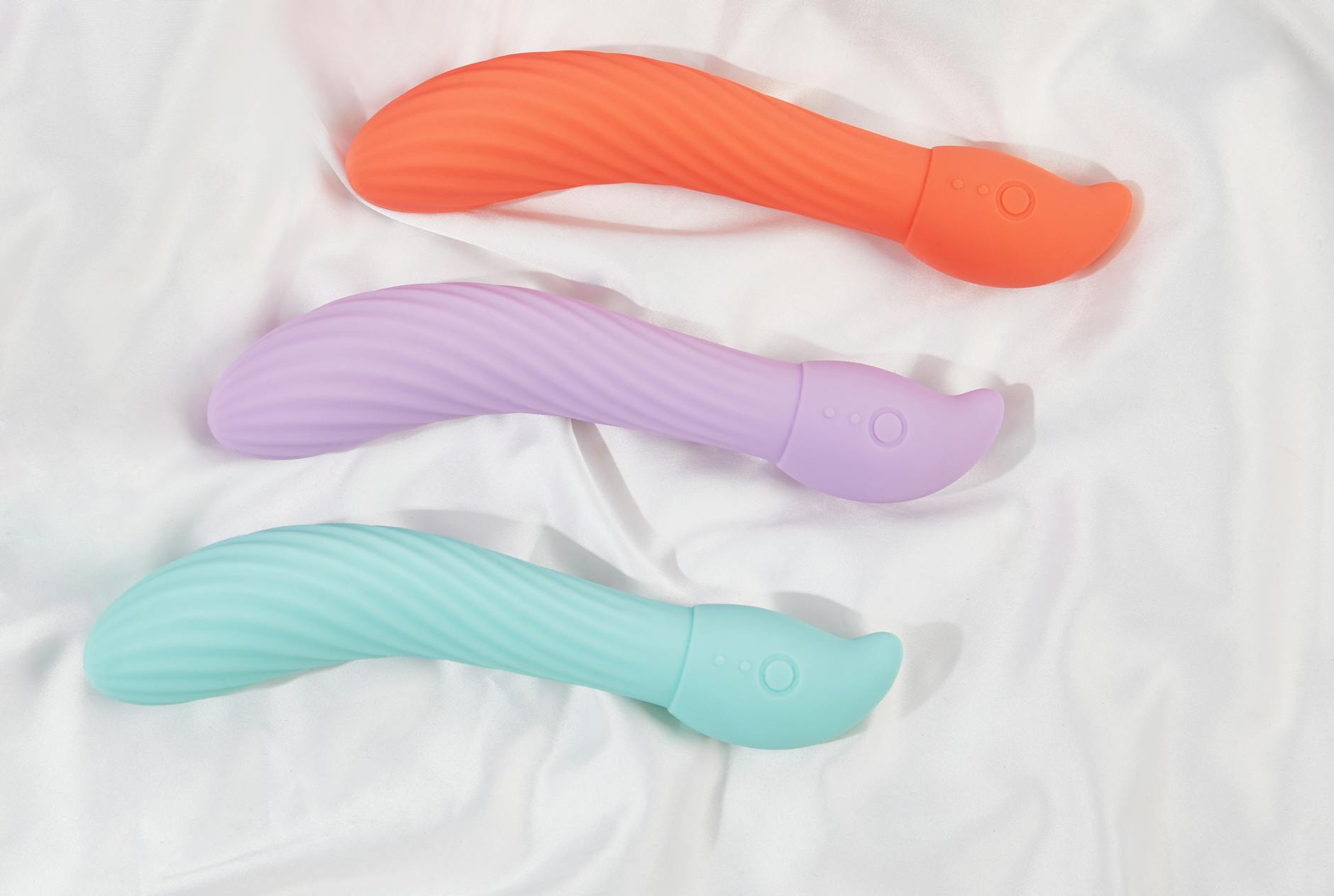
Here's the thing: a lemon clitoral vibrator doesn't care about his anxiety. It doesn't perform or fail. It just gives you reliable pleasure, which gives him permission to relax. And when he relaxes, everything changes.
Why performance anxiety thrives in silence
Performance anxiety survives on secrecy. As long as it's unspoken, it grows into this massive monster that feels like "my body doesn't work" or "I'm fundamentally broken." But say it out loud to a partner who listens? Suddenly it shrinks. It's just a nervous system doing its job too well.
Piloting a lemon vibrator together makes this conversation almost easy. You're not accusing him of anything. You're not rejecting him. You're simply saying: "I want to feel this, and I want you here while it happens. And I don't need you to do anything except be present." That's radically different from the pressure he's been feeling.
What happens when pleasure isn't dependent on him
Most of the anxiety comes from this false equation in his head: your orgasm equals his ability to make it happen. But here's the neurological truth: your clitoris has 8,000 nerve endings. Your partner's penis or fingers can stimulate some of them. A lemon clitoral vibrator, designed specifically for clitoral suction and stimulation, can access them more efficiently. Neither outcome says anything about him.
Once you separate your pleasure from his performance, three things happen:
One: He stops choking under pressure. He's not trying to be enough anymore. He's just trying to be present, which is infinitely easier.
Two: You actually orgasm. Which is not a small thing. When you're in your own head worrying about his worry, your nervous system stays in a low-level fight-or-flight state. Bringing in a tool that reliably gets you there neurologically hijacks that anxiety spiral and sends blood flow somewhere useful.
Three: He discovers he likes watching. This is the part they don't tell you. Most men find deep pleasure in witnessing their partner's orgasm when there's zero performance pressure attached. It's not work. It's connection.
How to introduce it without triggering more anxiety
Timing matters. Not during sex. Not when he's already in his head. Pick a conversation moment, maybe after a shower, when you're both calm and not naked yet. Say something like: "I've been thinking about how I want to feel more pleasure with you. I found this clitoral vibrator that works really well, and I'd like to try it together. I don't want you to do anything different. I just want you there."
Notice what you're not doing: you're not saying "because you can't make me come" or "you're too anxious." You're saying "I want more feeling, and I want you witnessing it." That reframe is everything.
If he resists, listen to what's underneath. Sometimes it's ego. Sometimes it's genuine worry that the vibrator will replace him. Address the real fear, not the surface objection. He might need to hear: "This isn't about replacing you. This is about both of us having permission to relax."
The mechanics of using a lemon vibrator when he's present
Start with conversation about what feels good. Does he like to watch? Touch you while you're using it? Hold you? Be hands-off? There's no right answer. What matters is that he gets to opt in to a role that doesn't require him to perform.
When you're ready, use the lemon vibrator the same way you would alone. Start at a lower intensity pattern and work up. The clitoral suction sensation of a lemon toy is remarkably reliable for building toward orgasm without the variance that creates anxiety for him. (If you're wondering about the mechanics, lemon clitoral vibrators use gentle suction rather than vibration alone, which means more consistent stimulation and often faster results.)
Many partners find that being present without doing anything is actually more intimate than the sex they were trying so hard to control. He gets to see you relax. He gets to see what pleasure looks like on your face without stage lights and performance pressure. And you get to come, which is sort of the whole point.
What comes after
Once the anxiety has lifted a little, sex often gets better naturally. He's not panicking. You're more relaxed. The pressure that was crushing both of you has loosened. You might still use the lemon vibrator during partnered sex. You might not. That's not the point. The point is that you've proven to his nervous system that your pleasure doesn't require him to be perfect.
Sometimes, if the anxiety is deep or longstanding, it helps to have a conversation about whether there's something else going on. Is he stressed about work? Have there been relationship trust issues? Is he dealing with depression or a medication side effect? Performance anxiety is often a symptom of something bigger. A good therapist trained in couples work can help sort that out.
But even before that conversation happens, a lemon vibrator and clear consent can change the entire tone of your intimate life. You get your pleasure back. He gets his nervous system back. And you both get to feel like you're on the same team instead of fighting invisible opponents.
When this approach isn't enough
Sometimes performance anxiety is wrapped up in deeper relationship issues. If he's anxious because he doesn't trust you, or because he feels disconnected from you, or because he's avoiding vulnerability, then a vibrator won't fix that. What it will do is buy you permission to have the harder conversations without the sexual pressure clouding everything.
If his anxiety is severe enough that he won't engage with this at all, that might be a sign he needs professional support. There's no shame in that. Performance anxiety is treatable. Therapy, sometimes combined with medication, works. But he has to be willing to address it.
Your job is not to fix him. Your job is to know what you want (pleasure, connection, peace in your intimate life) and to offer him a way to be part of that without drowning. A lemon clitoral vibrator is a practical tool for that offer.
Talking about it afterward
Don't skip this part. After you've used the vibrator together, actually talk about it. "That felt good." "I liked being with you while that happened." "Can we try that again?" These tiny affirmations are how his nervous system learns that this is safe, wanted, and good.
If something didn't feel right, say that too. Maybe the timing was off. Maybe he was still in his head. That's data, not failure. Adjustment is normal. What matters is that you're building a new pattern where your pleasure doesn't require him to be perfect, and where he doesn't have to earn his place in your intimacy.
Performance anxiety thrives in shame and silence. It dies when you bring in tools, clear communication, and permission to relax. A lemon vibrator is one of those tools. Your willingness to talk about it is the other.