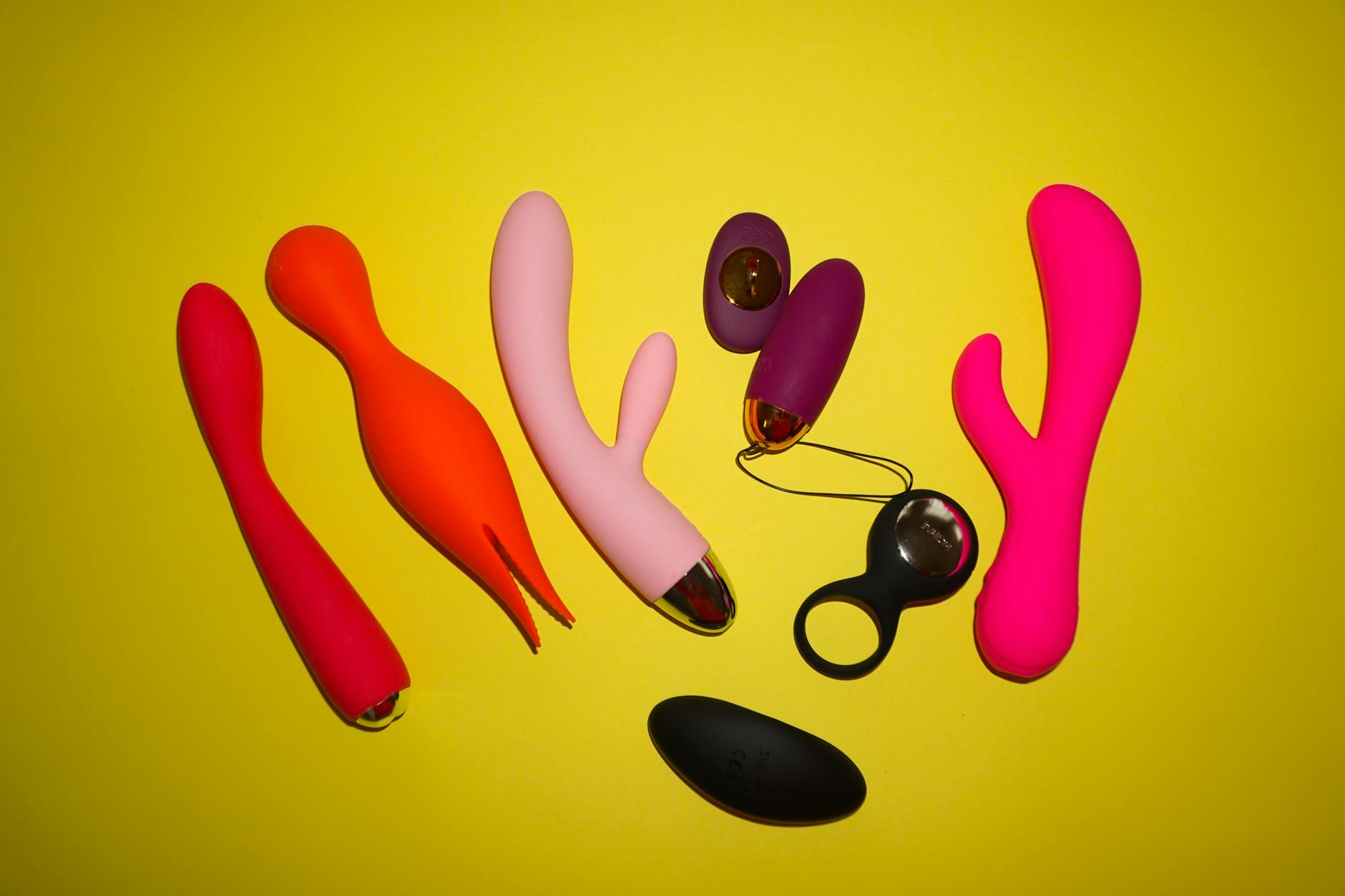
The thing nobody tells you about pleasure after fifty-five
Your nervous system doesn't age the same way your skin does. Sensation actually gets more acute. The problem isn't numbness; it's that the old approach stops working, and most people interpret that as "it's over" instead of "it's different now." Here's the truth: a quality lemon clitoral vibrator often produces the strongest, most reliable orgasms people report in their entire lives after fifty-five.
I've worked with hundreds of couples navigating this transition. The ones who get to that level of pleasure aren't the ones waiting for their body to work like it did at thirty-five. They're the ones who learn how their body actually works now.
Why sensation sharpens instead of dulling
Your clitoris doesn't age. The nerve endings don't deplete. What does change is the tissue around it loses some elasticity, and blood flow takes longer to reach peak arousal. That sounds like bad news until you understand what it means: your clitoris becomes more prominent, the nerve density feels more concentrated, and orgasms tend to be deeper rather than broader.
The Lem, a lemon sucker vibrator designed with suction rather than vibration alone, works brilliantly for this exact shift. Suction stimulates nerves without the pressure that can feel too intense on thinner, more sensitive tissue. You get intensity without discomfort.
Many of my clients describe post-fifty-five orgasms as having more texture. Not necessarily faster, but richer. Fuller. The kind that build from deeper in the body rather than just on the surface.
The three physical changes that actually matter
Understanding these makes everything else click into place.
Blood flow takes longer to arrive. Arousal isn't broken; it's just slower. Budget fifteen to twenty minutes of foreplay instead of five. That's not a limitation. That's an invitation to build intensity gradually, which often produces stronger climax at the finish.
The clitoris becomes more exposed. Less tissue coverage means the glans (the most sensitive part) sits closer to the surface. Direct vibration can feel overwhelming. Suction distributes stimulation more evenly, which is why lemon vibrators with air-pulse technology tend to feel better than traditional buzz vibrators at this stage.
Lubrication changes but doesn't disappear. Natural lubrication may decrease, which is why water-based lube becomes a reliable partner. But here's what most guides miss: you may actually prefer external stimulation more at this point, and that's not a failure of your body. A lemon adult toy focused on the clitoris (not penetration) often suits this shift perfectly.
How to set up your lemon vibrator for maximum intensity
This is the tactical part. Where most people go wrong is starting too high and burning out sensation before they reach orgasm.
Start on the lowest setting. This isn't timid; it's smart. Low settings build arousal gradually, and that slow build is what creates deeper orgasms. Spend five to eight minutes here. Your body will start responding, and you'll feel the sensation intensify.
Move to medium after arousal builds. Now your clitoris is more engorged, the tissue is more sensitive, and medium intensity will feel much stronger than it did at the start. This is typically where the real pleasure deepens. Stay here for another five to ten minutes. Breath matters at this point. Most people shift to shallower breathing when they're close. Try the opposite: deeper, slower breaths. It keeps you in your body and often intensifies sensation.
High is for the final push, if at all. Many people find they don't need it. The combination of arousal and medium intensity on a lemon clitoral vibrator is already producing orgasm. Some partners enjoy using high briefly at the peak, then dropping back to medium for multiple waves of orgasm. Experiment here. Your nervous system will tell you what works.
Angle matters more than speed. A lemon sucker vibrator is designed to cup the clitoris, so positioning is part of the experience. You may need to shift angle slightly to find the exact sweet spot. That slight adjustment often triggers the intensity jump that leads to orgasm. Spend time exploring position, not just intensity level.
The partner piece when you're in your sixties or beyond
If you're using a lemon vibrator with a partner, the dynamic often shifts in your favor. Many partners feel less pressure to perform because the responsibility for your arousal is shared with a tool. That relief often makes them more present, more curious, and more willing to spend time exploring what actually feels good.
The best setup I've seen: start with your partner involved (touch, connection, conversation), then bring in the lemon vibrator as arousal builds. Your partner can hold it, apply it, control the settings, or just be present while you do. There's no one right way. The point is building that connection around the fact that your pleasure matters, your body is working, and you both get to enjoy that together.
What changes about recovery and sensitivity
Orgasms after fifty-five often feel different in the aftermath. Some people report more powerful pelvic floor contractions. Others describe a deeper sense of satisfaction that lingers. The window for multiple orgasms might be longer now (meaning you need more recovery time between them), but the intensity of each one often compensates.
One thing that shifts: sensitivity after orgasm. Your clitoris may feel more sensitive immediately post-climax, which can feel either amazing or overwhelming. If it feels overwhelming, you can pull away from the vibrator gradually rather than stopping abruptly. Some people enjoy staying in contact with the lemon vibrator on a very low setting during the cool-down phase.
When to adjust your approach
If you're experiencing pain during or after use, that's not normal aging. Pain during arousal or climax is worth mentioning to a healthcare provider, ideally one trained in sexual health. Many of these issues (like genitourinary syndrome) are highly treatable with topical remedies.
If you're not feeling much sensation even on high settings, and that's new, that can also be worth discussing. Sometimes it's hormonal, sometimes it's medication-related, sometimes it's just that your lemon vibrator isn't a great match for your particular nerve sensitivity. A few minutes with a healthcare provider trained in sexual health can solve most of these puzzles.
The bigger picture: pleasure compounds with time
Here's what I've observed across decades of working with couples: people who stay curious about their own pleasure, who invest in understanding their body, and who refuse the cultural narrative that sex ends at fifty almost universally report that their best sexual experiences come later. Not earlier.
A lemon clitoral vibrator is a tool. But what it really enables is permission: permission to take your pleasure seriously, permission to invest time in understanding what your body actually needs now, permission to say that this part of your life still matters.
That permission is often what changes everything.
Photo by cottonbro studio on Pexels
FAQ: Your questions about lemon vibrators and aging
Why do lemon vibrators feel better than regular vibrators after fifty-five?
Lemon suction toys stimulate nerves through gentle air-pulse pressure rather than traditional vibration. After fifty-five, your clitoral tissue is more exposed and sensitive, which means high-frequency buzzing can feel jarring. Suction distributes stimulation more evenly and often produces more intense, textured orgasms. The sensation feels deeper rather than surface-level, which is exactly what most bodies prefer at this stage.
How long should I use a lemon vibrator to reach orgasm?
There's no standard timeline, but most people report fifteen to twenty-five minutes from initial arousal to orgasm when they're fifty-five or older. That's actually faster than many assume. The key is not rushing the initial arousal phase. Most people spend five to eight minutes on low settings, then eight to fifteen on medium before reaching climax. The slow buildup is what creates intensity, not the amount of time.
Is it normal for orgasms to feel different after fifty-five?
Completely normal. Orgasms after fifty-five often feel more localized (centered in the clitoris and pelvic floor) rather than spreading throughout your body. Many people describe them as deeper or more intense even if they're not longer. Some report that they enjoy the experience more precisely because it requires more presence and attention. Your body isn't broken; it's just communicating differently.
Can I use a lemon vibrator if I'm on hormone therapy or antidepressants?
Yes, though your experience may vary. Both hormones and antidepressants can affect arousal timing and sensation intensity. A lemon clitoral vibrator's adjustable settings make it easier to find what works for your current medication reality. If you've been on a new medication for less than three months, give your body time to adjust before assuming something's wrong. After three months, if sensation is very reduced, mention it to your healthcare provider. Many medication adjustments can improve sexual response.
Should I use lubricant with a lemon sucker vibrator?
Lubricant isn't always necessary for suction toys the way it is for vibrators or penetrative toys. That said, many people prefer using a tiny bit of water-based lube around the opening of the suction cup to create a better seal and make the sensation smoother. Experiment. Some people use none and love it. Others use just enough to feel like a glide. Neither is wrong.
What if I don't orgasm with a lemon vibrator the first few times?
Orgasm isn't the only goal. Some people use lemon vibrators primarily for the sensation and pleasure, and orgasm happens occasionally rather than every session. That's not failure; that's just how your nervous system works. If you want to increase the chances of orgasm, focus on the buildup phase. Spend real time on arousal. The longer and more engaged that phase, the more likely climax follows. And sometimes the best pleasure is the journey, not the destination.
When to talk to a healthcare provider
Most shifts in sensation after fifty-five are just normal aging. But if you're experiencing new pain, extreme dryness that doesn't respond to lubricant, or a dramatic loss of sensation that worries you, those are worth mentioning to a doctor trained in sexual health. Many of these changes are easily addressed once you name them.
Your body is still capable of extraordinary pleasure. You've just entered a new chapter of learning what that looks like. A lemon vibrator is the right tool for that exploration.
Ready to explore what works for your body? Start with the lowest setting, give yourself permission to take your time, and stay curious about what feels good. That's where the real intensity lives.