Let's be real about trauma and touch
Touch is supposed to feel good. When trauma rewires how your nervous system responds to it, pleasure becomes complicated. Your body might tense up before anything even happens. You might feel present one moment and flooded the next. You might want to experience pleasure but your system is saying no before your brain catches up.
This isn't dysfunction. It's your body protecting you. And reclaiming pleasure after trauma doesn't mean ignoring that protection. It means rebuilding trust slowly, with tools that give you total control.
Why a lemon vibrator works differently for trauma survivors
Most sex toys require direct hand contact or positioning that can feel invasive or unpredictable. A lemon clitoral vibrator works differently. The suction design creates distance and gentleness. You're in control of the pressure, the timing, and how close you get. There's no sudden intensity. No surprise. No partner's hands that might shift unexpectedly.
For people with trauma-related touch sensitivity, this matters deeply. The Hello Nancy Lem vibrator, for instance, lets you start at the lowest pattern and build at your own pace. You're not negotiating with someone else's desire. You're not managing someone else's expectations. You're just exploring what your body wants, when your body wants it.
That control is the whole point.
Starting from a grounded place
Before you even touch the device, create conditions that help your nervous system feel safe. This sounds basic, but it's the foundation.
Choose a time when you're not rushed or triggered. If mornings are calmer, go then. If you need the house empty, make that happen. Lock the door if that helps. Your body needs to know there are no surprises coming.
Many trauma survivors find that being clothed or partially clothed feels safer initially. You're not performing nakedness. You can stop instantly. You have layers between you and the world. That's completely fine. You can use the lemon vibrator over underwear or through clothing for weeks if that's what feels right.
Temperature also matters. Some people feel grounded by cool hands or a cool toy. Others prefer warmth. Try holding the Lem under warm water for a few seconds before use. Small details like this give your system the safety cues it's looking for.
Building tolerance in stages
Your first few sessions aren't about orgasm. They're about introducing your nervous system to the device without pressure or expectation. Treat this like you're getting to know a new sensation.
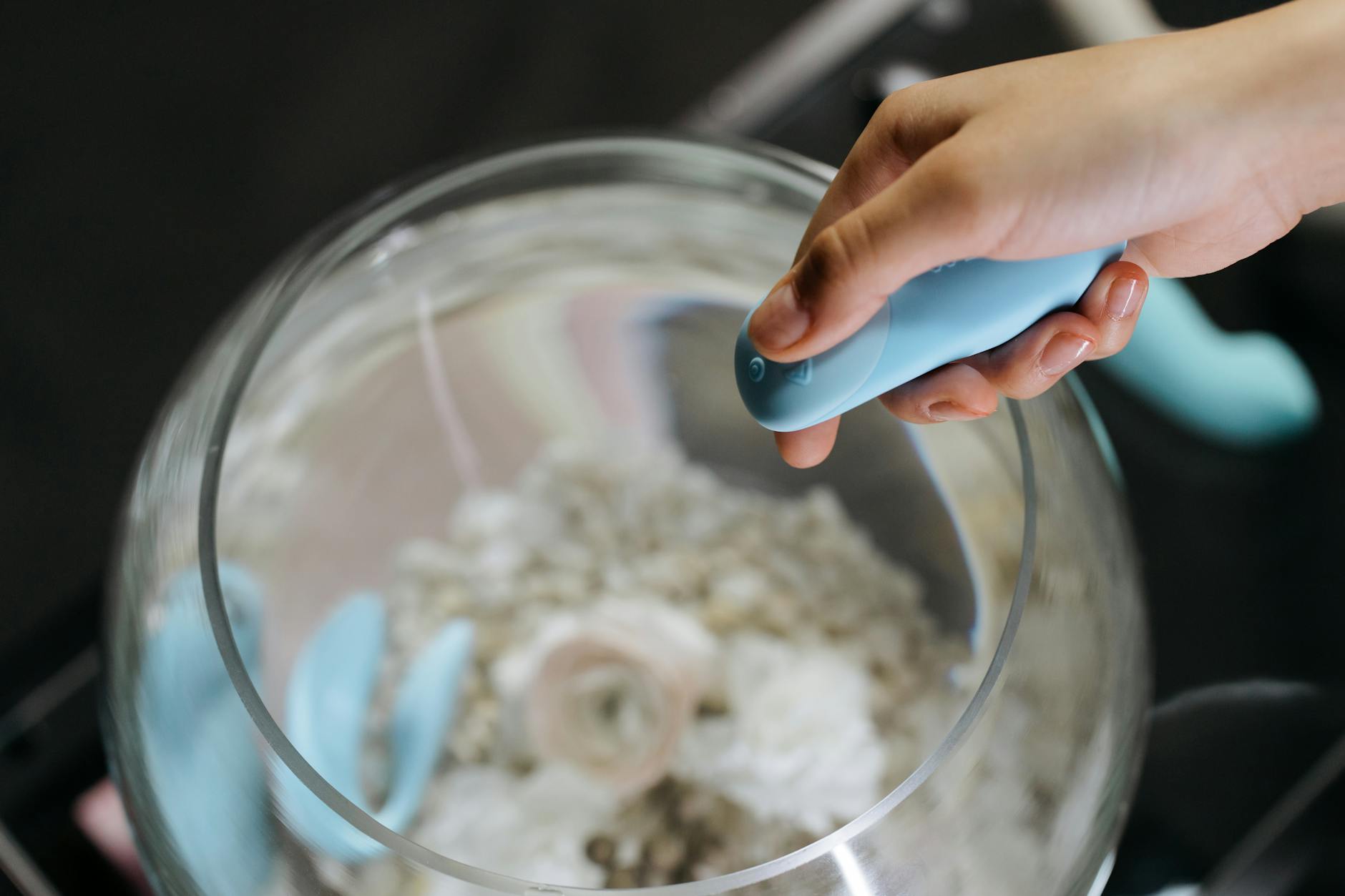
Session one: just hold it. Don't turn it on. Let your hand rest on it. Notice the weight, the texture, the temperature. Your body is learning that this object is safe. Five to ten minutes is enough.
Session two: turn it on at pattern one (the lowest setting on most lemon vibrators). Hold it near your body but not touching. Hear the sound. Feel the vibration at a distance. Your nervous system is gathering data. You're not asking your body to respond yet. You're just showing it what's possible.
Session three: very light contact. Touch the Lem to your outer thigh or lower abdomen while it's on the lowest setting. Not the vulva yet. Anywhere that feels distant from the trauma. Let your body adjust to direct contact with a vibrating object.
Only move to direct clitoral stimulation once these earlier stages feel genuinely easy. There's no timeline. This might take a week. It might take two months. Your nervous system is relearning trust. Rush it and you'll hit a wall.
The pressure gradient matters
When you do move to clitoral contact, start with the device over your underwear, not direct skin. The fabric diffuses intensity. It also gives you a layer between your body and sensation, which many survivors find crucial psychologically.
The suction design of a lemon vibrator actually makes this easier than vibration-only toys. Suction distributes pressure across a wider area rather than concentrating it on one point. That broader stimulation often feels safer and less overwhelming to trauma survivors whose nervous systems are sensitive to direct pressure.
Keep the pattern on one or two (the lowest settings). You can always turn it up. You can't un-intensify something that already fired your nervous system into alert mode. Low and slow is not a limitation. It's a strategy.
What grounding techniques pair with this
If you feel yourself starting to disconnect or get triggered, have an anchor ready. This could be:
Vocal anchors: humming, counting backward from ten, repeating "I am safe, I am here, this is my choice." Your voice is under your control. It brings you back to the present.
Sensory anchors: holding ice, pressing your feet into the floor, running your hands under cold water. These interrupt the trauma response because your body has to pay attention to the new sensation.
Visual anchors: keeping your eyes open, looking at something you find comforting, focusing on one object in the room. Dissociation loves darkness and closed eyes. Light and focus pull you back.
Tactile anchors: a soft blanket, a particular pillow, a texture you've chosen specifically for this purpose. Not something someone else gave you. Something you picked because it feels like yours.
You're not trying to suppress the response. You're teaching your nervous system that it can feel sensation, notice a response, and then choose to stay present anyway.
When to pause and when to push gently forward
There's a difference between "this feels slightly uncomfortable because it's new" and "my nervous system is in alarm mode." Learning that difference is crucial.
Uncomfortable-but-safe feelings: slight tension, goosebumps, the urge to laugh, curiosity mixed with nervousness, heart rate increase that feels manageable. Your body is activated but not flooded.
Alarm signals: freezing, dissociation, intrusive thoughts about the trauma, shame that comes from nowhere, the desperate need to escape. Your nervous system is saying stop, even if your mind is trying to push through.
If you hit an alarm signal, stop. Turn off the device. Ground yourself. You're not failing. You're getting real data about where your healing is right now. That information is valuable.
The next session, try something smaller or gentler. Maybe stay at pattern one longer. Maybe go back to the previous stage. This isn't linear progress. It's expanding the zone where your body feels safe.
Talking to a partner if you have one
If you're healing from trauma and you're with a partner, this process needs conversation. Not judgment, not pressure, but clarity.
Your partner needs to know: this is about rebuilding your relationship with your own body, not a referendum on the relationship. Trauma affects the nervous system. Healing from it takes time and specific conditions. A lemon vibrator gives you the control to create those conditions solo.
What your partner doesn't need to do: watch, supervise, or wait around for you to be "fixed." This is your healing work. If your partner is pushing for you to move faster or be sexual before you're ready, that's not support. That's pressure. Healing doesn't happen under pressure.
If your partner is trustworthy and present, they can help create the safety conditions. Making sure the house is quiet, not initiating sex at certain times, respecting boundaries without needing explanation. But the pleasure work itself? That's yours.
FAQ
Can I use a lemon vibrator if I'm dissociating during sex?
Dissociation during arousal is a common trauma response. If you're in a dissociative state, the goal isn't to push harder. The goal is to gently bring your body back to the present. Put the device down. Focus on five things you can see, four you can hear, three you can touch, two you can smell, one you can taste. That's grounding work, not pleasure work. Some days the work is just reconnection, not climax.
How do I know if I'm healing enough to try penetrative sex again?
Healing isn't about forcing yourself back to pre-trauma sexuality. It's about expanding where pleasure can happen without your nervous system flooding. With a lemon clitoral vibrator, you might find that external stimulation feels safer than penetration for a long time. That's completely valid. Pleasure is not a linear path back to what it was. It's a new map.
What if I feel guilty enjoying a vibrator after trauma?
Guilt after trauma is common. Your nervous system learned that pleasure wasn't safe. It associated pleasure with harm. A lemon vibrator, because it's solo and fully under your control, can slowly teach your body that pleasure is actually about you and your own nervous system, separate from what happened. That's healing. Feel the guilt. Use the device anyway. Over time, your body learns the difference.
Can lemon vibrators help with numbness from antidepressants and trauma combined?
Antidepressants can flatten sensation. Trauma can make you guard against sensation. Combined, you might feel almost nothing. A lemon vibrator's gentler suction action can sometimes be more effective than vibration-only toys for this, because it works with a different mechanism. But start low and give yourself grace. Numbness isn't moral. It's your body protecting itself while it heals.
Is it normal to cry while using a lemon vibrator after trauma?
Yes. Crying is a nervous system release. You're reclaiming sensation and control in a body that learned to shut down. Sometimes that releases emotion. That's not sadness about the vibrator. That's processing. Let it happen. Have tissues nearby. Ground yourself after. You're doing something brave.
What if I freeze when I try to use it?
Freezing is a trauma response, not a failure. It means your nervous system detected a threat it recognizes. Go back two or three steps. Maybe just holding the device, not turning it on. Maybe touching it while clothed. Your body is telling you it needs slower. Listen to it. That listening is the real healing.
Moving forward, on your timeline
Reclaiming pleasure after trauma isn't about getting back to where you were. It's about discovering what pleasure feels like now, in a body that's learned how to protect itself. A lemon vibrator gives you the control, the gentleness, and the distance to make that discovery safely.
You don't need to rush. You don't need to match anyone else's timeline. You just need to stay curious about what your body wants when it feels truly safe. That's the whole practice.
If you have questions about your specific situation or want to talk through a healing plan, reach out to us. We're here.