The invisible trade-off nobody warns you about
You started a medication that changed your life in the best way. Your anxiety dropped. Your blood pressure stabilized. Your allergies finally stopped running your day. And then somewhere between week two and week four, you realized something else changed. Touch doesn't feel the same. Your body isn't lighting up the way it used to.
You're not broken. Your medication isn't a secret saboteur. This is a known, measurable side effect that affects somewhere between 30 to 60 percent of people taking SSRIs alone. Add in beta-blockers, antihistamines, and other common medications, and you're looking at a huge portion of the population dealing with dulled sensation while trying to maintain their sexual health.
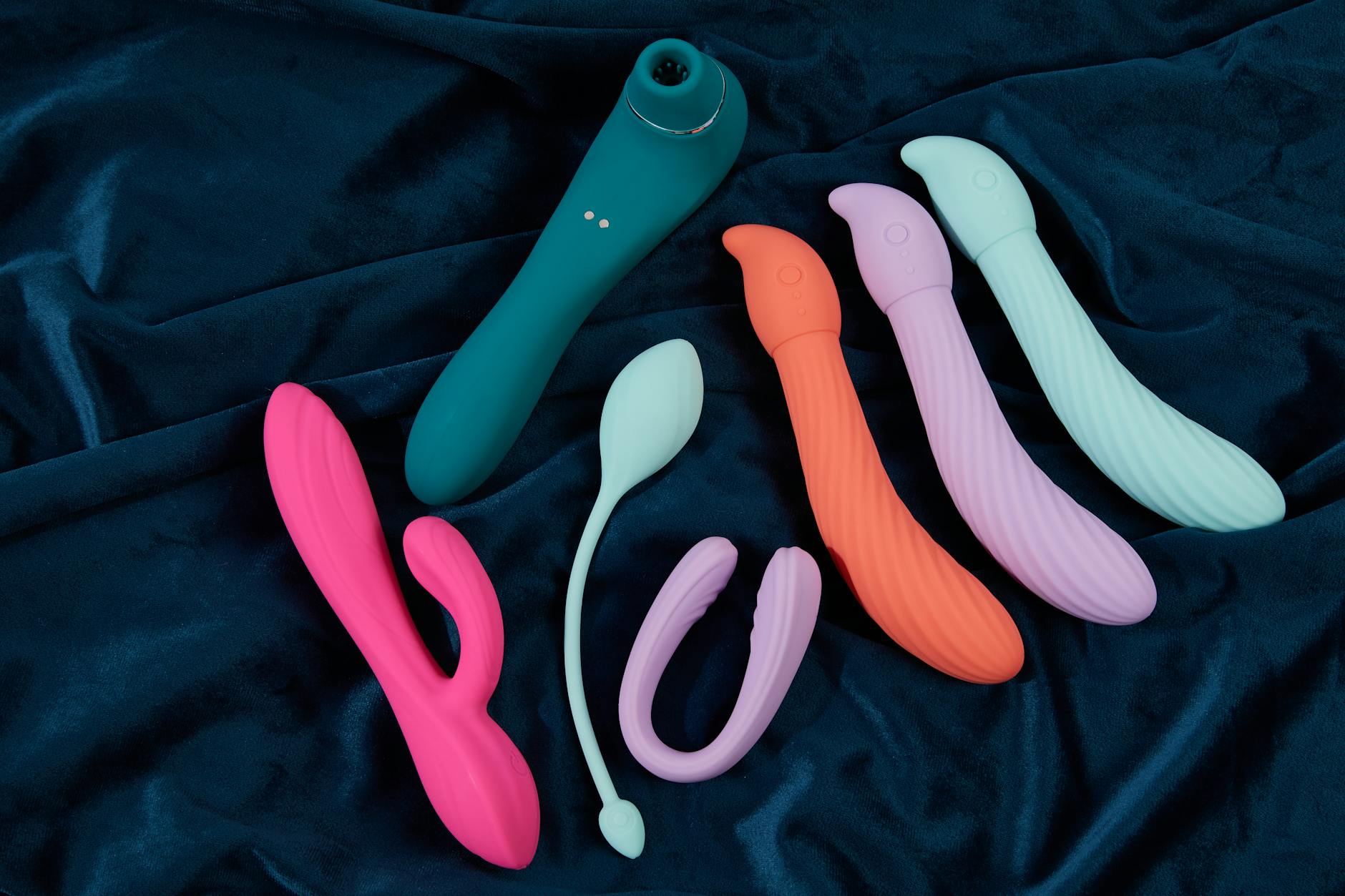
The good news? A lemon vibrator, which works through suction and gentle pressure rather than pure vibration, can be your actual solution here. Not a workaround. Not a Band-Aid. A real path back to sensation.
Which medications actually affect sensation
Let's start with the heavy hitters. SSRIs and SNRIs (selective serotonin reuptake inhibitors and serotonin-norepinephrine reuptake inhibitors) are the biggest culprits. These are medications like sertraline, paroxetine, and venlafaxine. They're brilliant for anxiety, depression, and OCD. They're also consistently linked to reduced sensation and delayed or absent orgasm.
Beta-blockers for blood pressure and heart conditions work by slowing your nervous system down. That's the point. But your nervous system is also what processes pleasure. Antihistamines, which many people take daily for allergies, have a similar dampening effect on nervous system sensitivity.
Certain pain medications, particularly opioids and some anticonvulsants, can also blunt sensation. Even some migraine medications sit in this category.
The mechanism is usually one of three things. First, the medication affects dopamine or serotonin in ways that slow arousal signals. Second, it reduces blood flow to the genitals. Third, it literally slows nerve transmission, meaning signals from your body to your brain travel more slowly.
None of these are reasons to stop your medication. Your mental health or physical health comes first. Full stop. But knowing which specific effect you're dealing with helps you choose the right approach.
Why a lemon vibrator works differently
Here's the thing about air-suction technology. It doesn't rely on vibration alone to create sensation. Instead, it uses gentle, rhythmic suction that stimulates a much wider area of nerve endings at once. When sensation is dulled, this broader stimulation pattern often feels more noticeable than the targeted pressure of a traditional vibrator.
Think of it like the difference between someone tapping your shoulder versus someone gently pressing their hand on your shoulder and slowly moving it around. One is more noticeable even at the same force level.
With medications that affect sensation, this matters wildly. A lemon clitoral vibrator engages the whole head of the clitoris, not just the tip. It's also gentler by design, which means you can use it for longer without numbing yourself further (which can happen with high-intensity vibration over time).
The suction patterns also tend to build sensation more gradually, which is actually better when your baseline sensitivity is lower. You're not fighting against vibration intensity. You're layering gentle pressure in a way your nervous system can actually feel and respond to.
How to adjust your approach for medication-affected sensation
First, start with the lowest pressure setting and the gentlest pattern. With the lemon sucker, this often means pattern one or two. Spend a full five minutes there. Your job right now is not to rush to orgasm. Your job is to relearn what sensation feels like on your body.
Second, warm yourself up longer than you think you need to. If you normally take ten minutes to feel aroused, budget 20 to 30 now. This isn't laziness. Medications that affect sensation often also slow the speed of arousal. You're working with your body's actual rhythm, not fighting it.
Third, consider using a water-based lubricant even if you normally don't need one. Reduced sensation often comes with reduced natural lubrication. Lube isn't a sign that something's wrong. It's a tool that reduces friction and actually allows sensation to build more smoothly.
Fourth, alternate between your lemon clitoral vibrator and manual stimulation. Vibration fatigue is real, and it gets worse when sensation is already dampened. If you spend 15 minutes on the lemon vibrator, take five minutes to use your fingers. This resets your nerve endings and often reignites sensation.
The timing conversation with your doctor
Honestly though? This is worth bringing up with whoever prescribed your medication. I'm not suggesting you stop or change anything. I'm suggesting you ask whether there's a better time of day to take your dose, or whether a lower dose might work for you, or whether there's a different medication in the same class that has fewer sexual side effects.
Some people find that taking their SSRI at night instead of the morning, or vice versa, changes the intensity of the side effect. Some medications in the same drug class have genuinely different sexual side effect profiles. Some people benefit from adding a second medication that counters the sexual side effects (like buspirone or bupropion, though this varies by individual and requires medical consultation).
Your doctor needs to know this is affecting your quality of life. Not to convince you to stop, but to help you troubleshoot. They've likely had this conversation dozens of times.
What to expect as your nervous system adjusts
Sensation often comes back. Not always immediately, and not always to exactly where it was before. But in many cases, as your body adjusts to the medication (usually around six to twelve weeks), sensation starts to creep back in.
In the meantime, using your lemon vibrator with these adjustments often means you'll feel pleasure returning before your baseline sensation fully does. That's because you're training your nervous system to recognize and build on small signals. You're basically saying "okay, so now pleasure is more subtle. Let me learn what subtle pleasure feels like on my body."
This is also why partnered sex during this time can feel different. Some people find that the anticipation and touch from a partner actually helps sensation come back faster, because the emotional and physical signals work together. Others find that pressure to perform makes everything worse. Know which category you're in, and communicate it clearly.
The reality check
Some medications genuinely do create side effects that don't fully resolve, no matter how long you take them or how well you adapt. In those cases, your options are real. You can stay on the medication and adjust your sexual expectations and tools accordingly. You can talk to your doctor about alternatives. You can layer additional strategies, from supplements to different types of toys to different approaches to sex altogether.
But here's what you don't have to do: pretend it's not happening, assume your body is broken, or accept that pleasure is off the table. A lemon clitoral vibrator is honestly one of the best tools for this specific situation because it works with sensation-dampening rather than against it. You're not chasing vibration intensity. You're learning to feel again through suction, pressure, and patience.
Your medication gave you your life back. Your pleasure matters just as much as the mental health or physical health that medication protects. Protecting both is completely possible.
People also ask
Can I use my lemon vibrator while I'm on antidepressants?
Absolutely. In fact, it's often better than a traditional vibrator when you're on an SSRI or SNRI because the suction-based stimulation tends to feel more noticeable to dulled sensation. Start with lower pressure settings and give yourself more warm-up time than usual.
Will my sensation come back if I keep taking the medication?
For many people, yes. Sensation often improves as your body adjusts to the medication, usually within 6 to 12 weeks. That said, some people experience persistent side effects. If that's the case after three to four months, it's worth a conversation with your prescriber about whether there are alternatives or additions that could help.
Should I stop my medication to get my sensation back?
No. Your mental health or physical health is more important than sexual sensation, and stopping medication without medical guidance can be genuinely dangerous. Instead, work with your doctor to troubleshoot. There are often solutions that don't involve stopping your medication.
Does a lemon sucker work better than other vibrators for medication-affected sensation?
For many people, yes. The suction-based stimulation engages a wider area at gentler pressure than traditional vibrators. This often feels more noticeable when baseline sensation is dampened. That said, everyone's body is different. If you find that a different type of vibrator works better for you, that's completely valid.
How long should I use my lemon vibrator when my sensation is dulled?
Start with 10 to 15 minutes and build from there. When sensation is dampened, longer sessions often help more than intensity. The goal is to train your nervous system to notice and respond to stimulation, not to force an orgasm quickly. Quality over speed.
What if nothing is working?
If you've adjusted your approach for two to three weeks and sensation still isn't returning or building, check in with your doctor. There might be a medication adjustment that helps, or an underlying issue that's separate from your medication. You deserve support with this, and your prescriber can help troubleshoot in ways that protect your overall health.