Let's start with what actually changes
Menopause rewires the physical experience of sex. Estrogen drops, tissue thins, lubrication decreases, and arousal takes longer to build. That's not mythology. That's biology. But here's the part no one mentions clearly: none of that means sex stops working. It means it works differently, and honestly, for many people, better.
I've worked with hundreds of people navigating the menopause transition. The ones who struggle most aren't struggling because their bodies broke. They're struggling because they're trying to have sex the same way they did at thirty-five, and expecting the same response at fifty-five. That mismatch creates frustration on both sides.
Why sensation feels different right now
When estrogen drops, the vulval tissue becomes thinner and less elastic. The vaginal opening has less natural lubrication. The clitoris itself doesn't shrink, but the tissue around it does change slightly, which can affect how directly you feel stimulation. Arousal takes 15 to 25 minutes instead of 5 to 10. These are not failures. They're shifts that require different tools and timing.
Here's what doesn't change: your capacity for pleasure. The neural pathways that create orgasm are still there. Your brain's ability to experience sensation and release is intact. The clitoral nerve density doesn't decrease with menopause. What changes is the efficiency of the delivery system, not the destination.
Why a lemon vibrator makes sense right now
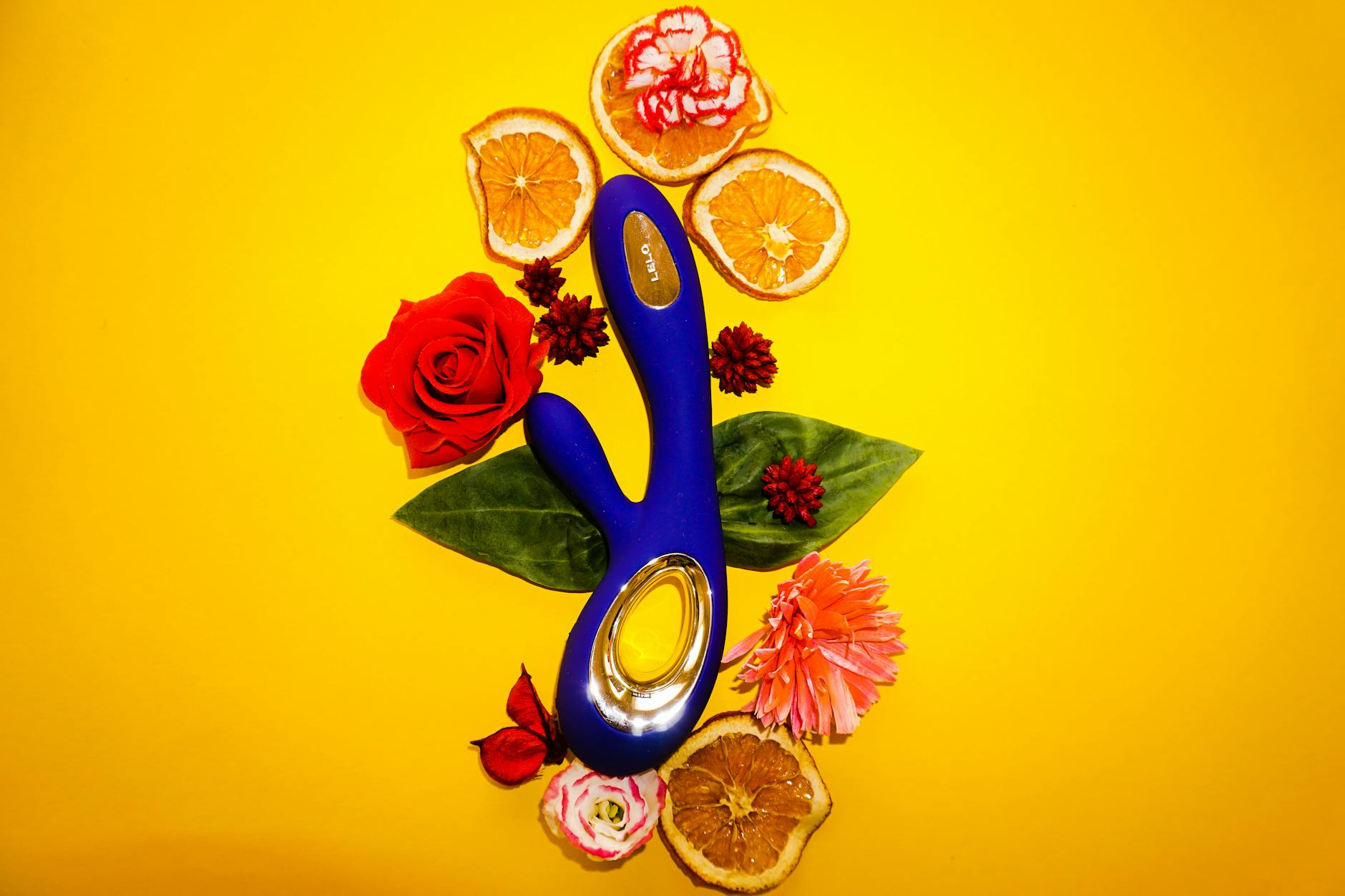
A lemon clitoral vibrator, like the models from Buy Lem Toy, uses suction and pulse rather than direct vibration. That matters enormously during this transition. Here's why.
Direct vibration can feel too intense or even uncomfortable on thinner tissue. Suction, by contrast, creates a gentler envelope of stimulation. It gathers tissue rather than hammering it. For post-menopausal bodies, that distinction is huge. You're getting consistent, pleasurable stimulation without the sensation of rawness or friction that traditional vibrators sometimes create.
The lemon vibrator's suction settings also allow you to control intensity in a way that matches your body's new timeline. You can start at a low pulse, let arousal build gradually, then shift to a more intense setting as sensation develops. That kind of control over pace is exactly what makes pleasure accessible again after hormonal shifts.
Practical setup for your first attempt
Timing matters now. Budget at least 20 minutes for sex when you're using a lemon vibrator post-menopause, compared to 10 minutes you might have needed before. This isn't a flaw. This is better. You're lengthening the arousal phase, which deepens the experience.
Before you begin, apply a water-based lubricant. Not because your body is broken, but because thinner tissue benefits from additional moisture. Silicone-based lubes feel richer, but they can damage silicone toys, so stick with water-based. A few teaspoons applied directly to the vulva and a small amount on the toy itself makes a significant difference in comfort and sensation.
Warm up your body first. A warm bath, a period of kissing or touching with a partner, even a hot drink before sex creates a baseline of physical relaxation that helps arousal come faster. Menopause makes the initial ramp-up harder, so anything that primes your nervous system helps.
How to use the settings strategically
Start on the lemon vibrator's lowest setting. This is crucial. Your tissue is more sensitive to direct intensity now, and starting low lets you understand how this particular tool feels on your body. Spend several minutes here. Let your body gradually wake up to the sensation.
After 5 to 8 minutes at a low setting, move to a medium pulse. Many people assume intensity equals pleasure, so they jump to maximum right away. That's the fastest way to numb sensation. Medium intensity, held for 10 to 15 minutes, often creates stronger orgasms than maximum intensity held for 2 minutes.
Only increase to higher settings if you feel the sensations flattening or fading. The goal is to find the sweet spot where stimulation feels building and responsive, not numbing.
If you're with a partner, repositioning matters
You might notice that angles that worked before feel different now. The tissue changes mean that some types of penetration or external pressure that felt good at forty might feel uncomfortable at fifty-five. This is not something to power through. This is information.
If your partner is involved, a lemon vibrator gives you both something concrete to focus on besides the awkwardness of "what do we do now." Your partner can hold it for you, which removes the solo-activity feel and creates connection. Or you can use it on yourself while your partner is inside you or beside you. The tool reframes the experience as collaborative, not compensatory.
Managing expectations about orgasms
Orgasms might feel different. Some people describe them as more localized. Others say they're more intense. Many notice they arrive later in the session than they used to. None of these variations are problems. They're normal. Expecting the exact same orgasm experience post-menopause as you had at thirty is like expecting the same ski run to feel identical every season. The mountain changed. You changed. The run is still worth doing.
Give yourself permission to experiment. Some people discover that lemon clitoral vibrators create stronger orgasms post-menopause than anything they felt before, because the suction mechanism engages nerves in a way traditional vibration doesn't. Your most intense pleasure might genuinely be ahead of you, not behind you.
The emotional layer that nobody addresses
Menopause often arrives with other life shifts. Kids move out. Partnership dynamics change. Your body looks different. Career transitions happen. All of this gets tangled up in sexual response, and it's easy to blame everything on hormones when really you're managing grief, identity shifts, and relationship renegotiation simultaneously.
If you've lost desire entirely, that might not be estrogen. That might be exhaustion, resentment, or disconnection. A lemon vibrator can't fix that. But if you want to rebuild sexual connection with a partner and you've been hesitant because sex feels different or uncomfortable now, a lemon clitoral vibrator gives you a concrete tool to work with. It makes the transition tangible instead of scary.
When to get professional support
If penetration or external touch causes pain, don't wait. Genitourinary syndrome of menopause is real and highly treatable, often with topical estrogen creams that have minimal systemic absorption. See a menopause-trained gynecologist. Two to four weeks of treatment often transforms the experience entirely.
If libido has disappeared and isn't returning with time and support, testosterone therapy is worth discussing with your doctor. It's prescribed conservatively in some regions but is available and life-changing for the right person.
If you're in a partnership and sex feels like a source of conflict rather than connection right now, a therapist specializing in midlife couples work can help you separate the physical shifts from the relational ones. Often the two are tangled, and untangling them matters more than any toy.
The truth nobody says out loud
Menopause is not the end of your sexual life. It's the middle chapter, and in many ways, the most interesting one. Your body has changed, yes. But you've also spent decades learning what feels good. You know your own mind better. You care less about performing and more about feeling. You're building sex around your actual pleasure, not someone else's timeline.
A lemon vibrator from Buy Lem Toy fits into that perfectly. It's designed for bodies that need gentler intensity and longer arousal phases. It's a tool that says: your pleasure matters, your body is normal, and this is just the next phase of sex, not the last one.
People also ask
Do lemon vibrators work differently on post-menopausal tissue?
Yes. Thinner tissue responds better to suction and pulsing stimulation than to direct vibration. The suction mechanism of a lemon clitoral vibrator gathers tissue gently rather than creating friction against delicate areas. This means you often feel more sensation with lower settings, which prevents the numbing that can happen with higher-intensity traditional vibrators.
How long does it take to feel arousal building with a lemon vibrator after menopause?
Budget 15 to 25 minutes for the arousal phase. This is longer than you might have needed before menopause, but it's not a problem. In fact, many people find that the extended buildup creates deeper, more satisfying orgasms than the quick response they had when they were younger. Patience during this phase pays off.
Is water-based lubricant necessary with a lemon vibrator if I'm post-menopausal?
Yes. Post-menopausal tissue has less natural lubrication, and even a high-quality lemon clitoral vibrator works best with additional moisture. Use a few teaspoons of water-based lube applied directly to your vulva and a small amount on the toy. This prevents discomfort and lets you focus on sensation rather than friction.
Can I use a lemon vibrator if I have pain with penetration after menopause?
External clitoral stimulation with a lemon vibrator can absolutely work even if penetration is uncomfortable. Suction stimulation bypasses the vaginal opening entirely, so you can explore pleasure externally while addressing the penetration issue separately with a healthcare provider. Many people find this is a great way to rebuild sexual confidence during the menopause transition.
Do orgasms feel the same after menopause, even with a lemon vibrator?
No, and that's not a problem. Orgasms post-menopause often feel different in texture, intensity, or location on your body. Some people describe them as more localized. Others find they're stronger. Give yourself permission to experience new sensations rather than expecting an exact replica of what you felt at thirty-five. You might be surprised by how intense pleasure can be.
Should my partner be involved when I'm learning to use a lemon vibrator post-menopause?
That's entirely your choice. Some people prefer to explore solo first, understand how their body responds, and then bring a partner in. Others want partnership involvement from the start. Either way is fine. If you do include a partner, the lemon vibrator removes some awkwardness because you're both focused on a concrete tool rather than on the emotional weight of menopause and sex.
Ready to explore what pleasure looks like now? Start with a conversation with yourself about what you actually want. Then reach out to a healthcare provider or therapist if you need support navigating this transition. Your pleasure matters. Your body is normal. This is just the next chapter.
If you'd like personalized guidance on navigating intimacy during menopause, contact Buy Lem Toy's team for resources and support.