Let's talk about pain that nobody wants to say out loud
Sex hurting is one of those things people suffer through in silence, assuming it's normal or that it means something's fundamentally wrong. It's not, and it doesn't. Pain during sex (dyspareunia, if you want the clinical term) is common, treatable, and importantly, doesn't mean your sex life is finished.
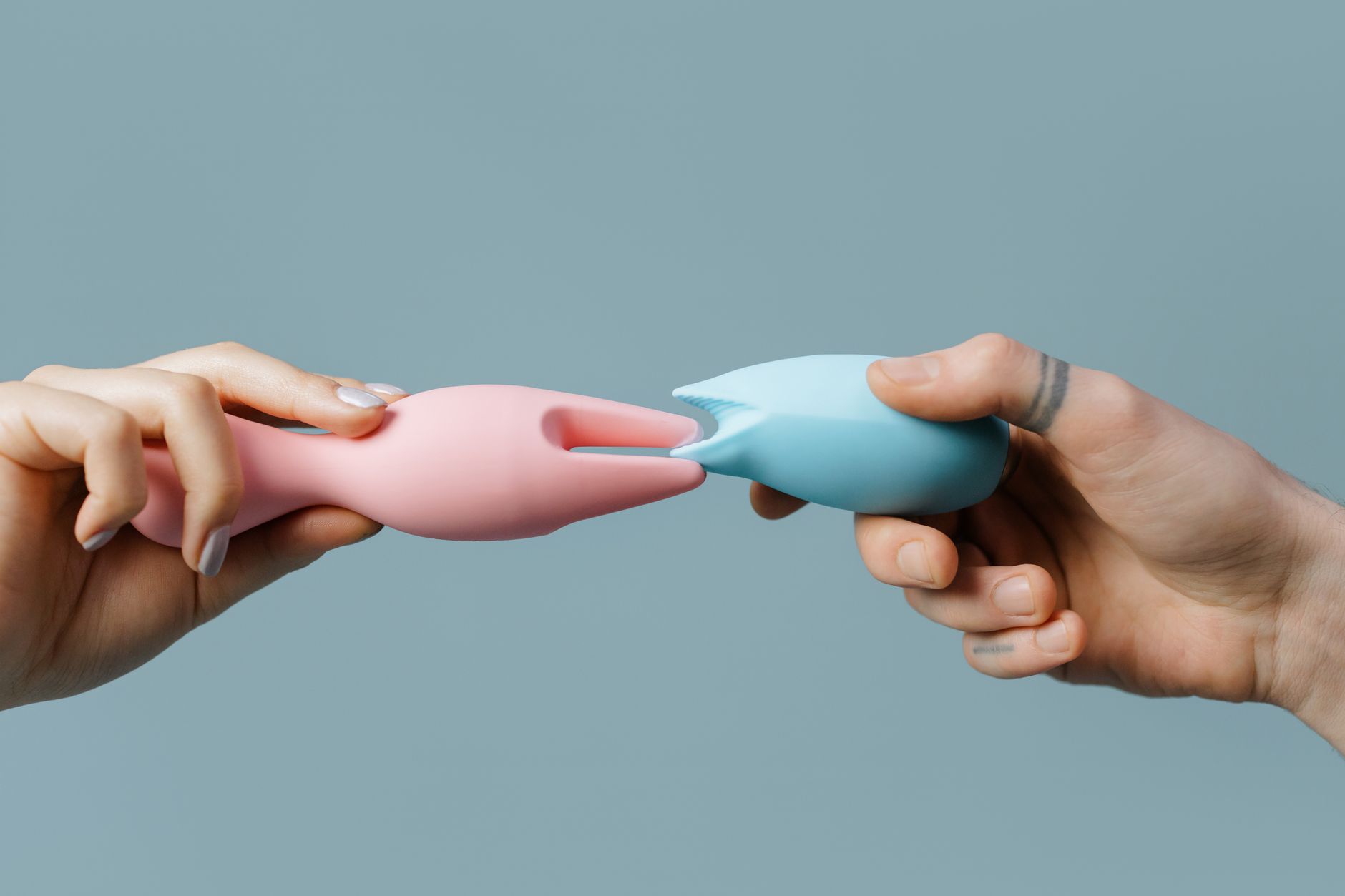
Here's what I see in my therapy practice: people abandon pleasure entirely because one type of stimulation causes discomfort. They assume that if penetration hurts, everything hurts. That's not how bodies work. You can have pain in one area and full sensation and pleasure in another. A lemon vibrator like the Lem works specifically on clitoral tissue, which operates on a totally different pain-pleasure pathway than your vaginal canal. Understanding that difference changes everything.
Why pain happens and what it means
Pain during sex has multiple causes, and they're wildly different. You might have:n Vaginismus or pelvic floor tension. Your pelvic floor muscles clench involuntarily, making any penetration uncomfortable. This is common, especially after trauma, anxiety, or repeated pain experiences.
Vaginal dryness or tissue thinning. Hormonal shifts (menopause, breastfeeding, certain medications) thin vaginal tissue and reduce lubrication. Friction increases. Pain follows.
Vestibulodynia or generalized vulvodynia. The nerve endings around your vulva are hypersensitive. Light touch feels painful. This is a real condition, diagnosed and treatable.
Infections or inflammation. UTIs, yeast, bacterial vaginosis, or dermatological conditions make the area tender.
Psychological factors. Anxiety, past trauma, or relationship tension can trigger physical pain responses. Your brain and body talk to each other constantly.
The thing none of these means: that your capacity for pleasure is gone. Clitoral tissue doesn't experience the same pain mechanisms as vaginal or internal tissue. You can have discomfort during penetration and have intensely satisfying clitoral orgasms. They're separate systems.
How a lemon clitoral vibrator fits in
A Lem or other quality lemon vibrator targets the clitoris specifically, avoiding the tissues causing you pain. This matters because:
It's a different sensation path. Clitoral stimulation involves external nerves that don't overlap with the structures experiencing pain. You're literally not activating the painful area.
It rebuilds confidence. When sex has been painful, your nervous system goes into protective mode. Even thinking about sex triggers tension and bracing. Successfully experiencing pleasure through a vibrator rewires that response. Your body learns: touch can feel good again.
It gives you control. You set the pace, intensity, and exactly where the stimulation happens. No guessing, no pressure to perform for a partner, no trying to accommodate someone else's rhythm while managing pain.
Suction patterns feel different than vibration. The Lem uses air-pulse suction rather than traditional vibration. For many people with painful sex, this gentler stimulation method feels less intense and more accessible than a traditional vibrator. It's a psychological and physical shift that can make pleasure feel possible again.
Before you start: get the physical part sorted
I'm going to be direct: if sex is painful, get evaluated by a gynecologist or pelvic floor physical therapist before adding a vibrator. You need to rule out infection, check hormone levels, and understand what's actually happening in your body. A vibrator is a tool for pleasure, not a treatment for pain.
Once you have a diagnosis (or even if it's unclear), pelvic floor physical therapy is often life-changing. A PT can teach you to recognize and release tension, which directly impacts both pain and orgasm quality. Combined with a lemon clitoral vibrator, this approach works. I've watched it transform people's sex lives.
If hormonal issues are at play, talk to your doctor about options. Topical estrogen cream has minimal systemic absorption and often resolves pain from dryness in weeks. Combined with a vibrator, you get both the structural support and the pleasure tool.
How to use a lemon vibrator when pain is part of your story
Start with exploration solo, no pressure.
Day one: Don't aim for orgasm. Hold the Lem in your hand (don't turn it on yet) and notice how it feels. Just touch. Get used to the weight and shape. Your nervous system needs to know this isn't a threat.
Day two or three: Turn it on at the lowest setting. Place it near your clitoris but not directly on it. Patterns 1 or 2 on most lemon vibrators are subtle. Let yourself feel the suction from a small distance. No pressure to be aroused. This is data gathering.
Building from there: Slowly move the Lem closer to your clitoral area. Spend 5-10 minutes exploring what feels okay. Some days you might need to stay at the gentlest setting. Some days you'll want more intensity. Both are fine. This isn't linear.
Water-based lubricant is your friend here. Even if you're naturally lubricated, extra lube reduces any friction from the toy. It's another signal to your nervous system: this is safe.
Listen to your body's signals. Tension is different from intensity. A good vibration should feel pleasurable. Tension, bracing, or sharp pain means stop. Rest. Try again another time. Your pelvic floor needs to learn that stimulation doesn't mean pain.
Bringing this into partnered sex
If you have a partner, they need to understand something: this isn't about them not being enough. You're not using a lemon vibrator because they're failing. You're using it because you're managing pain and rebuilding your relationship with pleasure. Those are separate conversations.
Use it during foreplay, focusing on clitoral stimulation while your partner focuses on non-penetrative touch. You get arousal and pleasure without triggering pain. Your partner gets to participate and see you relaxed and responsive. That's connection.
If penetration is the eventual goal, wait until you're already aroused from the vibrator. Arousal naturally increases blood flow, lubrication, and vaginal expansion. Starting from that place means less friction and less pain. Some couples find they need to skip penetration entirely for a while and just focus on clitoral pleasure. That's not a failure. That's smart management.
Talk about it. "I'm using this because my body needs this" is the conversation starter. "Here's what feels good to me" is the continuation. Your partner gets to hear directly what helps instead of guessing.
The psychological piece
Pain during sex often comes wrapped in shame. You feel broken. You worry your partner is frustrated. You avoid sex altogether. That avoidance creates distance, which creates anxiety, which makes the pain worse. It's a spiral.
Breaking that requires permission to prioritize your own sensation without judgment. A vibrator gives you that permission in a concrete way. You're not forcing anything. You're not pushing through pain. You're actively choosing pleasure that works for your body as it actually is.
Most of my clients find that 4-8 weeks of regular solo exploration with a lemon vibrator shifts their entire nervous system response to touch. Not because the vibrator is magic. Because consistent, pressure-free pleasure rewires your brain's pain associations.
Your body learns: pleasure is possible. Touch is safe. Sensation is something to lean into, not brace against.
When to get more help
If pain doesn't improve after 8-12 weeks of gentle exploration, or if it gets worse, see a pelvic floor physical therapist specifically. They can assess muscle tension, teach relaxation techniques, and sometimes use biofeedback to help you recognize and release tightness. Combined with a vibrator, this is a powerful pairing.
If you suspect hormonal issues (pain after menopause, during breastfeeding, or linked to your cycle), get bloodwork done. Estrogen and testosterone both affect tissue health and sensation. Sometimes the fix is straightforward.
If pain is tied to trauma, therapy (especially somatic or sex-positive therapy) can help your nervous system process what happened and rebuild safety. A vibrator is part of that healing, but it's not the whole picture.
FAQ
Can a lemon vibrator help if I have vaginismus?
Clitoral vibrators like a Lem can help rebuild pleasure and confidence, but vaginismus specifically requires pelvic floor work. A physical therapist trained in pelvic floor dysfunction is essential. Once you're getting support there, a vibrator helps by giving you positive sensations that aren't triggering the muscle tension. It's part of the toolkit, not the whole treatment.
Is it normal for a vibrator to cause more pain?
No. If a vibrator increases pain or discomfort, stop using it. Pain is a signal. You might need to start at an even gentler setting, or you might need to work with a professional to understand what's happening. A vibrator should feel pleasurable, not painful. If it doesn't, something needs to shift before you keep using it.
Will using a vibrator make penetration less painful eventually?
Not directly. What it does is rebuild your nervous system's association with pleasure and touch. When you're regularly experiencing clitoral pleasure without pain, your body relaxes. That relaxation can carry over into other sexual situations. But the pain itself often requires specific physical or medical treatment. Use a vibrator as part of a bigger approach, not as a standalone solution.
Can my partner and I use a lemon vibrator together if sex is painful?
Absolutely. Focus on clitoral stimulation while your partner focuses on other touch. You get arousal and pleasure. Your partner gets to be involved. You avoid the specific area causing pain. Many couples find this is more satisfying for both of them than pushing through pain during penetration.
How long does it usually take to feel comfortable with a vibrator after painful sex?
Every body is different. Some people feel comfortable in a few weeks. Others need 2-3 months of slow, pressure-free exploration. There's no timeline. Consistency matters more than intensity. Using it regularly, even for short sessions, rewires your nervous system faster than occasional use.
Should I tell my partner I'm using a vibrator for pain management?
Yes, if you have a partner. Secrecy usually backfires. Honesty creates understanding. "My body needs this to rebuild pleasure" is very different than "I'm hiding this from you." One deepens intimacy. One creates distance. Choose honesty.
Pain during sex doesn't end your sex life. It changes the shape of it for a while. A lemon vibrator, paired with professional support and patience with yourself, helps you find pleasure again. Your body isn't broken. It just needs a different approach right now.