Let's talk about what transitions do to intimacy
Relationships don't end when life changes. But they do pause. A new job, a move, kids growing up, health challenges, financial stress, even a pandemic. These aren't reasons to stop having sex. They're reasons your sex life needs to be intentional again.
Most couples I work with don't realize that using a lemon vibrator during a transition isn't about fixing what's broken. It's about creating a new shared experience when the old rhythms don't fit anymore. That reframe matters because it turns "we've lost our spark" into "we're building something different."
Why relationships stall during major transitions
When life is chaotic, your brain defaults to survival mode. Stress hormones spike, cortisol floods your system, and the prefrontal cortex that handles pleasure and connection goes quiet. Your partner isn't suddenly less attractive. Your body is just redirecting resources to manage the external pressure.
Add logistical stress (new schedules, less privacy, exhaustion) and what you're left with is two people who love each other but have no bandwidth for physical connection. The longer that stretches, the more awkward reconnection feels. You forget your partner's rhythm. The conversation about wanting physical closeness becomes fraught with worry about rejection or inadequacy.
Here's what I see happen: couples assume that once the transition settles, desire will snap back automatically. Sometimes it does. Often it doesn't. Intimacy is a skill. If you stop practicing it for months, you get rusty.
What makes a lemon clitoral vibrator different during reconnection
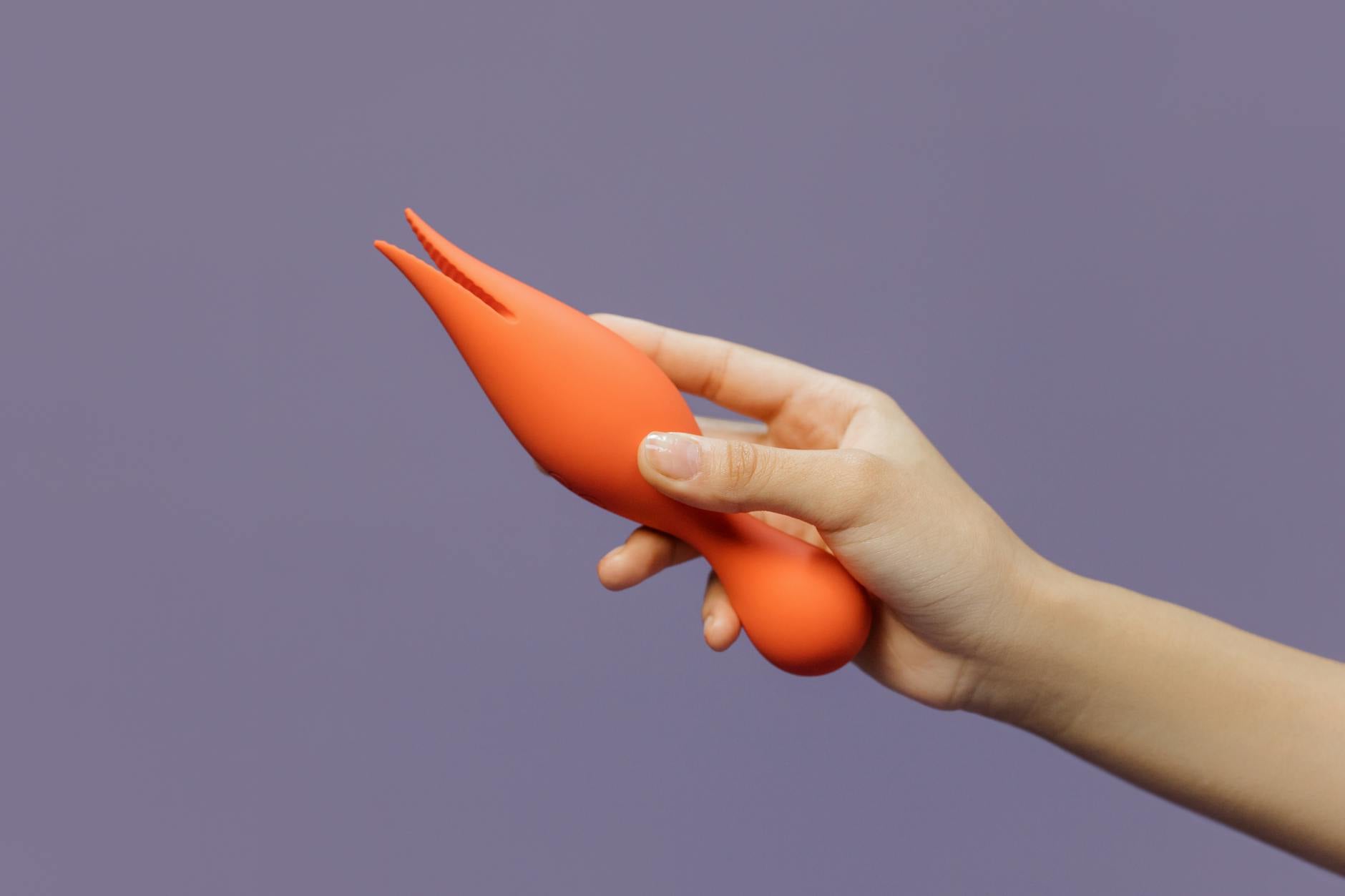
A good clitoral vibrator like the Lem (a lemon vibrator designed specifically for this work) shifts the dynamic from performance pressure to exploration. Here's why that matters during transitions.
First, it removes the expectation that your partner has to be the sole source of your pleasure. If you've been stressed for months, your nervous system might need external help to switch into arousal mode. That's not a reflection on your partner. That's physiology. A lemon vibrator lets you prioritize your own sensation first, which paradoxically makes reconnection feel less fraught.
Second, introducing a clitoral vibrator into reconnection is inherently collaborative. You can use it solo while your partner is present, or together. You can hand it over. You can show your partner how it feels. That communication loop rebuilds connection in the body before you ever try to rebuild it in conversation.
Third, the suction mechanism of devices like the Lem bypasses friction-based stimulation entirely. During transitions, when stress has maybe suppressed lubrication or sensitivity, suction-based vibrators often feel gentler and faster than traditional vibration. You're not fighting your body's stress response. You're working with it.
The emotional setup before you begin
Don't just introduce a lemon clitoral vibrator one evening without context. That often triggers defensiveness ("Do you think I'm not enough?") or pressure ("They want me to use this on them, but I don't know how").
Instead, have a conversation outside the bedroom. Use words like: "I've been thinking about us. Life's been hard, and I miss connecting physically. I found this thing that might help me relax faster so we can enjoy each other again. I want to try it together if you're open to that."
That framing says: this is about rebuilding us, not fixing you or me. If your partner resists, don't push. Resistance usually means they need reassurance, not persuasion. Explore why. Is it shame? Insecurity? Practical concerns about privacy or timing? Those are real problems to solve before bringing a toy into the mix.
Once you're both on board, the next step is agreement on context. Will you use it solo first while your partner watches? Will you use it during foreplay? Will your partner use it on you? These aren't rigid rules. They're a starting point that removes the "what now?" moment.
How to start using the lemon vibrator together
Set aside actual time. Not "whenever we feel like it." A specific 20 to 45 minute window where you've arranged childcare, silenced phones, and closed the door. Transitions kill spontaneity. Reclaim it with structure.
Start with the lower intensity settings. I know it's tempting to jump to maximum stimulation, but your nervous system is already in overdrive from life stress. Lower intensities (settings 1-3 on a device like the Lem) help you ease back into sensation without overwhelming yourself.
Build in foreplay that doesn't involve the toy. Touch, kissing, being present. This signals to both your nervous systems that this is pleasure time, not task time. Then introduce the lemon vibrator. You might start solo, warming yourself up, while your partner is present and engaged.
Once you're aroused, you can either continue solo and have your partner focus on other parts of your body, or you can hand over control. There's no right way. Let sensation guide you. If your partner wants to hold the Lem, show them the pressure and rhythm that works. Most couples find this teaching moment is actually one of the deepest points of reconnection. You're asking for what you need, and your partner is listening.
What to do if reconnection feels awkward
It will, at first. You're basically learning to have sex again after a gap. That's normal. Don't narrate it or apologize for it. Just stay curious.
If arousal is slow, that's fine. Give it 15 minutes. Stress suppresses blood flow, and blood flow takes time to return. The lemon vibrator's gentle suction actually helps prime the pump faster than traditional vibration for many people. Let it work.
If sensation feels muted, you're not broken. Your nervous system is still partly in threat-detection mode. Keep using the vibrator regularly (two to three times weekly) and it will recalibrate. Sensation often sharpens after a week or two of consistent use.
If you orgasm quickly and then panic ("That was too fast, my partner will feel bad"), pause. You're not finished. You can be intimate in other ways after. A orgasm isn't the end point of reconnection. It's a waypoint.
The conversation that matters more than the toy
Using a lemon clitoral vibrator during a transition works because it gives you permission to prioritize pleasure again. But the toy is just the container. The real work is telling your partner: my body matters, this transition hasn't killed my desire, and I want us to figure this out together.
That conversation might come before you use the vibrator. It might come after. It might evolve across several sessions. That's fine. You're not rebuilding everything in one night. You're rebuilding trust that you can still access pleasure together even when life is chaotic.
Reconnection after a transition isn't about returning to what you had. It's about discovering what you want now.
Common obstacles and how to work around them
Privacy is impossible. Use the vibrator during naptime, early morning, or after everyone's asleep. If your living situation is genuinely constraining, it can feel defeating. That's real friction to solve, but it's a logistics problem, not a pleasure problem. Sometimes scheduling 15 minutes of privacy requires more creativity than the sex itself.
One partner is far more interested than the other. Mismatched desire during transitions is incredibly common. The person who needs reconnection most often isn't the person who's most able to initiate. Solution: the more interested partner takes the lead on logistics (arranging time, bringing the toy, starting the conversation), but stops there. They invite, don't pressure. The other partner gets to set the pace.
Using the vibrator feels like admitting something's wrong. It does, until you reframe it. A lemon clitoral vibrator isn't a band-aid for a broken marriage. It's a tool for accelerating reconnection during a stressful season. Lots of healthy couples use them. Most do it specifically during transitions, new phases, or times when life is overwhelming.
When to bring in professional support
If you're using a clitoral vibrator together and still feeling disconnected, that's worth exploring with a couples therapist. The toy isn't magic. If the underlying issue is resentment, poor communication, or a values misalignment that the transition exposed, the lemon vibrator won't fix that.
But if you're just rusty, overwhelmed, and need to rebuild touch and trust, this approach works. Give it four to six weeks of consistent use before you decide whether it's helping. Transitions are long. Reconnection takes time.
FAQ: Using a Lemon Vibrator During Relationship Transitions
How often should we use a lemon vibrator during a transition to rebuild intimacy?
Aim for two to three times a week. That's enough frequency to signal to your nervous system that pleasure is a priority again, but not so much that it becomes another task. If you can only manage once weekly during an especially hectic season, that still counts. Consistency matters more than frequency. Two sessions a week for six weeks rebuilds connection better than six sessions in one week followed by nothing.
What if my partner doesn't want to watch or participate when I use a lemon clitoral vibrator?
Start there. They don't have to be present initially. Use the vibrator solo and don't mention it. After a few sessions, you'll feel more confident. Then you might say casually, "I've been using something that helps me feel better in my body again. Would you ever want to try it together?" Pressure kills interest. Invitation opens it. Some partners need to see that you're not trying to replace them. You're trying to rebuild access to pleasure, which benefits both of you.
Does using a lemon sucker during reconnection mean our sex life is broken?
No. It means you're being intentional about rebuilding it. Transitions stress relationships. A lemon vibrator is a tool that acknowledges the stress while creating a path forward. Think of it like couple's therapy. Nobody goes to therapy because their relationship is perfect. They go because they want to do the work of keeping it healthy. Same principle.
How do I explain a lemon clitoral vibrator to my partner if they've never used one before?
Keep it simple. "It's a clitoral vibrator designed for sensitivity. It uses suction instead of just vibration, so it feels different." Then offer to show them. Let them hold it (off), see the size, understand the intensity settings. Demystifying it removes the awkwardness. Most partners' resistance drops once they realize it's not a mysterious replacement. It's just a tool that helps you feel better.
Can we use a lemon vibrator if we're still in the thick of a major transition?
Absolutely. In fact, that's often the best time. Transitions are long. You can't put your relationship on pause for six months until everything settles. Using a clitoral vibrator during the chaos signals that you're still prioritizing connection even when life is hard. It doesn't have to be frequent or elaborate. Even once monthly during an intense transition helps.
What if we use the lemon vibrator and it just doesn't work for us?
Then you try something else. Some couples reconnect through massage. Some through extended foreplay without toys. Some through explicit conversation about desire. The vibrator is one avenue. If it doesn't resonate after a fair trial (four to six weeks of actual use), move on. The point is intention, not the specific tool.
You're not starting over. You're rebuilding.
Transitions reshape everything, including sex. That feels like failure until you realize it's just change. Using a lemon vibrator during reconnection is saying: "Our bodies matter. Touch matters. Even when life is chaos, pleasure is still available to us."
Start small. Set expectations low. Let sensation guide you. And remember: reconnection after a major life transition isn't about recapturing what you had. It's about discovering what you want now that you've both grown.
If you need guidance on other aspects of reconnecting during life changes, we're here to help. Contact us to explore more resources on rebuilding intimacy.