
The thing about new relationships and toys
You've been with someone for a few months. Things are good. The sex is good. And somewhere in your mind, you're thinking about bringing a lemon vibrator into the mix because you know it helps you feel better, come faster, or reach the kind of orgasm that makes the whole experience richer. But you're stuck on the opening line.
Honestly? Most people are. The anxiety isn't about the toy itself. It's about what introducing it might signal to your partner. Will they think you're not satisfied? Will they feel replaced? Will they assume you've slept with someone who used toys and now you're bringing that energy into our new relationship?
None of that is what's actually happening. But the fear is real, and it's worth naming before you have the conversation.
Why the timing matters more than you think
There's a sweet spot for this conversation, and it's usually between three and six months in. You've had enough sex that you've both relaxed a bit and shown each other who you actually are in bed. But the relationship is still new enough that introducing something feels like an invitation to explore together, not a correction of something that's broken.
If you bring it up in the first month, your partner is more likely to take it personally because they don't yet know that you like toys, that you've always used them, that this is just a normal part of how your body works. If you wait a year, they might feel blindsided or wonder why you kept it secret.
Timing also depends on relationship rhythm. If you've had several conversations about turn-ons, boundaries, or past relationships, the floor is already prepared. If sex has been mostly spontaneous and unexamined, you might need to build that conversational intimacy first.
The setup: how to actually bring it up
Don't do this during sex. Don't do this right before sex. Do this when you're clothed, fed, and not pressed for time. A weekend morning, a conversation during a walk, or even a deliberate "hey, I want to talk about something" moment works best.
Start with context about you, not the toy. "I've always used vibrators because they help me feel more pleasure" is a completely different opening than "I want to try a toy." The first frames it as something you do, a known part of your sexuality. The second frames it as a request or a new idea.
Then say what you actually want: "I'd love to try this together sometime. Not because anything's missing, but because I think it could feel really good for both of us." The honesty here matters. If you're genuinely curious about sharing it, say that. If you're bringing it up because you know lemon vibrators work better for your body and you want more reliable orgasms, that's also okay and worth stating plainly.
Expect some silence. Your partner might need a moment to process. They might ask questions. "How long have you been using toys?" "Will you use it instead of me?" "Is this something you've done with other people?" These are all fair. Answer them directly and without defensive energy.
What your partner might actually be worried about
Sexually inexperienced partners often worry that a toy means they're not enough. Experienced partners sometimes worry that you're comparing them to someone else's toy experience. Some people have religious or cultural baggage around sex toys and need time to work through that. Others are just unfamiliar and need reassurance that it's not a replacement.
What they usually don't worry about, once you explain it: that you're trying to enhance something you already like, not fix something broken. Pleasure expansion, not repair work.
If your partner seems resistant, don't push. Some people need more time. Some need more information. Some need to see you be comfortable with your own sexuality first. But also be real with yourself. If someone is deeply opposed to toys three months in, and toys are important to your sexual satisfaction, that's information worth factoring into your sense of compatibility.
The physical introduction: how to use it together
Once you've had the conversation and your partner has said yes, don't overthink the mechanics. Here's what I usually recommend:
Start with solo demonstration. Show them how you use the lemon clitoral vibrator on your own body first. This demystifies it. They see that it's not intimidating, that you know what you're doing, that it's genuinely just a tool that feels good. This is lowkey the most reassuring thing you can do. Watching your partner be confident and comfortable with their own pleasure is sexy.
Then invite participation. "I'd love it if you could hold it while we're together" or "want to try using it on me?" gives them a role. They're not being replaced. They're being invited into something you like.
Set realistic expectations. Lemon vibrators often work better than traditional vibration because the suction mechanism creates a different sensation. That doesn't mean every orgasm will be transcendent. It might take a few tries to find the right angle, pressure, and rhythm together. That's normal. The learning curve is part of the experience.
Common friction points and how to handle them
"This feels like you're having an orgasm without me." That's sometimes true. But it's not "instead of" your partner. It's "with." If your partner is worried about intimacy, focus on connection over isolation. Look at each other. Touch each other. Talk.
"I'm scared I'll hurt you." Lemon clitoral vibrators are gentler than they look because suction doesn't create the same friction damage that hard vibration does. But reassure your partner. Let them know what feels good. Give them feedback. They need to know they're not fumbling in the dark.
"Can we just use it as foreplay?" Yes, absolutely. You don't have to come from the toy during partnered sex. Some people use it to get warmed up, then move into penetration or other forms of touch. Others use it the whole time. There's no rule.
Building comfort over time
The first time you use a lemon vibrator with a new partner, it might feel a little clinical. That's fine. The second time will probably feel less weird. By the fourth or fifth time, it's just part of what you do together.
Some partners end up really into it. Some remain neutral but supportive. Some discover that they like watching you use it more than they like using it themselves. All of these are fine. The goal isn't for your partner to love the toy. The goal is for them to understand that you love how it feels and to respect that as part of your sexuality.
If you want to deepen this conversation over time, you can. How to use a lemon vibrator for better sex with a new partner covers longer-term integration. But right now, the foundation is just honest communication and permission for your own pleasure to matter.
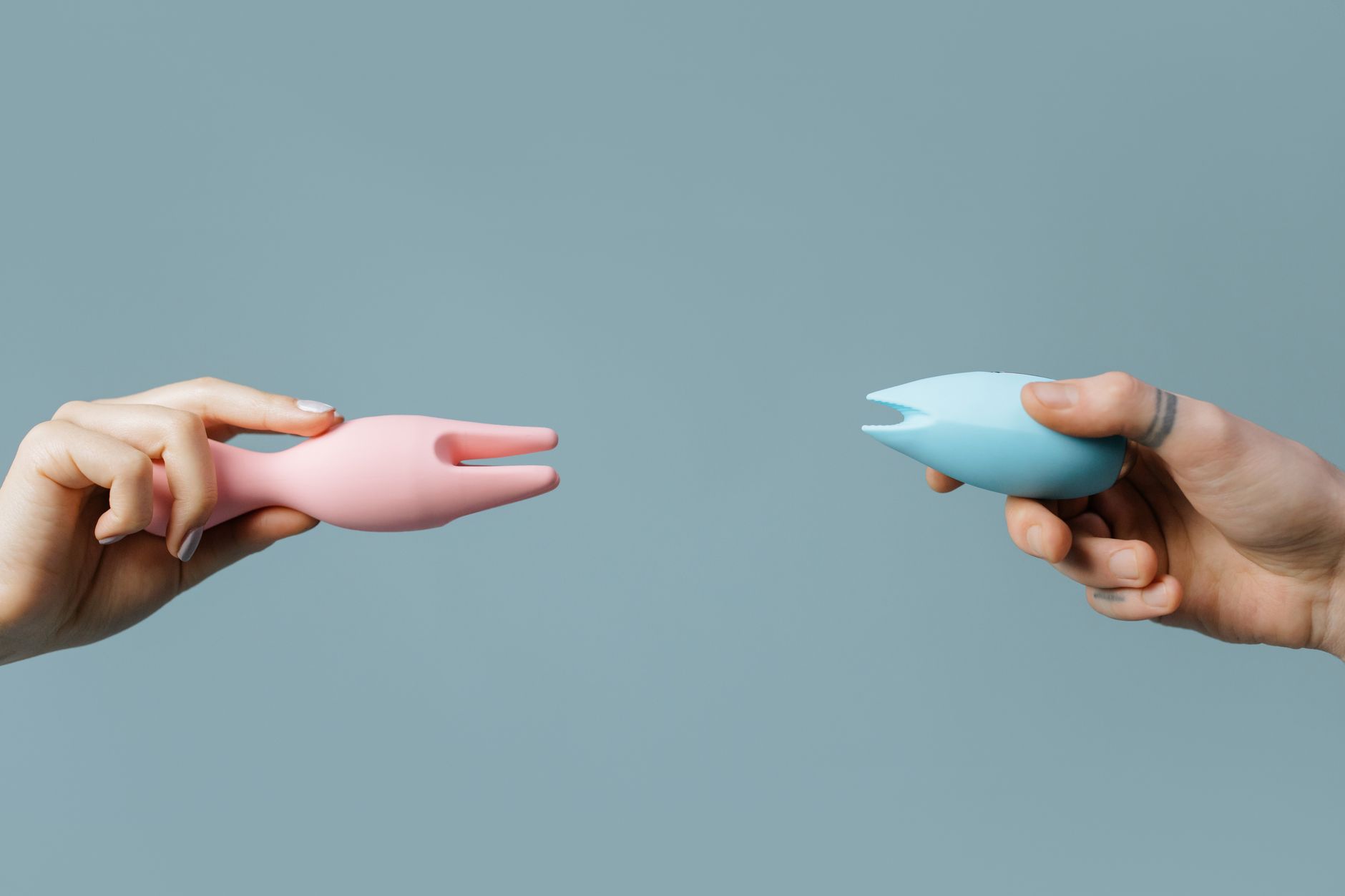
Photo by cottonbro studio on Pexels
Why this conversation actually strengthens relationships
Couples who can talk about sex toys tend to communicate better about sex in general. You're breaking the silence around pleasure. You're saying "my body matters and what feels good to me is worth discussing." You're inviting your partner into that rather than keeping it secret.
That vulnerability builds trust. It also usually leads to better sex because your partner now knows something important about how you work. They understand that you're someone who's intentional about pleasure, who's willing to be honest, and who doesn't treat sex as something to be ashamed of.
New relationships are the time to set these patterns. If you can have an awkward conversation about a lemon vibrator now, you can have harder conversations later. You're building the muscle for honesty.
Frequently asked questions
What if my partner says no? Respect it in the moment. Don't push. But revisit it in a few months if it matters to you. Sometimes people need time to adjust to an idea. That said, if your partner remains opposed and toys are integral to your sexual satisfaction, that's worth thinking about as a compatibility factor.
Should I show them a picture of the toy first, or just surprise them? Neither, really. Describe it. "It's a small, quiet device that uses gentle suction on the clitoris." Let them ask questions. Then show them if they want to see it. A lem vibrator looks like a modern piece of tech, which usually helps nervous partners feel less weird about it.
What if they want to use it on themselves? Wonderful. Mutual exploration is great. That's a full green light to the conversation you wanted to have.
How do I know if they're just saying yes to make me happy? Watch their body language and ask follow-up questions. "How do you actually feel about this?" "Would you want to try it?" You'll know if they're genuinely okay or just tolerating it. Trust that sense.
Is there a toy that's "less intimidating" for partners who haven't seen toys? Lemon vibrators are actually great for this because they look sleek and modern, not medical or extreme. But the toy matters less than the conversation. A partner who's comfortable with the idea will be fine with any design.
What if they get insecure during? Stop and talk. "What are you feeling?" Give them space to say it. Often it's not about the toy, it's about a feeling that came up. Reassure them specifically. "I'm using this because I love sex with you" lands differently than saying nothing.
Moving forward
This conversation is smaller than it feels before you have it. Once you've said the words, once you've explained what you want and why, the awkwardness usually dissolves. Your partner gets to know you better. You get to feel less like you're hiding part of yourself.
That's what new relationships are for. Building safety so you can be more fully yourself. A lemon clitoral vibrator is just the tool. The real thing you're introducing is honesty.
If you're still nervous about the conversation, read how to use a lemon vibrator when you get anxious during sex to get grounded in your own body first. Confidence is contagious. Your partner will feel it.