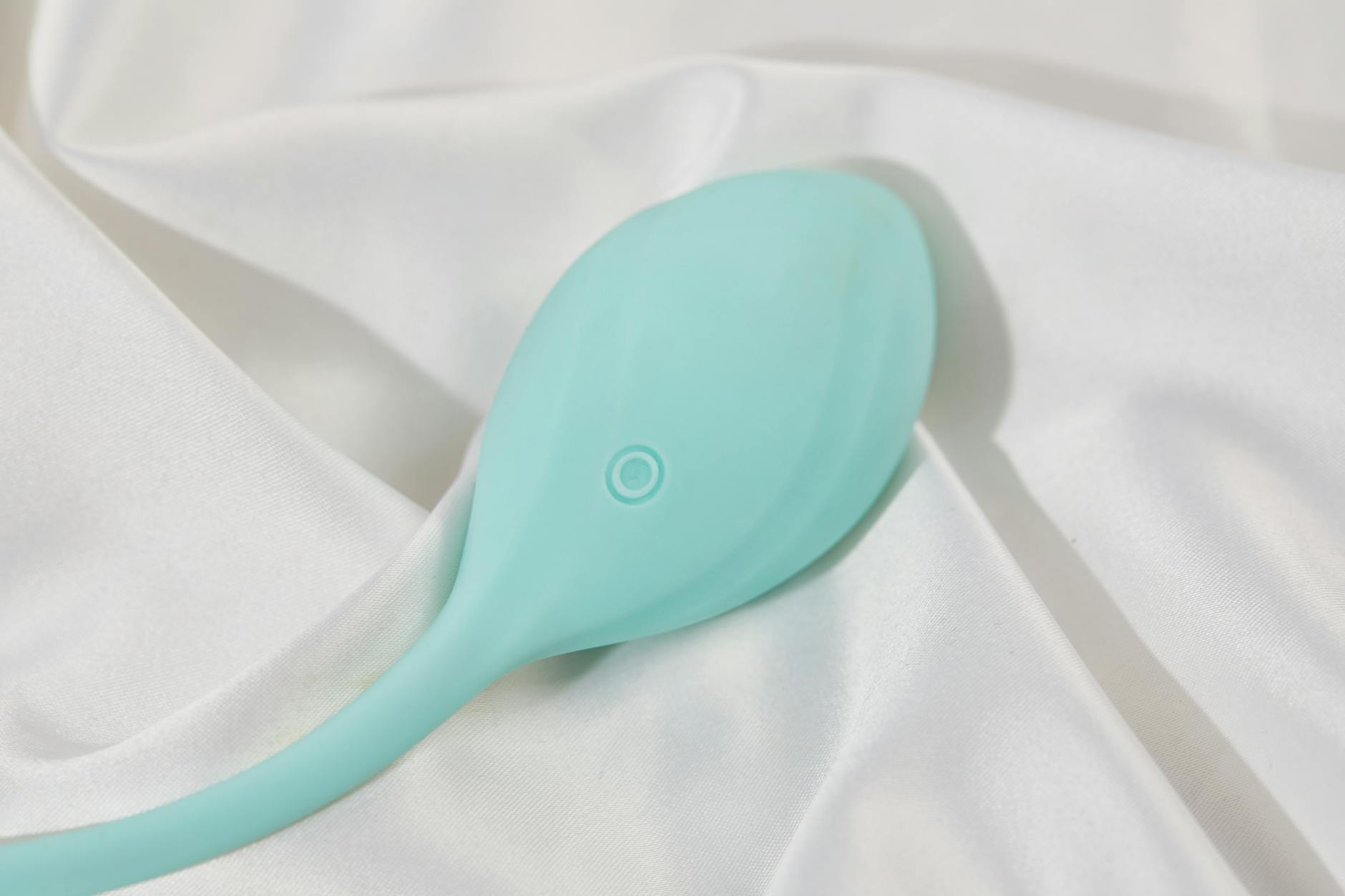
Let's talk about the thing nobody wants to admit
You bought a lemon vibrator. You turned it on. And then you wonder: why isn't this happening as fast as you expected? The internet told you clitoral vibrators work instantly, but your body didn't get the memo. Here's the thing. Orgasm timing with any vibrator, including a lemon clitoral vibrator, depends on far more than just having the right tool. It's not a weakness or a problem. It's just how bodies work.
I've worked with hundreds of people navigating pleasure timelines, and the most common frustration I hear is the gap between expectation and reality. Two minutes? Twenty minutes? Forty-five? All of it is completely normal. Let me walk you through what actually affects your timeline and why.
The baseline: what research actually shows
Studies on vibrator use show that orgasm onset ranges wildly. Some people orgasm within two to five minutes of vibrator contact. Others need fifteen to thirty minutes. And some days it takes longer than other days in that same person's life. That variance isn't a glitch. It's the actual normal.
Here's what matters more than the clock: whether you're reaching orgasm at all, whether it feels good, and whether the timeline makes sense for your body that day. If you're consistently reaching orgasm with your lemon vibrator, you're using it right, regardless of how long it takes.
Arousal state: the biggest factor most people ignore
The single strongest predictor of orgasm speed isn't your vibrator. It's how turned on you are before you start.
If you're touching yourself with a lemon vibrator when you're mentally somewhere else, barely interested, or still in the "I should probably do this" headspace, it will take longer. Sometimes a lot longer. Some people never reach orgasm in that state, and then blame the tool.
Real talk: you need to actually want this. Not "I have time so I might as well." Actual desire, even if it's small. The clitoral vibration works on a nervous system that's already primed. If your nervous system is calm or distracted, the signal is weaker.
This is why people often report faster orgasms with a partner present, even if the partner isn't directly involved. The anticipation and mental engagement matter.
Stress and nervous system state: why your timeline shifted
You used your lemon clitoral vibrator in five minutes last month. Today it took fifteen. You're not broken. Your nervous system state changed.
Stress tightens the pelvic floor. It dampens arousal signals. It pulls your attention away from sensation. High cortisol literally interferes with the orgasm response. This is why the same vibrator can feel completely different on a calm Tuesday versus a stressful work week.
If you've been dealing with anxiety, grief, deadline pressure, or relationship tension, your orgasm timeline might lengthen by five to ten minutes. Or longer. Again, completely normal. Your body isn't failing you. It's responding to your actual stress level.
Medication and hormones: the invisible timeline shifters
Antidepressants, particularly SSRIs, are famous for extending orgasm timelines. Birth control can change how quickly arousal builds. Caffeine can speed things up or tense the pelvic floor and slow things down, depending on the person. Alcohol softens sensation, which sometimes helps relaxation but often extends the timeline.
If you started a new medication or changed your hormonal contraception and noticed your lemon vibrator timing got longer, that's almost certainly why. It's not your device. It's your chemistry. Talk to your doctor if it bothers you, because there are often adjustments that help.
Pelvic floor tension: why tightness extends the timeline
A tight pelvic floor is like trying to sprint with clenched fists. The nervous system can't relax into the sensation fully, so the chain reaction toward orgasm gets stalled.
People with reactive pelvic floor tension often find that their lemon vibrator takes longer to produce orgasm. The tightness isn't a problem with the vibrator. It's blocking the signal. Kegel-style exercises sometimes help, but honestly, learning to consciously relax the pelvic floor works faster. Breathwork, pelvic floor stretching, or even just noticing when you're clenched and releasing it during stimulation can cut your timeline significantly.
Sensitivity and nerve density: your individual wiring
Not everyone's clitoris responds to sensation at the same speed. Some people have denser nerve clusters. Some are more easily aroused neurologically. Some need a certain pattern or rhythm before the body catches up. This is genetic variation, not malfunction.
If your timeline with a lemon vibrator is consistently longer than you'd like, you might benefit from exploring intensity settings. Or you might discover that you need a longer warm-up period before you introduce the vibrator at all. Working with your body's actual sensitivity rather than against it makes the timeline feel irrelevant.
How to speed up your timeline (without rushing)
If you genuinely want to orgasm faster, here's what I recommend:
Build arousal first. Spend five to ten minutes on non-genital touch, fantasy, or partner interaction before introducing the lemon vibrator. Your nervous system primes faster when it's already engaged.
Check your pelvic floor. Take a breath. Are you clenched? Consciously relax. This single change can cut your timeline by half.
Reduce distractions. Phone in another room. Close the door. Tell your partner you need an hour. Your brain needs to be available for the sensation.
Know your rhythm. Some people orgasm faster with a specific pattern. If your lemon clitoral vibrator has settings, experiment. Pattern three might hit faster than pattern one.
Manage stress before the moment. A five-minute walk, a breathing exercise, or even just putting your phone away for twenty minutes beforehand can shift your entire nervous system state.
These matter more than anything about the vibrator itself.
What's actually worth worrying about
Here's what isn't a problem: taking ten minutes instead of five. Needing different timelines on different days. Discovering your timeline changed after a medication switch or life transition.
Here's what might be worth investigating: if you can't reach orgasm at all with a lemon vibrator despite trying over multiple sessions. Or if you experience pain. Or if the timeline shifted suddenly and nothing in your life changed. Those things are worth talking to a doctor about.
But "my orgasm took longer than I expected" isn't a problem. It's just a data point about your body that day.
FAQ: Timing and the lemon vibrator
How long should it take to orgasm with a lemon clitoral vibrator?
Anywhere from two minutes to thirty minutes or longer is completely normal. The average is probably somewhere between five and fifteen minutes for most people in most scenarios, but average is useless because your body isn't average. Focus on whether you're reaching orgasm at all, not whether you're meeting some imaginary timeline.
Why does my lemon vibrator take longer some days than others?
Stress, hormones, arousal level, pelvic floor tension, what you ate that morning, how much sleep you got, relationship dynamics, medication, and a hundred other variables all affect orgasm speed. You're not broken. Your nervous system is responding to your actual circumstances.
Can I speed up my orgasm with a lemon sucker or clitoral vibrator?
Yes, but not the way you think. The vibrator isn't the lever. Your nervous system is. Reduce stress, manage pelvic floor tension, build arousal before using the device, and eliminate distractions. Those moves matter more than any feature of the device itself.
Does using a lemon vibrator frequently make me orgasm faster over time?
Not necessarily. Some people report faster timelines with familiarity. Others don't notice a shift. What often happens is that you get better at using it correctly, which can feel like it's working faster because it's working better. You're not rushing. You're collaborating with your body.
What if I can't orgasm with a lemon vibrator even after fifteen minutes?
First, check pelvic floor tension. Second, make sure you're actually aroused before you start. Third, consider whether stress or medication is playing a role. If none of that applies, try a longer warm-up, a different setting, or a different pattern. Some people also benefit from combining the vibrator with partnered touch or mental engagement. It's not a device failure. It's an efficiency question.
Is it normal if my lemon clitoral vibrator feels different inside versus outside during use?
Completely normal. Internal sensation and external sensation use different nerve pathways. Many people experience reduced internal sensation while external clitoral stimulation remains strong. Use the vibrator where it works best for your body, which is almost always externally for most people anyway.
The actual takeaway
Your timeline with a lemon vibrator is yours alone. Two minutes, twenty minutes, or forty-five minutes. All of it is fine. Stop comparing your nervous system to an imaginary standard and start noticing what actually helps you reach orgasm. Is it a calm environment? Longer arousal? A specific vibrator pattern? A partner nearby? That information is worth far more than hitting some arbitrary time target.
Your pleasure isn't a performance metric. It's a signal from your body about what works. Listen to that signal instead of fighting against it.