Here's the thing about overwhelm and touch
When your nervous system is in overdrive, even the gentlest hand on your shoulder can feel like an electric shock. Physical affection that used to feel comforting suddenly triggers a flinch. Your partner means well. You know that. But your body isn't listening to intention right now. It's listening to threat.
This happens more than anyone talks about. Stress, anxiety, sensory processing sensitivity, past trauma, burnout, chronic pain, or even just too much happening all at once can rewire how your skin interprets touch. And when that happens, exploring pleasure feels impossible. Not because you don't want it. Because your body won't let you.
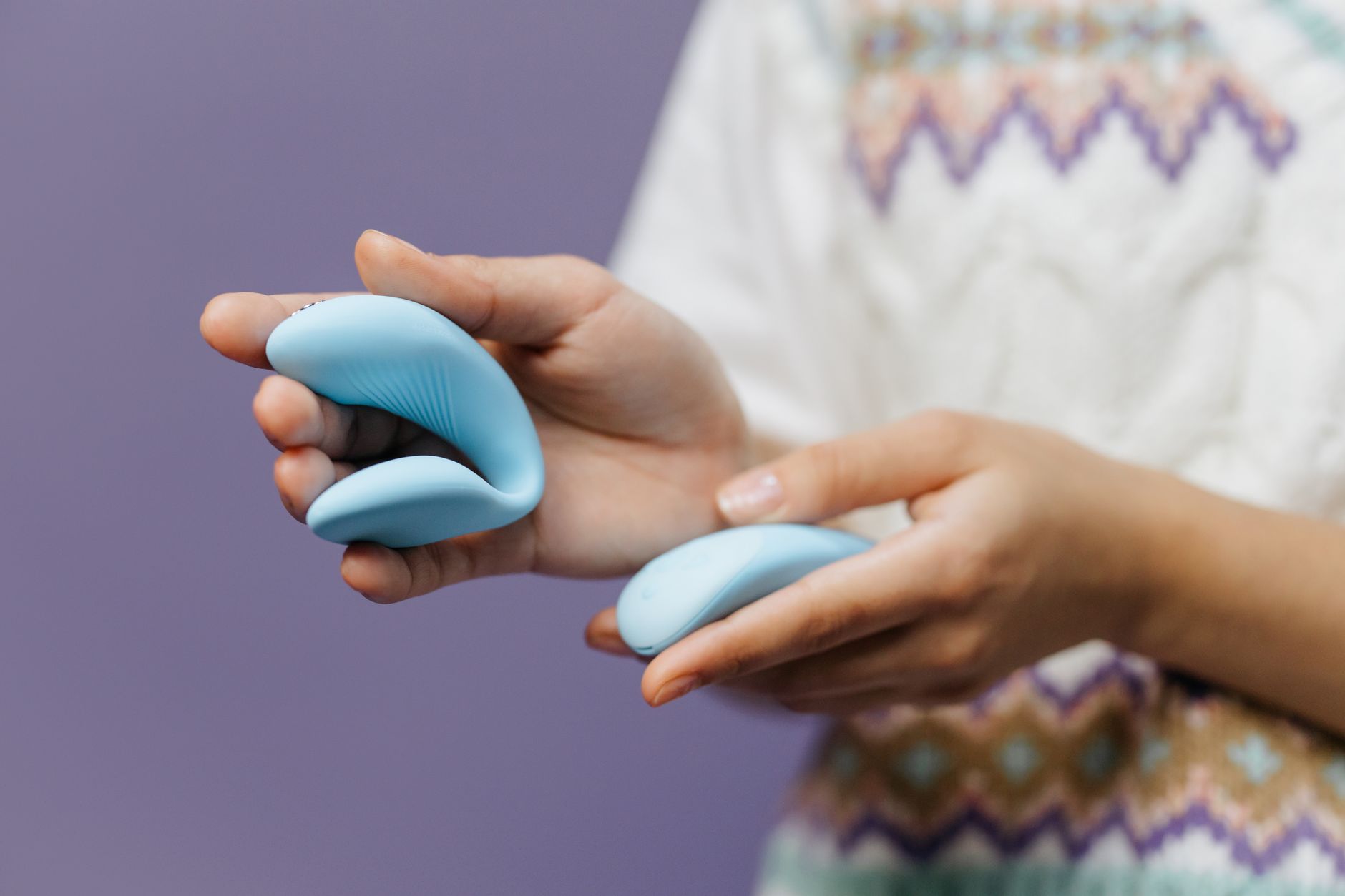
Here's what lemon vibrators do differently. They let you control the exact sensation, the speed, the pressure, and the timing. No surprises. No adjusting to someone else's rhythm. Just you, alone, learning what your body can actually handle right now.
Why suction changes the game for sensitive systems
Most vibrators create sensation through friction and rhythmic buzzing. A lemon clitoral vibrator works through gentle suction. That distinction matters when your nervous system is triggered.
Suction feels less like vibration and more like a sustained, pulsing pressure. Your clitoris has thousands of nerve endings, and suction activates them differently than traditional vibration does. For people whose systems are in high-alert mode, this gentler approach feels more manageable. Less jarring. Less like an assault and more like sustained attention.
There's also a psychological component. Suction feels contained. Controlled. You're not being stimulated by something that's moving all over the place. You're held. And for people whose trauma or stress lives in their body, that containment can be the difference between shutting down and actually feeling something.
The autonomy piece is everything
When you're dealing with sensory overwhelm, control is the antidote. A lemon clitoral vibrator gives you complete autonomy over:
The intensity. You choose. Start at the lowest setting and work up at whatever pace your nervous system allows. No pressure to perform. No "come on, you used to like this." Just your pace.
The duration. Stop whenever you need to. Five minutes, fifteen seconds, thirty minutes. Your body, your call.
The context. No negotiation with a partner about whether now is a good time. No managing someone else's disappointment if you need to pause. Solo pleasure means solo decision-making.
The timing. When your nervous system is dysregulated, pleasure often needs to happen in small windows. Maybe you have five minutes after work when your anxiety drops before dinner stress kicks in. A lemon vibrator lets you use those windows. No lengthy buildup required.
This autonomy does something profound. It tells your nervous system: "You're safe. You're in charge. Nothing can happen to you that you didn't explicitly choose." That's not therapy, but it supports the work therapy does.
Building tolerance through consistent, gentle exploration
One of the most useful things about lemon vibrators for people managing sensory sensitivity is that they let you practice pleasure in controlled doses. Your nervous system can learn that touch (even self-touch with a toy) doesn't have to be overwhelming.
Start with the lowest setting. Maybe you use it for just a few seconds the first time. Your goal isn't orgasm. It's just noticing: what does this feel like? Can I tolerate it? The answer might be no today. That's information, not failure.
Over time, as you repeat this small, controlled exposure, your nervous system can recalibrate. You're essentially teaching your body: this specific sensation is safe. It's predictable. It's yours to control. Slowly, the triggering response can soften.
This is the same principle therapists use for exposure therapy. Small, repeated, controlled exposure to something that used to trigger you can help your system learn it's not actually dangerous. A lemon clitoral vibrator becomes a tool for that recalibration.
When to bring a partner into the conversation
If you're partnered, your overwhelm might land differently on them. They might feel rejected. Hurt. Confused about why affection that used to work now doesn't. This is a common place couples get stuck.
The honesty helps. "My nervous system is in a heightened state right now. This isn't about you or how I feel about you. It's about my capacity for sensation." That's different from "you're too much" or "I don't want you."
If your partner is willing, you can also invite them into this exploration. Maybe they sit nearby while you use your lemon vibrator. Maybe they learn what your nervous system needs right now (gentler touch, more space, less surprise contact). Maybe the conversation becomes: what can we do together that feels manageable for your system?
Some partners find that watching you explore your own pleasure solo is actually connecting. It's intimate without triggering your overwhelm. It's seeing you take care of yourself. That can be its own form of closeness.
What actually changes when your nervous system settles
Here's something important: using a lemon vibrator when you're overwhelmed isn't a permanent workaround. It's a bridge.
As your stress decreases, as you work through whatever's driving the sensitivity, as your nervous system naturally settles back to baseline, your capacity for touch will likely expand. The same gentle suction that felt manageable three months ago might feel less intense now. You might want more. You might feel ready for partner touch again.
The lemon vibrator doesn't lock you into solo pleasure. It just gives you a way to maintain connection to your own sexuality and pleasure while you're in a season where traditional affection feels like too much.
The frequency question
Some people worry that using a vibrator while overwhelmed means they're avoiding real intimacy. The fear is: will I always need this now? Will I forget how to be touched?
No. Your body is incredibly adaptable. As your baseline stress drops, your sensory tolerance naturally increases. The vibrator is a tool for right now. Not a permanent replacement for human touch.
That said. Even when you're no longer overwhelmed, you might keep using it. Because you like it. Because it feels good. Because solo pleasure is valuable independent of whether you're in crisis. That's not avoidance either. That's just knowing what you like.
When overwhelm signals something deeper
If you're consistently unable to tolerate any touch, even from yourself, that's worth bringing to a therapist. Sensory sensitivity can exist on a spectrum, and some of it is wiring. Some of it is nervous system dysregulation that responds to specific treatment. Some of it is past trauma that needs professional processing.
A lemon vibrator is genuinely helpful for managing pleasure during overwhelm. But it's not a substitute for addressing what's causing the overwhelm in the first place. The tool and the therapy work together.
People also ask
What if even using a lemon vibrator alone feels like too much?
Start smaller. You don't have to turn it on right away. Just hold it. Look at it. Notice what your body does. Some people need weeks of desensitization before they're ready for sensation. That's completely normal. There's no timeline here except the one your nervous system needs.
Can I use a lemon vibrator if I'm on anxiety medication?
Yes. Anxiety medication and vibrators are compatible. In fact, once your medication starts reducing your baseline anxiety, you might find that sensation feels more manageable. Talk to your prescriber if you have specific concerns, but there's no contraindication between the two.
Does using a lemon vibrator solo make partnered sex harder later?
Not in the way you're probably worried. Your body won't forget how to respond to human touch. What might shift is that you've learned what sensation you actually like. That knowledge is useful. It helps you communicate with a partner about what feels good. That's not avoidance. That's actually increasing intimacy.
How often should I use a lemon vibrator when dealing with sensory overwhelm?
As often as feels good. There's no medical guideline here. Some people use their vibrator daily as part of their anxiety management. Some use it a few times a week. Some use it only when they're in a triggered state. All of those are fine. You're not "using it wrong" if your frequency is different from someone else's.
Is it normal to feel nothing the first few times?
Completely. If you're stressed or triggered, your nervous system might be so protective that it numbs you out. You might not feel sensation right away. That doesn't mean the vibrator isn't working. It means your body is still in defensive mode. Keep exploring at whatever pace feels tolerable. Sensation often comes as your nervous system settles.
What if I want to use a lemon vibrator but I'm worried about what my partner will think?
That's worth a separate conversation, but briefly: your pleasure and your nervous system's regulation are yours to manage. You get to explore what helps. If your partner responds poorly to that, that's information about the relationship that might be worth exploring with a couples therapist. Your body's needs don't stop being valid because someone else feels uncomfortable.
The bottom line
When physical affection feels overwhelming, pleasure feels impossible. A lemon clitoral vibrator doesn't force anything. It just gives you a controlled, gentle way to stay connected to your own body while your nervous system recalibrates. That might be for a few weeks. It might be for months. There's no expiration date on taking care of yourself.
If you're ready to explore, a lemon vibrator designed for sensitive bodies is a genuinely useful tool. Not a crutch. Not a replacement for real intimacy. Just a way to remember that your pleasure matters, even when everything else feels like it's on fire.
You deserve touch that feels good. Right now, that might look different than it used to. That's not a failure. That's you being smart about what your body actually needs.
Have questions about how to start? Reach out to our team — we're here to help you find what works for your body.