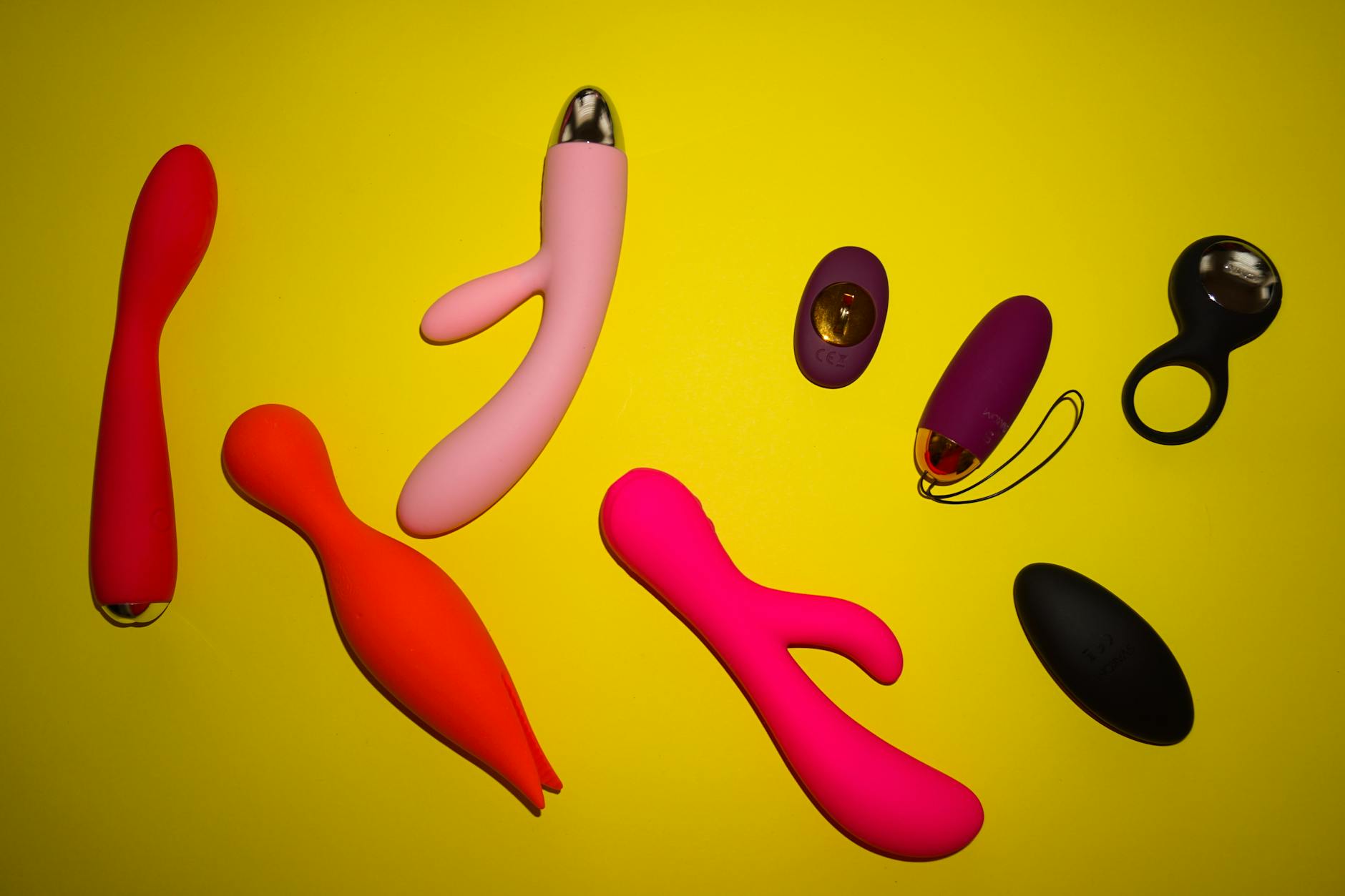
How Lemon Vibrators Compare to Traditional Vibration for Building Sustained Arousal
The thing no one tells you about arousal
Your body doesn't build pleasure the same way your phone builds a charge. It's not linear. Traditional vibrators work like an on-off switch. Lemon vibrators work like a dimmer. One feels urgent and intense. The other feels like invitation.
Between you and me, most people have spent their entire sexual lives with urgent.
Why traditional vibrators buzz instead of building
A standard clitoral vibrator uses rapid oscillation, usually between 7,000 and 10,000 vibrations per minute depending on the setting. Your nerve endings register this as constant stimulation. The brain gets a signal fast. You feel aroused quickly. But here's what happens next: your nervous system adapts. The sensation becomes familiar. Intensity has to keep climbing to feel the same. By the time you're 15 minutes in, you're either already finished or hunting for the next level up.
It's not a bad system. For some bodies, for some moments, it's perfect. But it's a high-intensity cycle, and it doesn't suit everyone.
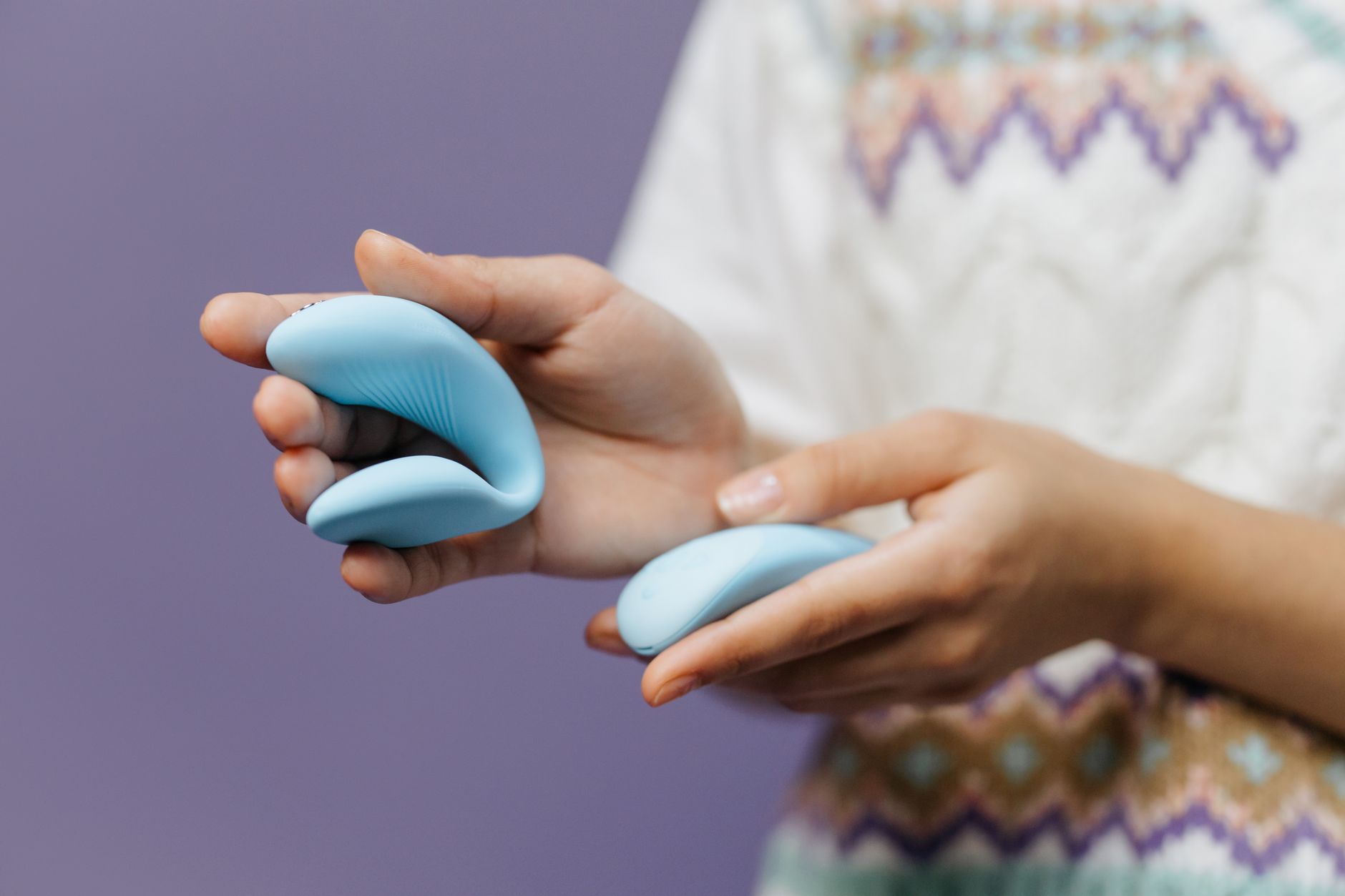
Photo by cottonbro studio on Pexels
The nervous system has two branches: sympathetic (fight or flight) and parasympathetic (rest and digest). Traditional vibration activates sympathetic arousal. It's fast-acting but also tiring. Your heart rate spikes. Muscles tense. There's a finish line.
Lemon vibrators, which use suction-based stimulation instead of direct vibration, activate a different pathway. The sensation is gentler, rhythmic, and more variable. Your nervous system settles into parasympathetic arousal. You're not climbing a mountain. You're floating. Orgasm, when it comes, doesn't feel like the end of something. It feels like the natural conclusion to something much longer.
How suction actually works on the clitoris
Your clitoris has about 8,000 nerve endings. The ones that matter most for pleasure cluster at the glans, the external part you can feel. But the clitoris is a wishbone shape. Most of it is internal. A lemon clitoral vibrator stimulates the glans through gentle suction and release, creating a rhythmic pattern that feels more like skin contact than vibration.
Traditional vibrators stimulate the same area through direct pressure and buzzing. It's fast and efficient. A lemon sucker, by contrast, uses air pulse technology. The sensation mimics the feeling of oral sex without the intensity. Nerve impulses travel to the brain at a different rhythm. Instead of constant noise, your nervous system processes a pulsing signal.
Over time, this pulsing pattern keeps your body engaged without the numbing effect of sustained high-frequency vibration. Twenty minutes in, you're not chasing the same buzz. You're three layers deeper into arousal.
The arousal timeline: buzz versus suction
Let me walk you through what happens in real time.
Minutes 0-3 (Traditional vibrator). Your brain floods with dopamine. The sensation is immediately noticeable. You feel desired and engaged. Heart rate increases.
Minutes 3-10 (Traditional vibrator). Nerve adaptation kicks in. The stimulation feels less novel. You adjust the intensity or add a second toy. Your body is working harder to maintain the same sensation.
Minutes 10-20 (Traditional vibrator). Arousal has plateaued or you've finished. Many people report that the intensity required to reach orgasm at minute 18 is much higher than what felt good at minute 5.
Now, the lemon vibrator timeline:
Minutes 0-5 (Lemon vibrator). Arousal builds slowly. The sensation feels good but not urgent. Your nervous system isn't jolted into high alert. You feel relaxed.
Minutes 5-15 (Lemon vibrator). This is where the magic happens. Arousal deepens without requiring increased intensity. The suction pattern creates a wave-like sensation that keeps your body engaged without exhausting your nerve endings. Your mind quiets. You stop thinking about whether this is working.
Minutes 15-25 (Lemon vibrator). Arousal can keep building or plateau comfortably. Many people find that they can explore different sensations, movements, or pressure without starting from scratch. Orgasm, when it arrives, often feels more full-bodied. Fewer people report that the buildup was wasted effort.
Why sustained arousal matters
Here's the thing: longer arousal isn't better just because it's longer. It's better because it activates different pleasure pathways. When you're in parasympathetic mode, your body releases different chemicals. More oxytocin (bonding and pleasure). More prolactin (deep satisfaction). Less cortisol (stress hormone). Your nervous system isn't preparing for an emergency. It's settling into sensation.
This matters especially if you've spent years with traditional vibrators and noticed that pleasure felt increasingly hard to access or that you needed more intensity over time. It's not you. It's neural fatigue. Your nervous system got used to the signal.
Switching to a lemon vibrator can reset that. The suction sensation is so different from conventional vibration that it bypasses the adaptation entirely. You're not asking your nerves to feel something they've learned to ignore. You're introducing them to a completely new language.
For partners: what's different in the bedroom
Traditional vibrators are often tools for solo finishing. Fast, reliable, effective. Lemon vibrators have a different rhythm. Because arousal builds more slowly and sustains longer, they invite exploration and presence. There's time to shift position, change pressure, add a hand, involve your partner.
Many couples find that a lemon vibrator changes the quality of partnered sex because it doesn't replace the human element. You're not turning it on and fast-forwarding to the end. You're turning it on and slowing down the entire experience.
The sensitivity piece nobody mentions
If your clitoris is sensitive or has reduced sensation, traditional vibrators can actually make things worse. High-frequency vibration can feel overwhelming or even create a numbing effect. Suction-based stimulation like a lemon clitoral vibrator applies gentler pressure while creating rhythmic stimulation. The result is that you can enjoy longer sessions without discomfort or desensitization.
This is especially useful if you've taken hormonal medications, experienced menopause, or have conditions like PCOS that affect clitoral sensitivity. The suction approach gives you control you might not have had with conventional toys.
The practical differences when you're actually using them
With a standard vibrator, you're aiming for intensity. Pattern, speed, pressure. The goal is finding the right combination and staying there.
With a lemon sucker, you're aiming for presence. How does this feel now? A little more suction? A little less? Can I move? Can my partner touch me? The sensation changes based on angle, pressure, and movement in ways that conventional vibration doesn't. Your body stays engaged because the input is always slightly different.
For many people, this feels less like a sex toy and more like an extension of partnered touch.
When to choose traditional vibration and when to choose suction
Traditional vibrators are ideal if you want fast results, have high sensation needs, or are looking for specific patterns and rhythms. They're reliable and direct.
Lemon vibrators are ideal if you want sustained arousal, have sensitivity concerns, need more presence and control, or are looking to reset your nervous system after years of high-intensity stimulation. They're exploratory and invitational.
Most people benefit from having both. Traditional vibrators for rushed mornings or specific moods. Lemon vibrators for longer sessions or when you want arousal to feel expansive instead of pointed.
The biggest surprise most people report
After switching to suction-based stimulation, many say that their body remembered how to feel pleasure differently. Not better, necessarily, but more varied. Orgasms feel less like an achievement and more like a natural unfolding. Arousal feels less like a climb and more like a conversation.
If you've been relying on traditional clitoral vibrators and noticed that pleasure has gotten harder to access or more one-dimensional, that's a sign that your nervous system might benefit from a different approach. A lemon clitoral vibrator isn't a replacement. It's an invitation to explore what your body is actually capable of when it isn't being asked to work so hard.
People also ask
Can a lemon vibrator give you the same intense orgasm as a traditional vibrator?
Absolutely. The pathway is different, but the destination isn't diminished. Many people report that suction-based orgasms feel more intense, not less, because your entire body is involved instead of just your clitoris being forced into high gear. The buildup allows for more full-body engagement, deeper pelvic floor involvement, and a more complete sensation. Intensity and presence aren't the same thing. You can have both with a lemon sucker.
How long does it take to adjust from traditional vibrators to a lemon clitoral vibrator?
Usually a few sessions. Your nervous system is incredibly adaptive. After 3-4 times using a lemon sucker, you'll stop comparing it to traditional vibration and start exploring what it does uniquely. Some people switch back and forth depending on the day and their needs. There's no commitment required to try a different approach.
Is lemon suction simulation better for people with reduced sensation?
For many, yes. If you've lost clitoral sensitivity from hormonal changes, medication, or desensitization from years of high-intensity vibration, suction can feel more accessible. The pressure is gentler, the stimulation is rhythmic rather than constant, and you have more control over intensity. It's worth testing if traditional vibrators have stopped working for you.
Can you use a lemon vibrator with a partner, or is it mostly for solo use?
Both. Lemon vibrators work beautifully in partnered sex because the buildup is slower and the sensation invites involvement rather than replacing the partner. You can use it during foreplay, during penetration, or as a bridge between partnered touch and solo exploration. The rhythm and sensation actually enhance partner presence instead of detracting from it, which is different from many traditional vibrators.
Why does suction feel less intense at first if it's supposed to be better?
It's not less intense. It's differently intense. Your nervous system is used to high-frequency vibration signaling maximum arousal immediately. Suction sends a different signal: sustained, variable, invitational. The first time you use a lemon sucker, your brain might interpret the difference as "less." By session 3-4, you'll realize it's "different in a way that goes deeper." Give it time. Arousal quality isn't about the first 30 seconds. It's about the whole experience.
What if I like intense stimulation? Is a lemon vibrator wasted on me?
Not at all. Plenty of people with high intensity needs love lemon vibrators because they can use the suction for longer without that numbing effect. You can gradually increase suction level and add movement. The advantage is that you're not trapped on an intensity escalator like you are with traditional vibrators. You have range, control, and the option to sustain instead of sprint. Try one on a day when you're not in a rush and see what happens when intensity isn't the goal.
The choice between a lemon clitoral vibrator and traditional vibration isn't about one being objectively better. It's about what your body needs right now and what kind of arousal experience actually serves you. If sustained, exploratory, full-bodied pleasure sounds appealing, suction-based stimulation is worth investigating. If you want fast, direct results with minimal complexity, traditional vibration still does that job perfectly.
Most people find that having access to both gives them the flexibility to match their pleasure to their actual life instead of forcing their body into someone else's rhythm. That's the real win.
If you want to explore this further or have specific concerns about what might work for your body, reach out. I'm always happy to talk through what might serve you best.