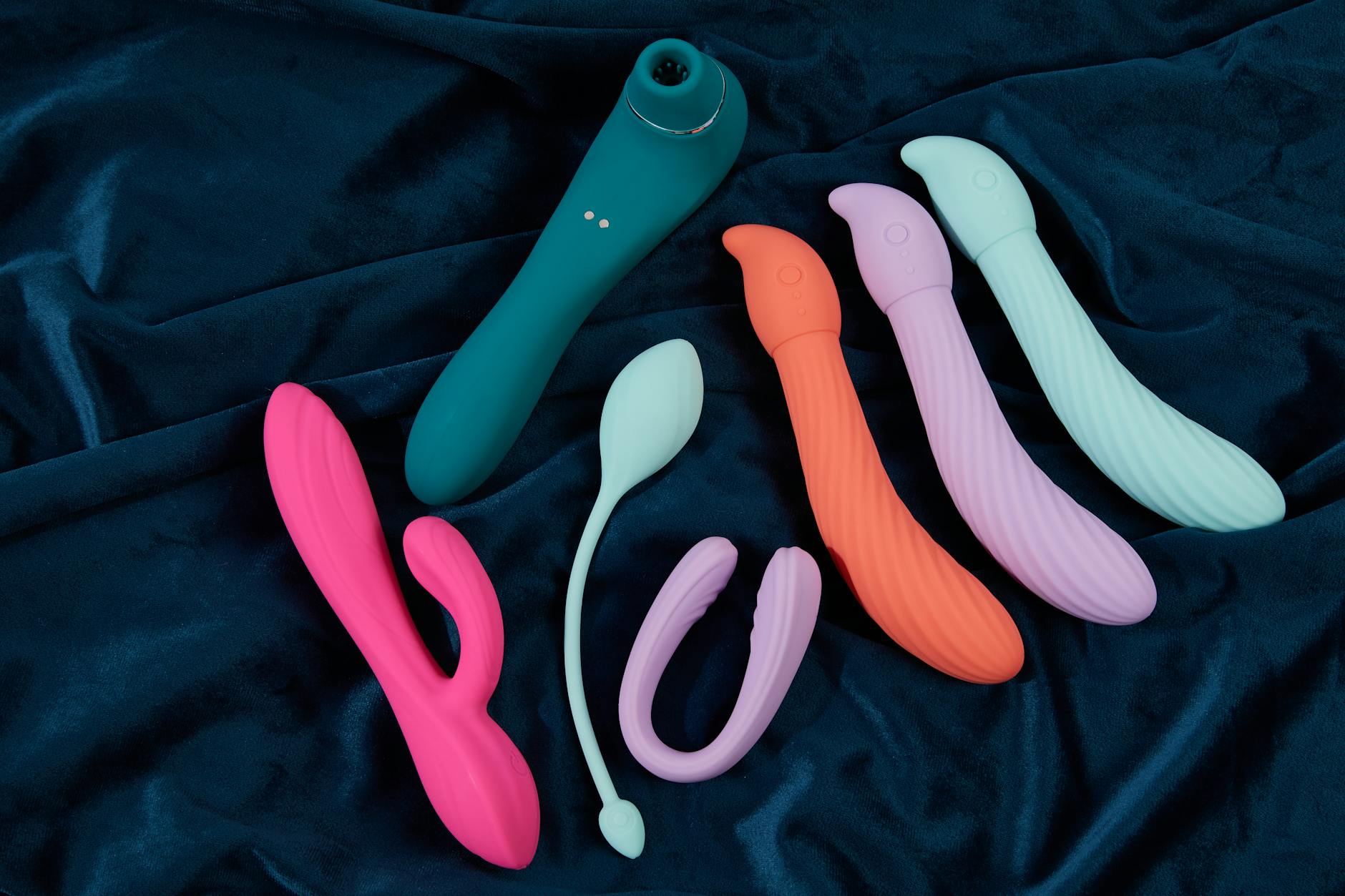
Can Lemon Vibrators Really Help Restore Desire?
Let's be honest. You're not broken. Low libido feels like a character flaw when you're living it, but it's almost always a signal. Your body's way of saying something needs attention. The question isn't "What's wrong with me?" It's "What's my nervous system trying to tell me?"
Clitoral vibrators like lemon sexual toys can help. But not in the way you might think. They're not a cure for low desire. They're a tool for reconnection. And sometimes, reconnection is exactly what rekinddles the whole thing.
Why Desire Actually Disappears
Libido doesn't vanish because you stopped loving your partner or because your body failed you. It disappears for reasons, usually several at once.
Stress is the heavyweight champion of desire killers. When your nervous system is stuck in survival mode (overwhelmed at work, managing family logistics, processing grief), sexual appetite gets deprioritized. That's not laziness. That's basic neurobiology. Your brain is smart enough to know that reproduction isn't the priority when you're running from a metaphorical lion.
Eternal emotional labor kills desire too. If you're managing your partner's emotions, monitoring the relationship temperature, or carrying the mental load of partnership planning, your nervous system stays activated in a defensive way. You're not relaxed. You're working. And working isn't sexy.
Repetition flattens desire. After years together, the novelty dissolves. That's normal and actually a sign of attachment security. But secure attachment without intentional novelty becomes predictable. Predictable isn't an aphrodisiac.
Hormonal shifts matter. Birth control, perimenopause, thyroid issues, and antidepressants all affect libido legitimately. This isn't in your head.
And sometimes, resentment is doing the work. If there's unresolved conflict, inconsistent effort from a partner, or a pattern of needs going unmet, your body knows. It pulls back. It's protective.
What Clitoral Vibrators Actually Do for Desire
A lemon clitoral vibrator doesn't fix the stress or resolve the resentment. But it does three useful things.
First, it interrupts the avoidance loop. When desire is low, sexual initiation feels performative and exhausting. You avoid sex. Avoiding sex makes it harder to reconnect. The gap widens. A vibrator that you control, alone or with a partner, removes the performance pressure. You're not working for anyone else's pleasure. You're just exploring sensation. That changes the emotional temperature.
Second, it teaches your nervous system what pleasure feels like again. Low libido often comes with numbing. You're not feeling much of anything, including pleasure. A clitoral vibrator, especially one that uses suction technology like the Lem, bypasses the friction-based stimulation that can feel too intense or too much. Suction wakes up the nerves without demanding anything from you. Some people describe rediscovering sensation as a surprise. I felt that? I can still feel that?
Third, it creates a bridge back to partnered sex. Using a vibrator solo or with a partner gives you both new information. You learn what actually feels good right now. Your partner learns too. When you return to partnered sex, there's novelty. There's curiosity. That's the opposite of the repetition that flattened things in the first place.
How Desire Rewires When You Use a Lemon Vibrator
I've worked with couples where introducing a clitoral vibrator turned a dead bedroom into an active one. Not because the vibrator is magical. Because it interrupted the shame and predictability.
What happens neurologically is straightforward. Pleasurable sensation triggers dopamine. Dopamine makes things feel worth doing. When you haven't had authentic sexual pleasure in months, your brain doesn't see sex as a reward. It sees it as an obligation. Recreating pleasure through a tool you control restores the reward signal. Suddenly sex starts to feel like something worth initiating again.
The lemon vibrators, specifically, have a design advantage here. They're discreet. They're quiet. They focus entirely on clitoral pleasure without requiring penetration. For people with low desire, this is key. You're not managing anyone else's experience. You're purely focused on your own sensation.
When you introduce a clitoral vibrator with a partner, it also removes the performance anxiety loop. You're not "failing" at arousal. You're both exploring together. Your partner gets to see you experience pleasure without the pressure of being solely responsible for creating it. That's often where the emotional reconnection starts. Not in the orgasm itself, but in the shared vulnerability of "I want to feel good, and I want you to watch."
The Honest Limits
A vibrator won't fix every reason desire dropped. If the relationship has deep trust fractures, if one partner is consistently dismissive, or if you're grieving a major life loss, sexual pleasure tools are band-aids. You need the real work. Couples therapy, grief processing, honest conversations about what each of you actually needs.
Low libido caused by antidepressants requires a different conversation with your prescriber. Lemon vibrators don't override medication effects, though some people find that combining a vibrator with medication creates enough stimulation to reach orgasm when they otherwise couldn't.
And if low desire is a sign that you're actually in a mismatched relationship or need to be single, no vibrator will feel good. Your body's no is legitimate information. Listen to it.
Making a Vibrator Actually Work for Desire
Three conditions matter:
Start alone. Before bringing it into partnered sex, give yourself permission to just explore. No goal of orgasm. No performance target. Just sensation. This rewires the nervous system signal that pleasure is available to you without anyone else involved. That's powerful.
Remove the goal. If you approach a clitoral vibrator as the solution to low libido, you'll tense up. You'll try too hard. It becomes another obligation. Instead, approach it as curiosity. What does this feel like? What patterns work? How long does it take? Does it feel different at different times of your cycle? Curiosity kills the pressure.
Talk to your partner about why you're using it. If you share this with someone, name the real thing. "My libido has flatlined and I want to figure out why. I'm going to try exploring this alone to see if I can reconnect to pleasure." Not "You haven't been doing it for me." The vibrator is about you, not about replacing your partner. But they need to know you're taking action on something that matters to you both.
When to Bring in Other Help
If low libido persists for more than three months, talk to a doctor. Low desire can flag thyroid issues, vitamin deficiencies, depression, or hormonal imbalances that respond to treatment.
If desire is gone and there's also disconnection in the rest of the relationship, consider couples therapy. A vibrator won't fix a communication problem.
If you're using a vibrator but still feel nothing, that's worth exploring with a sex-positive therapist. Numbness sometimes signals something deeper that needs attention.
The Real Point
Your body's desire is designed to respond to the conditions it's in. If conditions are stressful, unsafe, or repetitive, desire drops. That's not a flaw. That's wisdom. A lemon clitoral vibrator can help reset those conditions by restoring your sense of pleasure, creating novelty, and removing performance pressure. But the vibrator is part of a bigger conversation about stress, relationship dynamics, and what you actually need to feel alive again. Explore that conversation first. The vibrator will work better when you know what you're trying to heal.